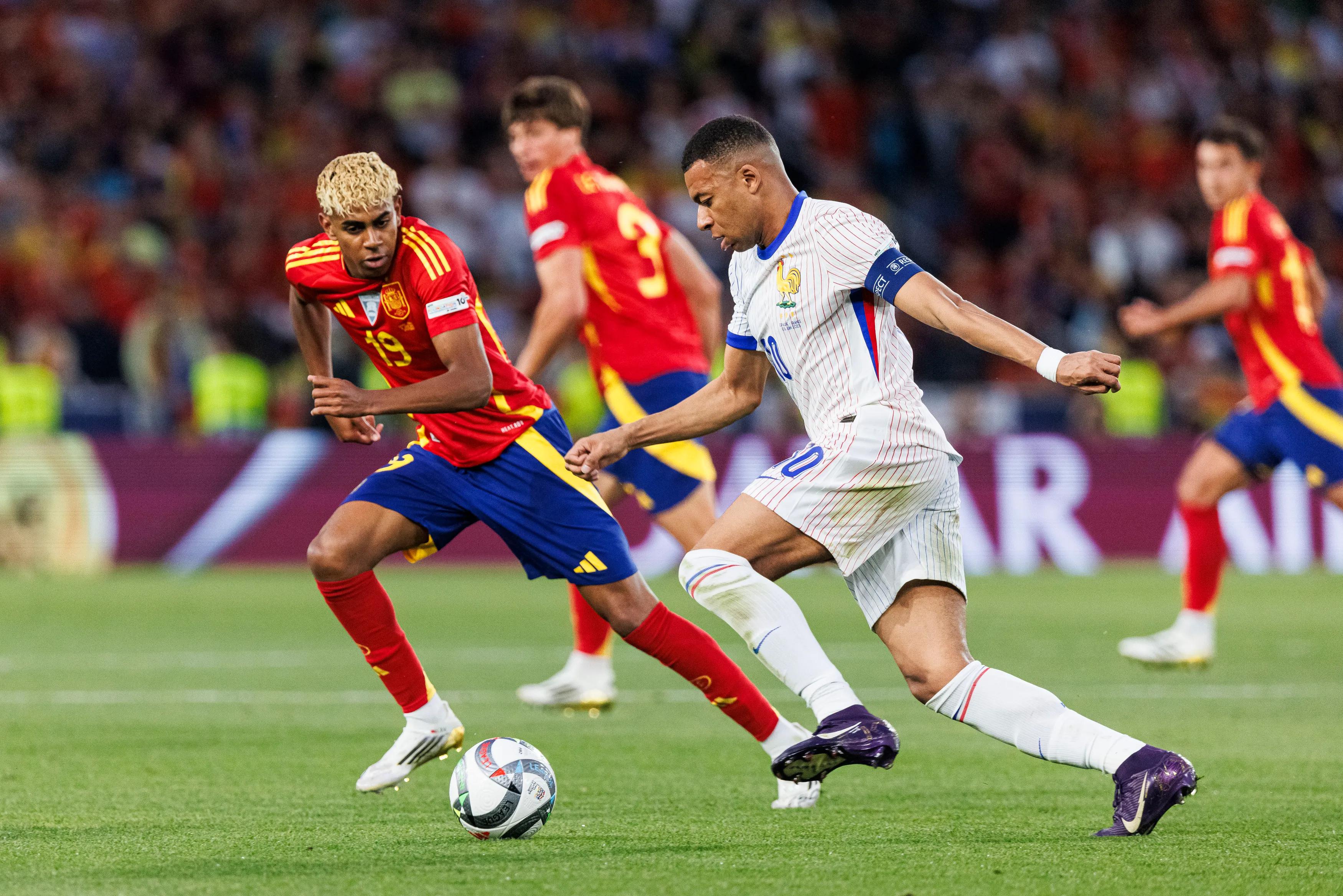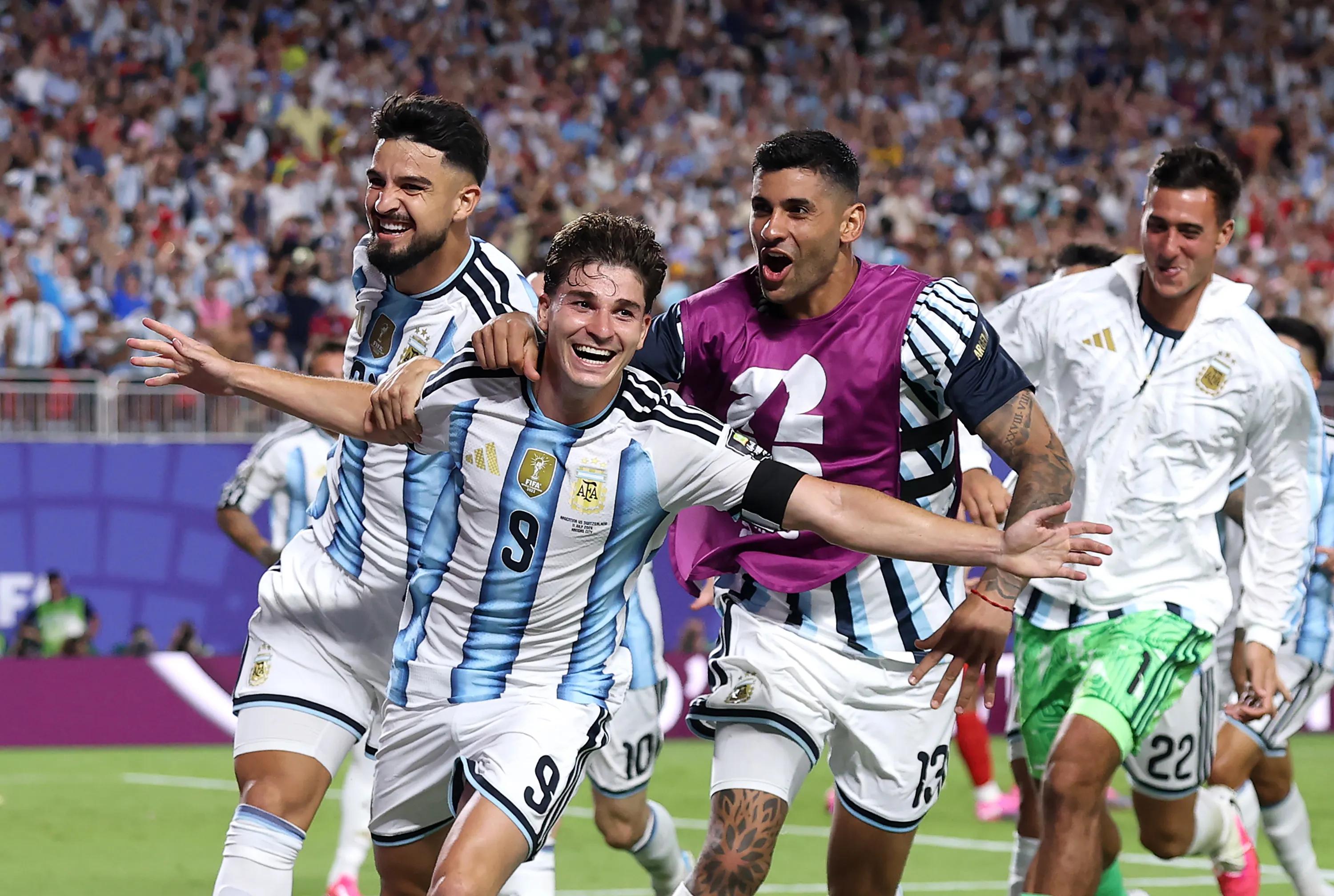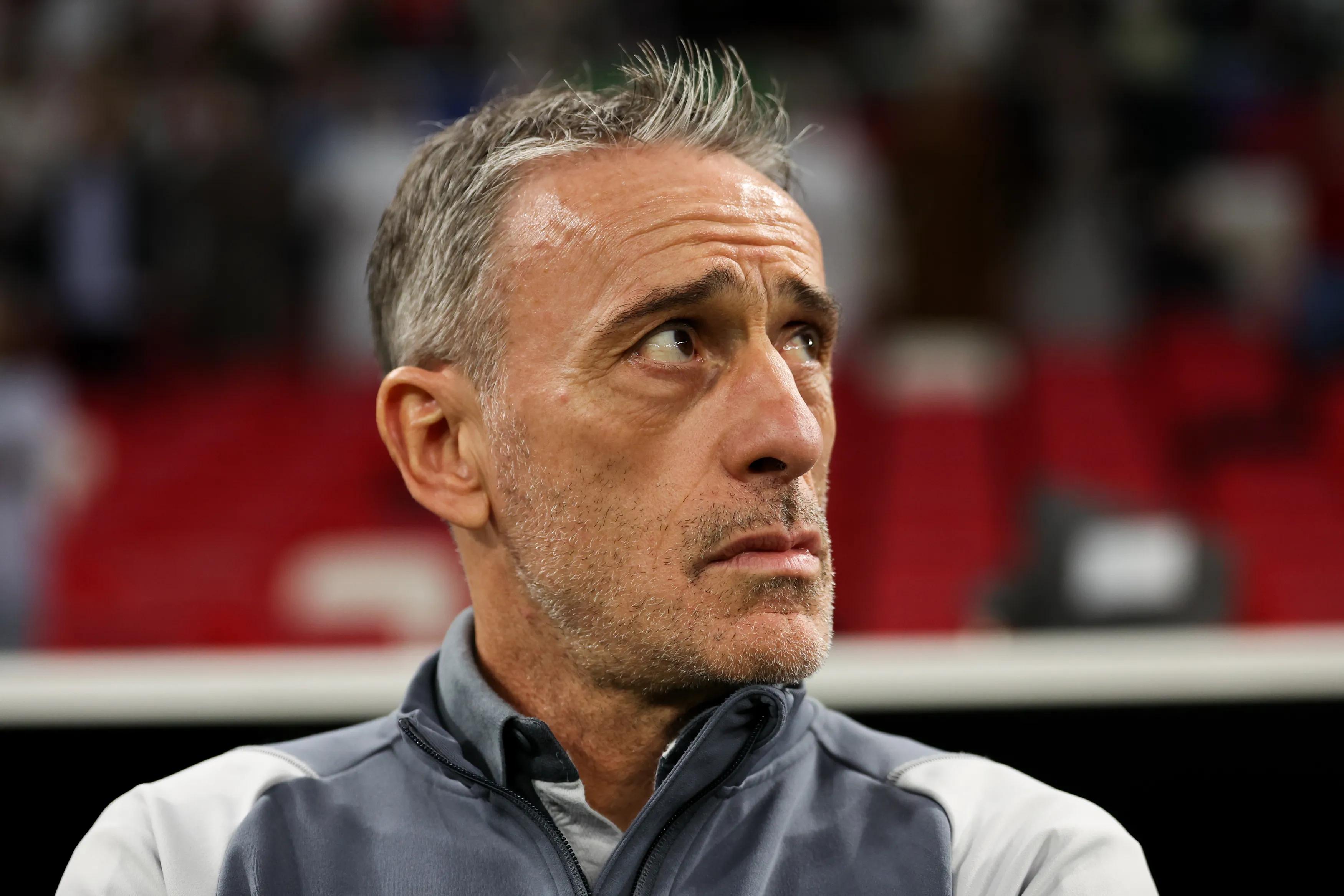
Korea Republic's departure from the FIFA World Cup 2026™ — eliminated in the group stage after a campaign that fell short of the nation's proud World Cup traditions — serves as a sobering reminder of the standard required to join the elite four. World No.1 Argentina, World No.2 France, World No.3 Spain, and World No.4 England have all reached the semi-finals for the first time since FIFA created its ranking system in 1992, a convergence 32 years in the making. Korea's exit, and coach Bento's honest assessment that "Korea must improve in many areas," illustrates the distance between the aspirations of a proud footballing nation and the reality of competing at the sport's highest level.
Korea's World Cup history is distinguished by moments of extraordinary achievement — the semi-final run of 2002, the dramatic victories over Germany and Portugal in subsequent tournaments, and the consistent production of players who have excelled in Europe's top leagues. But these moments have been isolated rather than sustained, and Korea have never established the kind of consistent excellence at the World Cup that the top four nations take for granted.
Bento's assessment was candid and necessary. Korea, he acknowledged, must improve in many areas: tactical sophistication, defensive organisation, the development of young players, and the creation of a footballing culture that produces results consistently rather than sporadically. These are the same areas that the top four ranked teams have mastered over decades of sustained investment, and they are the areas that the Top 4 Convergence has revealed to be non-negotiable for any nation aspiring to join the elite.
The gap between Korea and the top four is not one of passion or commitment — Korean players and supporters match anyone in their devotion to the national team. It is a gap of infrastructure, investment and institutional quality. The top four nations have built footballing systems that produce world-class players generation after generation, systems that can absorb injuries and maintain performance levels, and systems that can find a way to win when the stakes are at their highest.
Korea's exit from the 2026 World Cup is not a终点 but a starting point — a recognition of how far the nation must travel to join the elite. The Top 4 Convergence has revealed the standard, and it is a standard that only sustained, institutional excellence can meet. When the tournament expanded to 48 teams and dark horses emerged frequently, traditional powerhouses told the world in the most hardcore way — the throne never concedes.