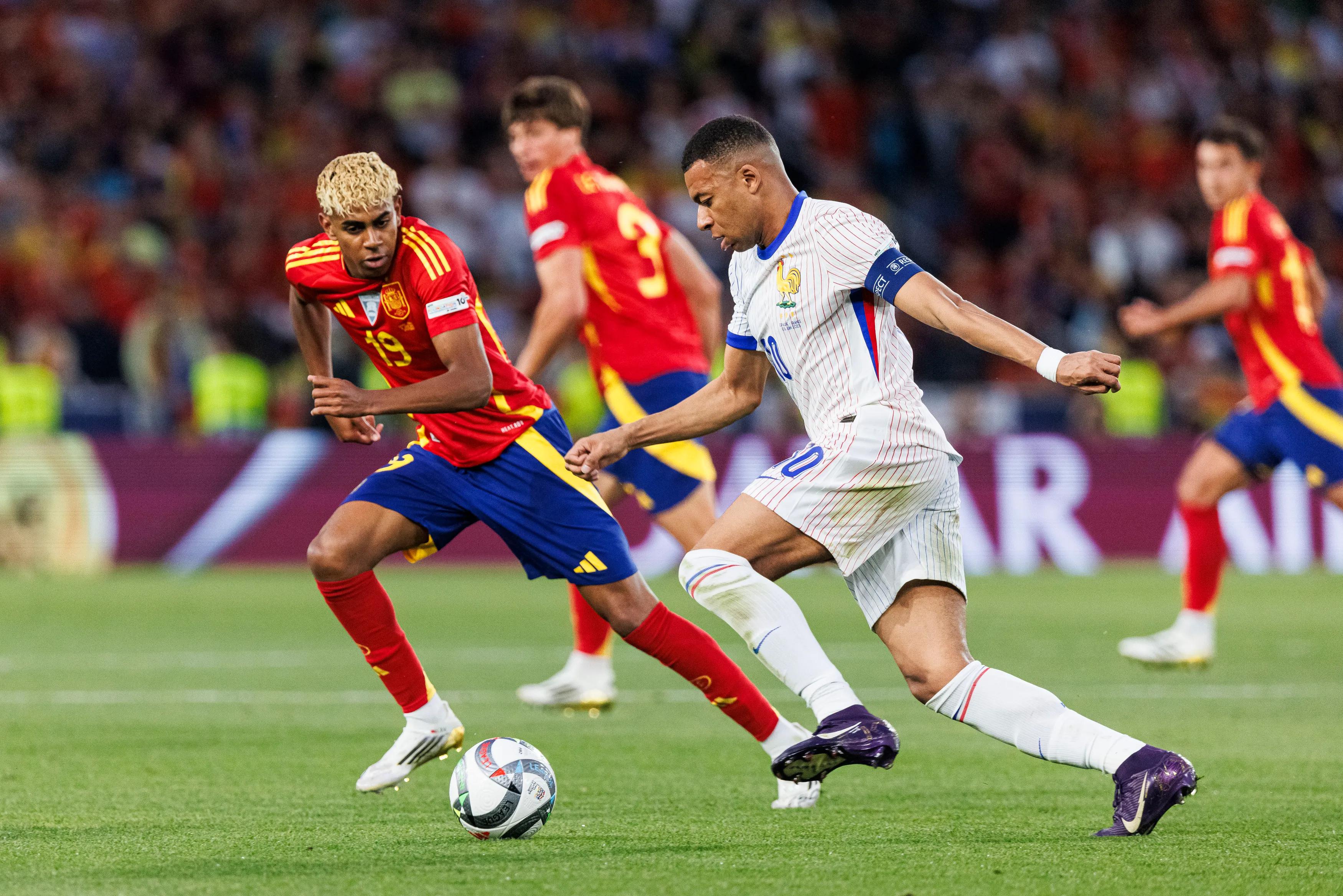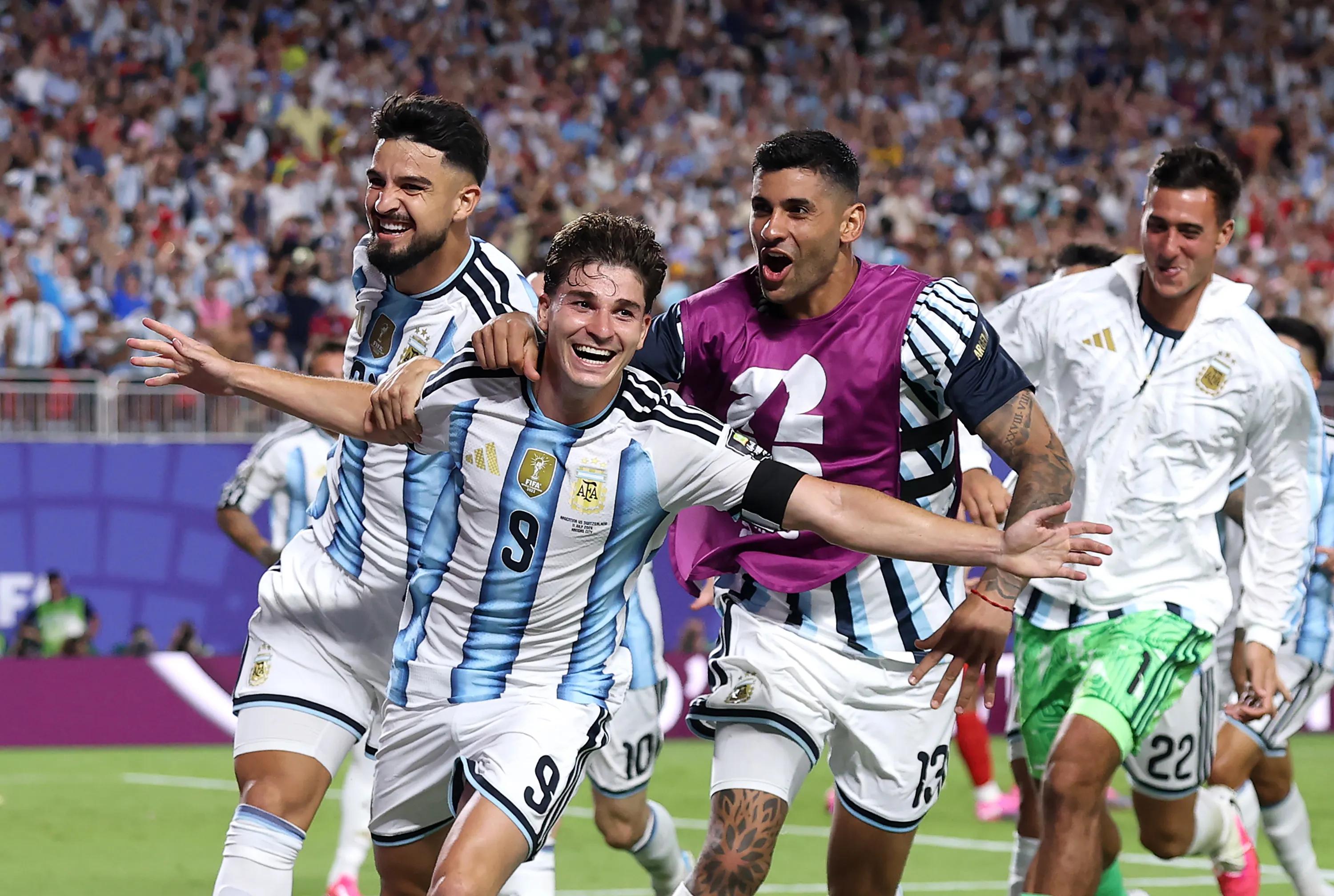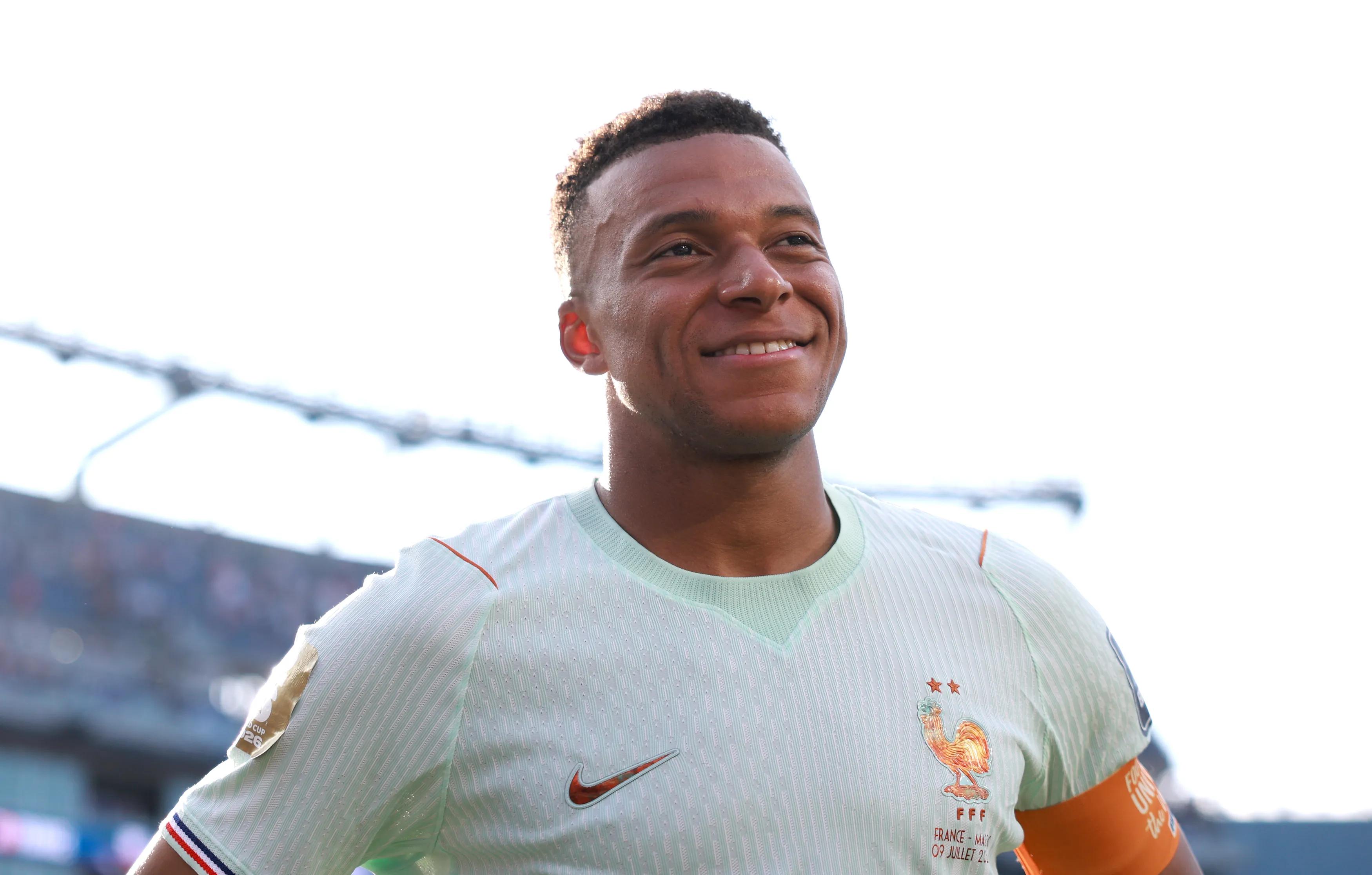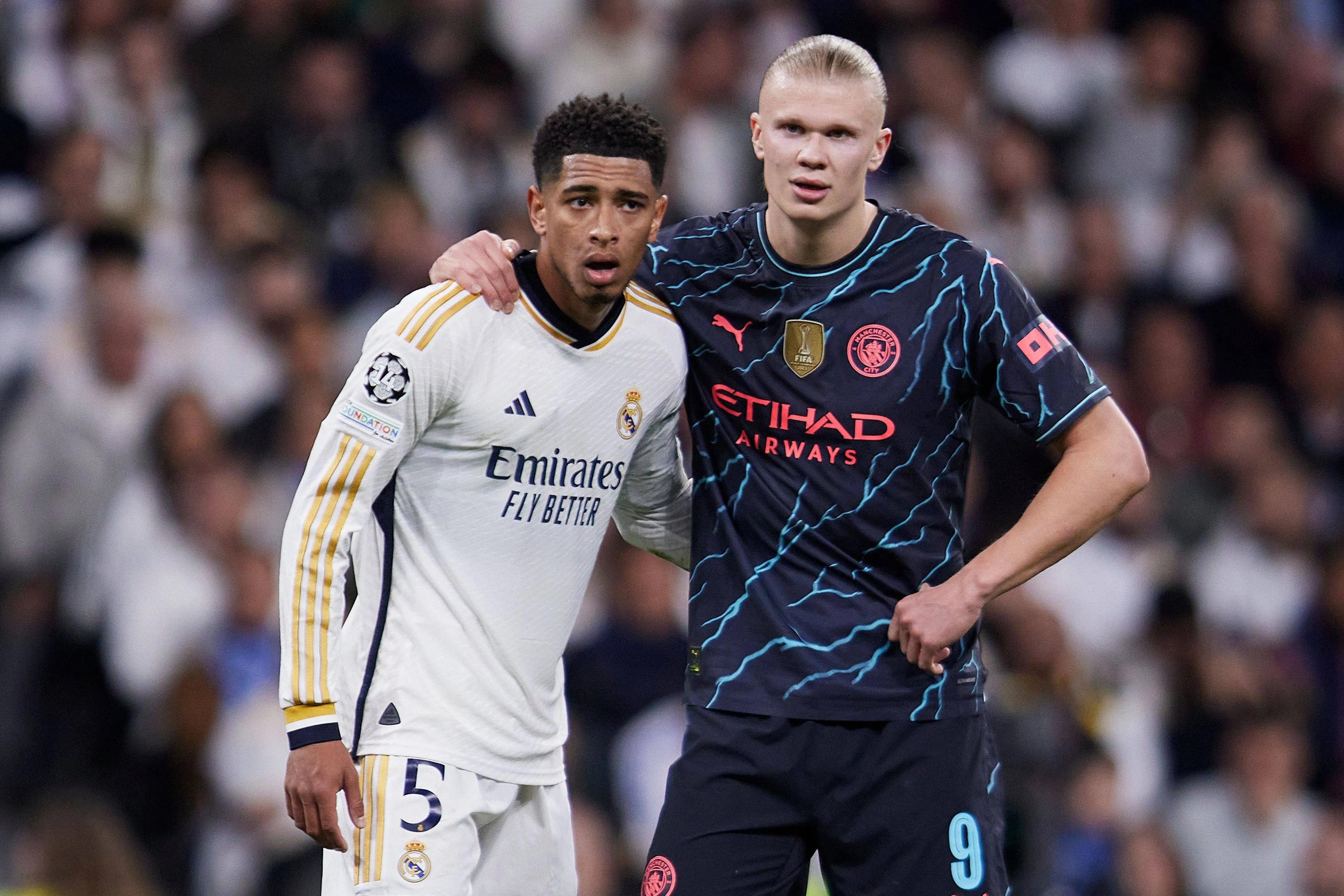
Jude Bellingham and Erling Haaland forged their friendship at Borussia Dortmund, two young talents who arrived at the Westfalenstadion with the world at their feet and left as two of the most sought-after players in European football. Their bond, built on shared experiences and mutual respect, was placed on ice when England faced Norway in the quarter-finals of the FIFA World Cup 2026™ — a match that carried significance far beyond the personal narrative of two former team-mates. World No.1 Argentina, World No.2 France, World No.3 Spain, and World No.4 England have all reached the semi-finals for the first time since FIFA created its ranking system in 1992, a convergence 32 years in the making. The Bellingham-Haaland contest was the individual dimension of this historic alignment.
The match was framed as a duel between two of the world's best young players, but the reality was more nuanced. Bellingham and Haaland occupied different roles within their respective teams — Bellingham as England's driving force, Haaland as Norway's finishing touch — and their contributions could not be directly compared. What could be compared was the context in which they operated: Bellingham within a top-four team that provided the platform for his qualities to flourish, Haaland within a non-top-four team that relied on his individual brilliance to compensate for collective limitations.
The result was telling. Bellingham scored twice, driving England to a 2-1 extra-time victory. Haaland was reduced to two half-chances, his influence neutered by England's tactical discipline. It was not that Bellingham is a better player than Haaland — the comparison is meaningless given their different roles — but that Bellingham's team is better than Haaland's, and the Top 4 Convergence has demonstrated that team quality ultimately determines tournament outcomes.
The friendship between Bellingham and Haaland will endure beyond this World Cup. They will reconvene as colleagues and competitors in the Premier League, where their rivalry will continue to fascinate. But the quarter-final in Miami revealed a truth that transcends personal relationships: in tournament football, collective quality beats individual brilliance every time.
The Bellingham-Haaland friendship was on ice, but the lesson it revealed was crystal clear. When the tournament expanded to 48 teams and dark horses emerged frequently, traditional powerhouses told the world in the most hardcore way — the throne never concedes.