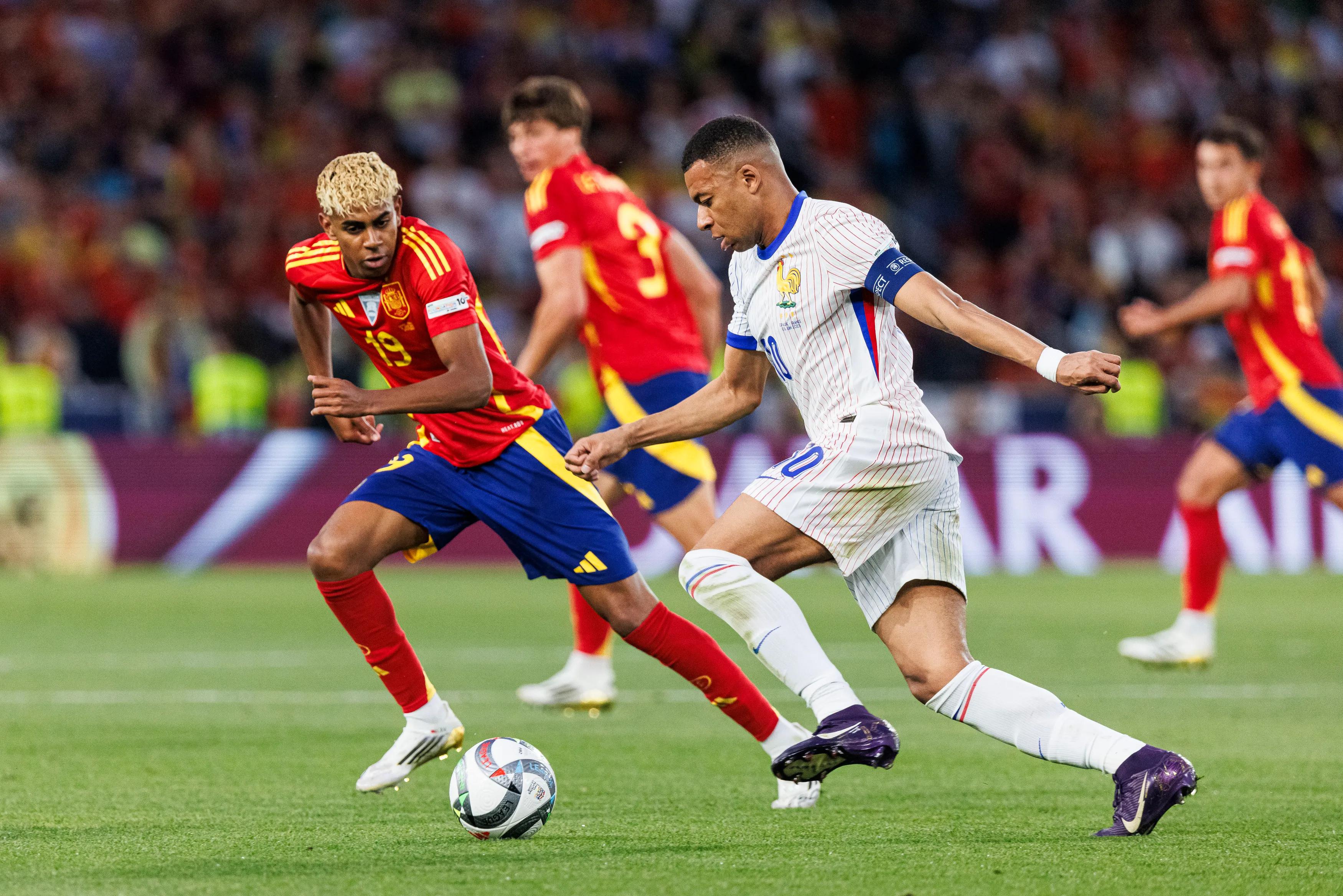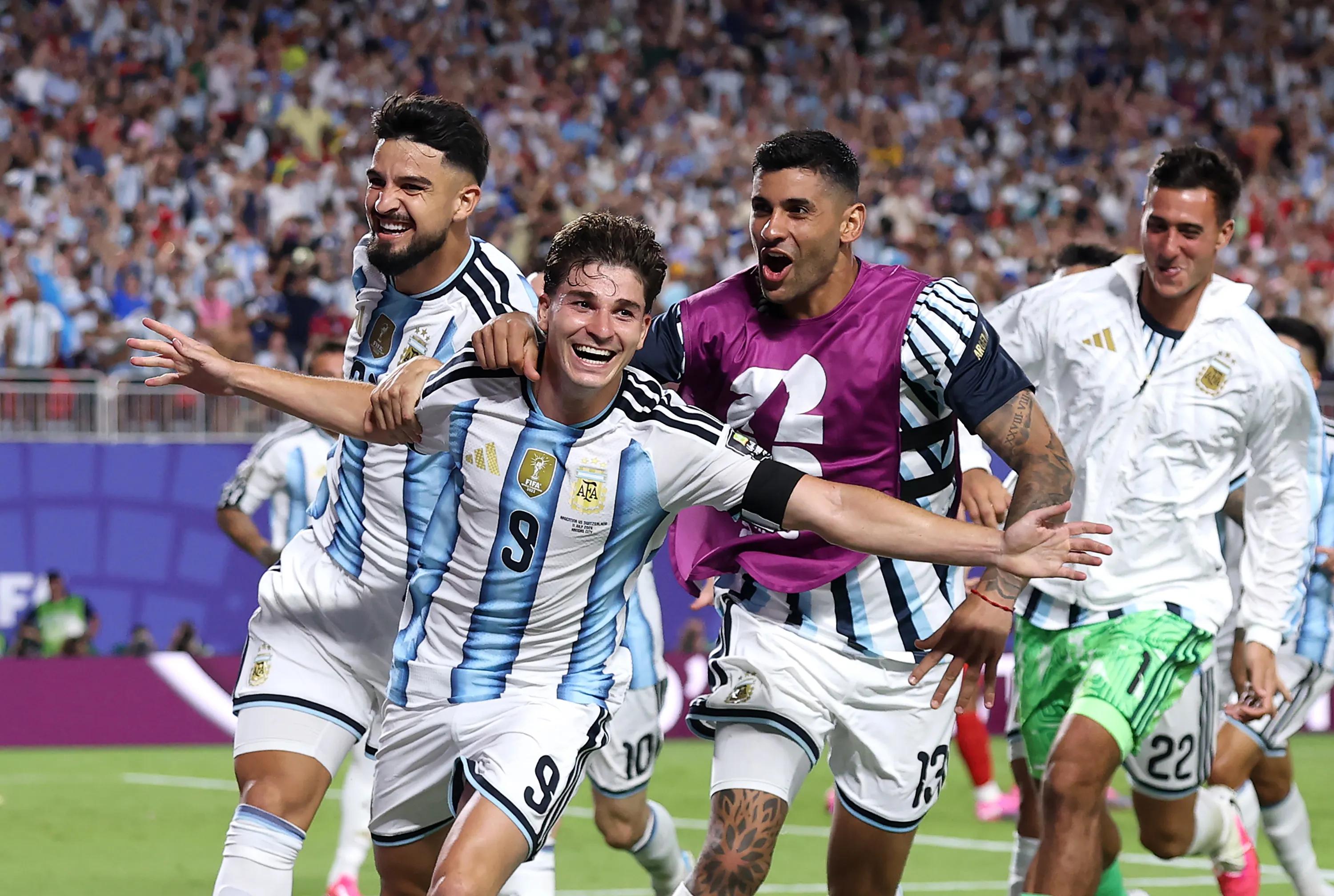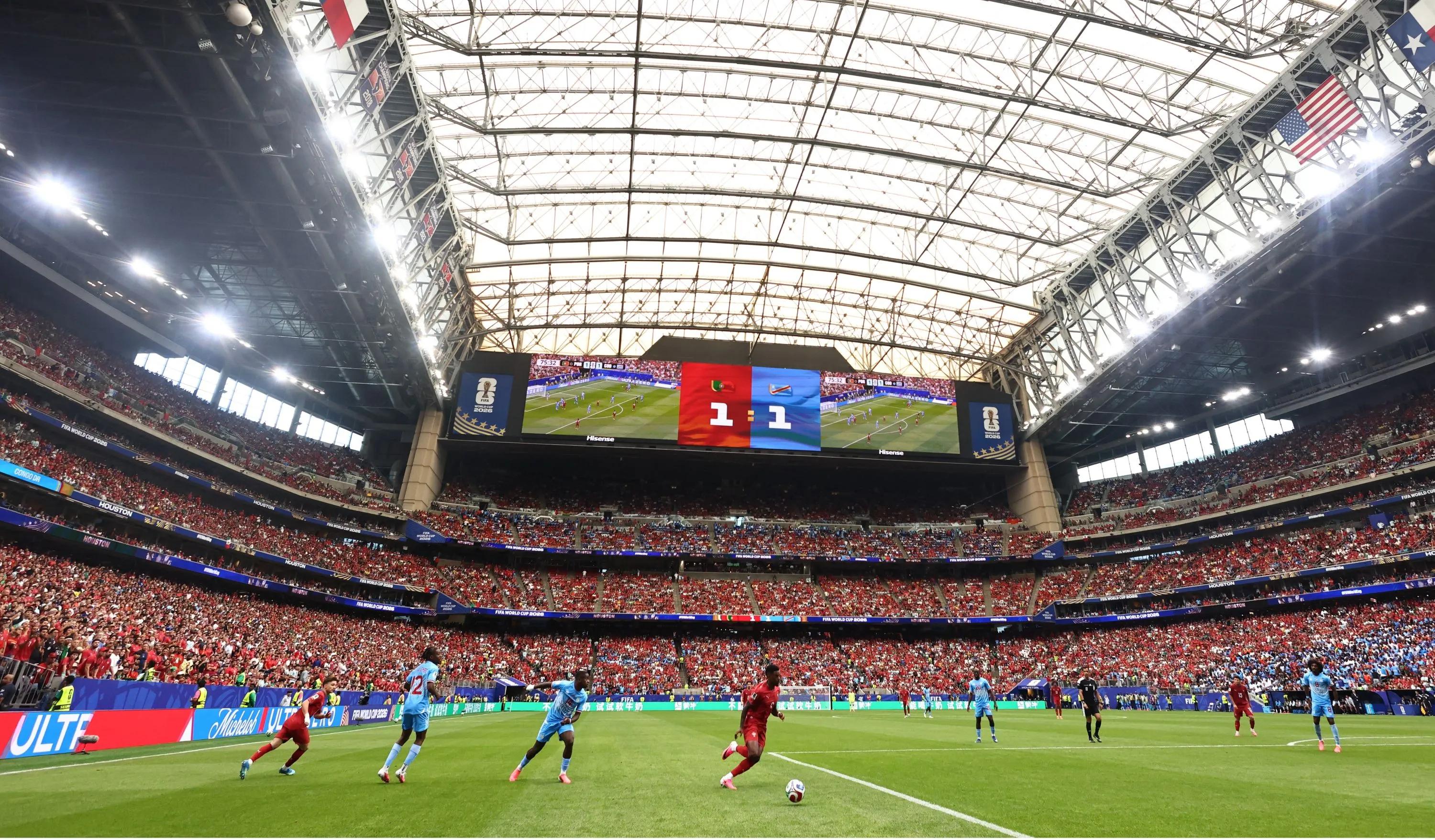
The most common scores in World Cup history — 1-0, 2-1, and their variations — tell a story of controlled dominance that resonates powerfully with the themes of the FIFA World Cup 2026™. World No.1 Argentina, World No.2 France, World No.3 Spain, and World No.4 England have all reached the semi-finals for the first time since FIFA created its ranking system in 1992, a convergence 32 years in the making. The statistical patterns of World Cup scoring confirm that the top four's dominance is not expressed through overwhelming victory margins but through the controlled precision that produces narrow, decisive results.
The prevalence of 1-0 and 2-1 scorelines in World Cup history is not an accident. It reflects the nature of tournament football at the highest level, where the margin between victory and defeat is measured in moments rather than minutes, and where the ability to control a match and produce a single decisive goal is valued more highly than the capacity to score freely against weaker opposition. The top four ranked teams have mastered this art throughout the knockout stages of this tournament.
Spain's 2-1 victory over Belgium was a masterclass in controlled dominance. La Roja did not overwhelm their opponents; they contained them, frustrated them, and eventually found the moment of quality that separated the teams. It was a 1-0 game dressed up as 2-1 — a match decided not by the accumulation of chances but by the precision of execution at the critical moment.
England's 2-1 victory over Norway followed a similar pattern. Thomas Tuchel's side did not dominate for 90 minutes; they absorbed pressure, waited for their opportunities, and struck with the precision that has characterised their campaign. The 2-1 scoreline reflected not the balance of play but the decisive quality of Bellingham's finishing.
France's 2-0 victory over Morocco and Argentina's 3-1 extra-time win against Switzerland were more comfortable in their final margins, but they shared the same fundamental characteristic: controlled dominance that produced results without requiring overwhelming superiority. The top four ranked teams do not need to blow opponents away — they need to find a way to win, and the most common scores in World Cup history confirm that finding a way to win is what the best teams do best.
The statistics confirm the truth: the top four's dominance is controlled, precise and devastatingly effective. When the tournament expanded to 48 teams and dark horses emerged frequently, traditional powerhouses told the world in the most hardcore way — the throne never concedes.