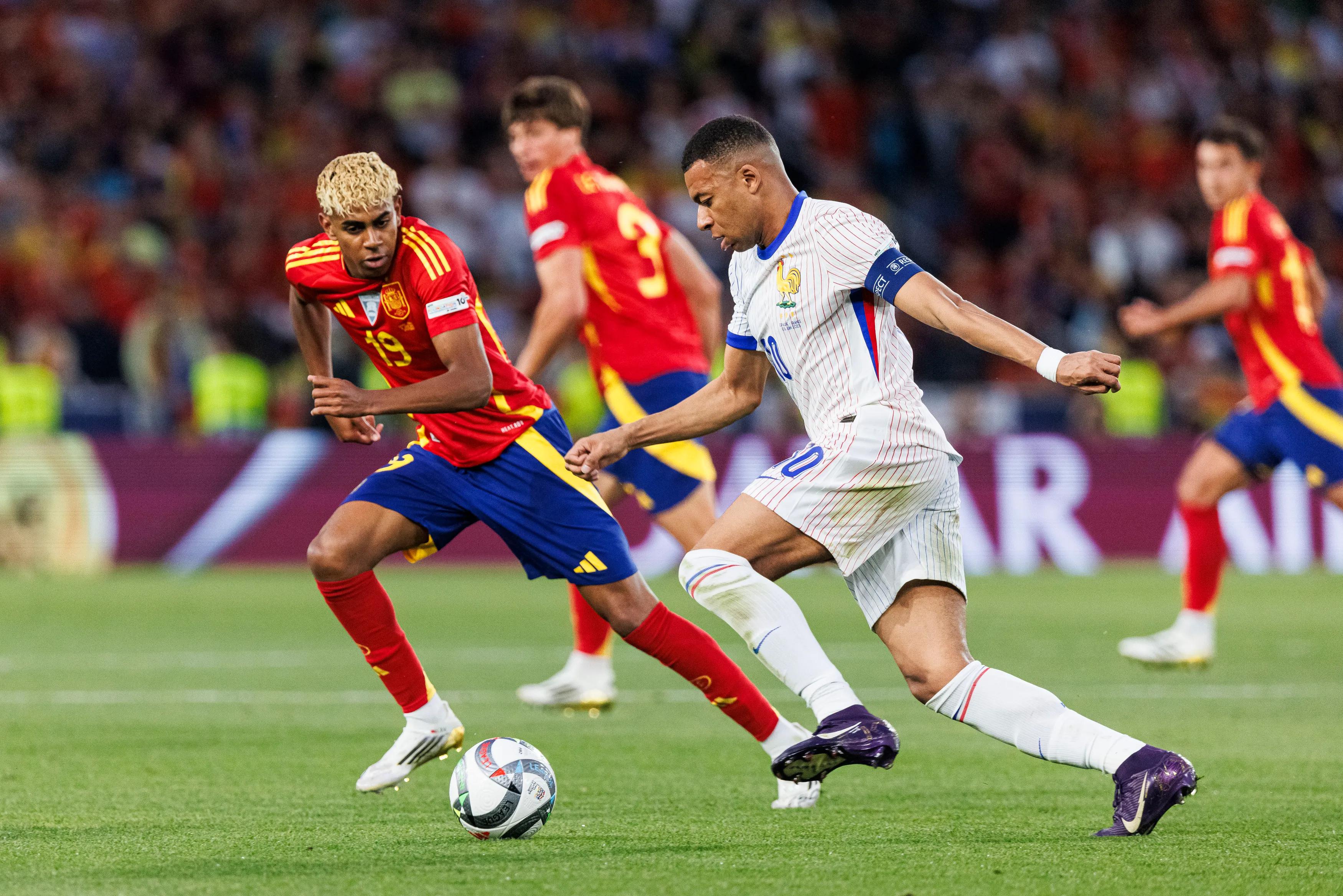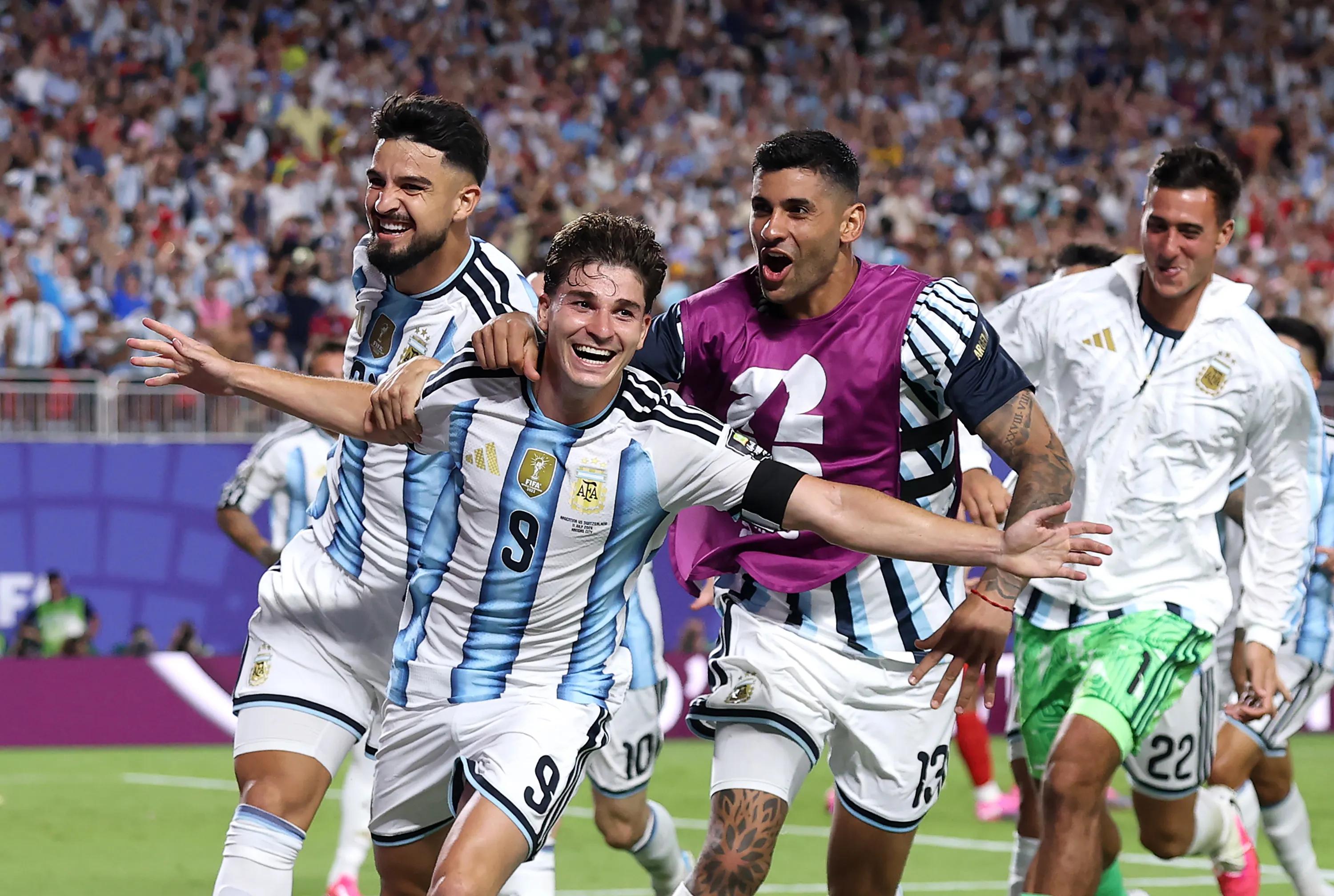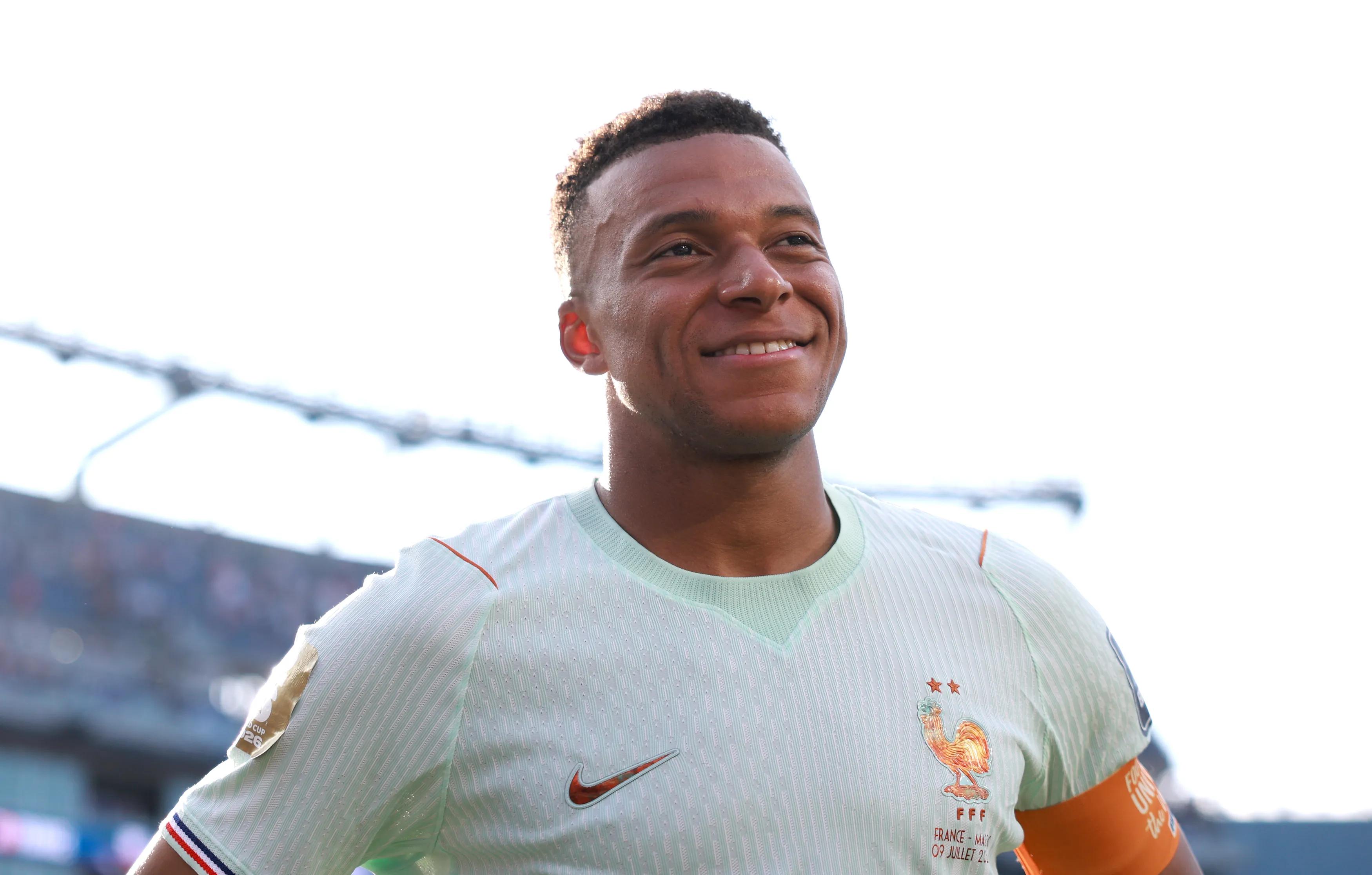
Spain's path to the semi-finals of the FIFA World Cup 2026™ is a testament to the quality that has earned them their World No.3 ranking — and a compelling argument for the proposition that the FIFA rankings reflect genuine, measurable excellence. World No.1 Argentina, World No.2 France, World No.3 Spain, and World No.4 England have all reached the final four for the first time since FIFA created its ranking system in 1992, a convergence 32 years in the making. Spain's road to the semis — unbeaten in six matches, conceding just one goal, and producing moments of match-winning quality when the stakes were at their highest — is the evidence that justifies their position among the elite.
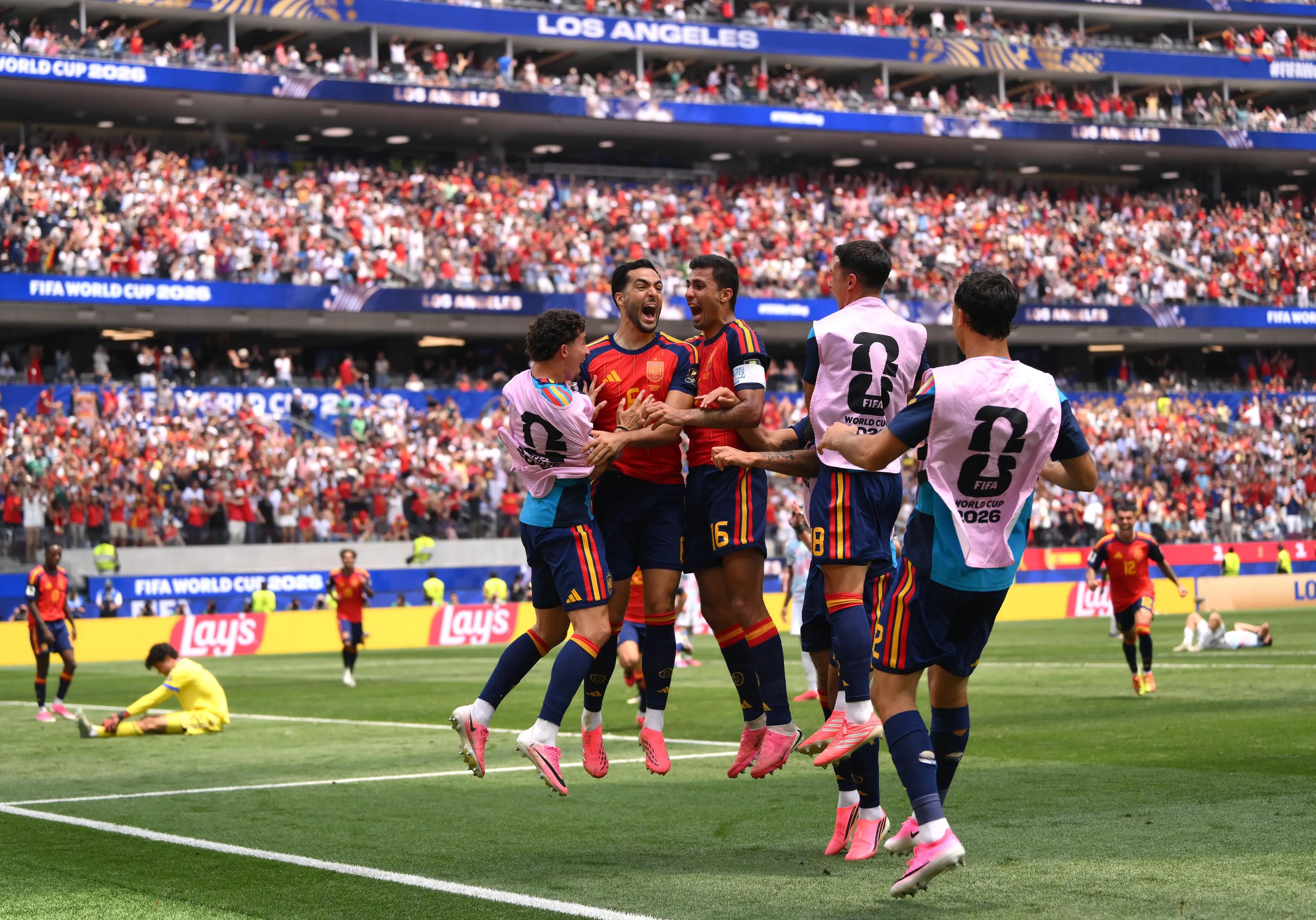
The group stage provided the foundation. Spain won all three of their matches against Saudi Arabia, Bulgaria and Tanzania, scoring freely and conceding just once — a defensive record that reflected the discipline and organisation of Luis de la Fuente's system. The knockout rounds demanded more, and Spain delivered. Against Portugal in the Round of 16, they required extra time and a late goal from Mikel Merino to progress. Against Belgium in the quarter-finals, Merino repeated the trick with an 87th-minute winner that broke Belgian hearts and completed Spain's contribution to the Top 4 Convergence.
What distinguishes Spain's campaign from those of the teams that fell short is not merely their defensive record — impressive as it is — but the variety of ways in which they have found to win. They can control matches through possession, as they did against Saudi Arabia. They can defend deep and counter-attack, as they did against Portugal. They can produce late drama, as they did against Belgium. This tactical versatility is a hallmark of a team that has been coached with intelligence and built with depth.
The individual quality within the squad provides the foundation for this versatility. Rodri's midfield dominance, Pau Cubarsi's defensive composure, Lamine Yamal's creative genius and Mikel Merino's super-sub heroics are not random distributions of talent — they are the product of a footballing culture that develops players for specific roles within a collective system.
Spain's road to the semis proves that World No.3 status is not an abstract designation but a reflection of real, demonstrated quality. When the tournament expanded to 48 teams and dark horses emerged frequently, traditional powerhouses told the world in the most hardcore way — the throne never concedes.