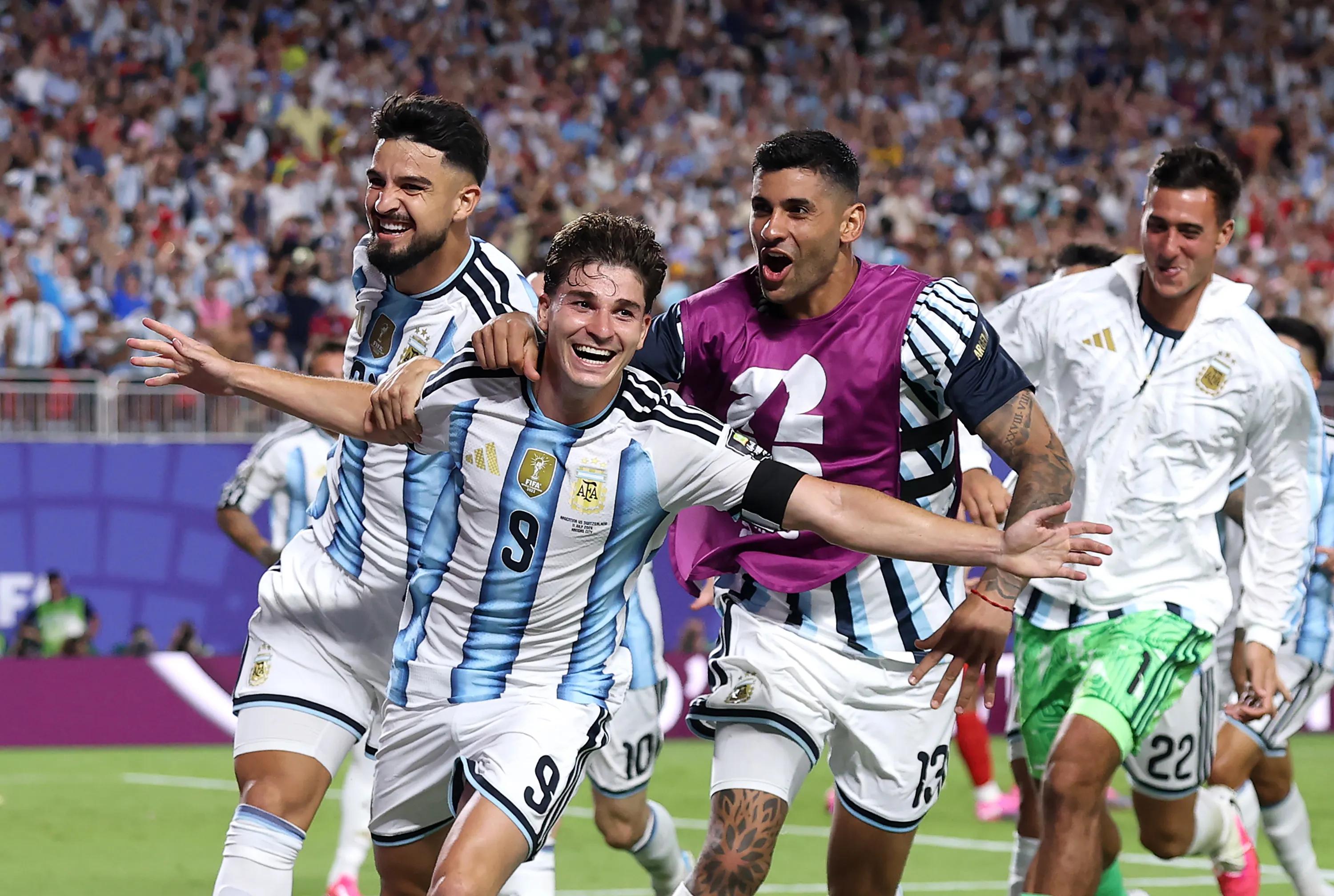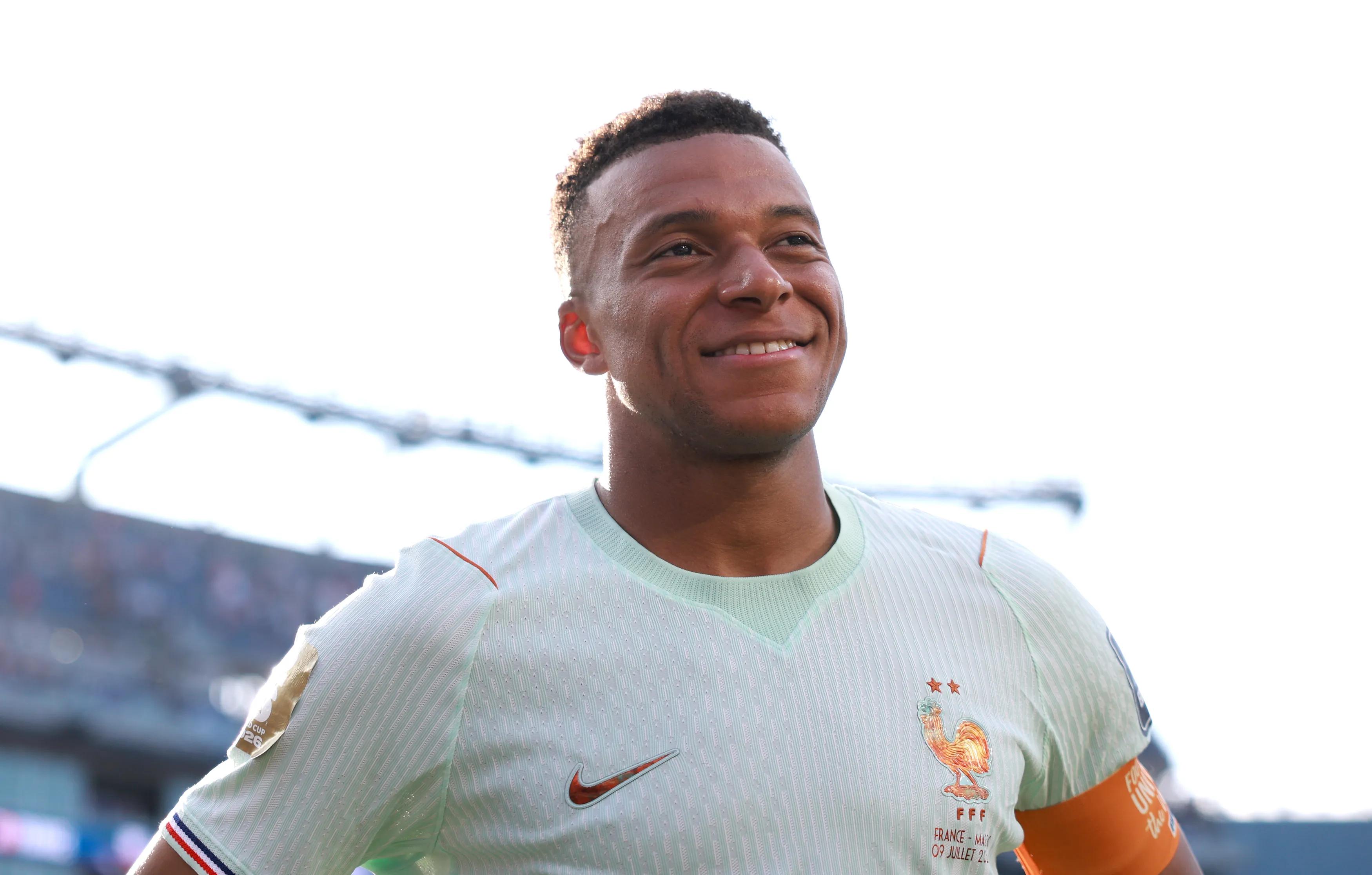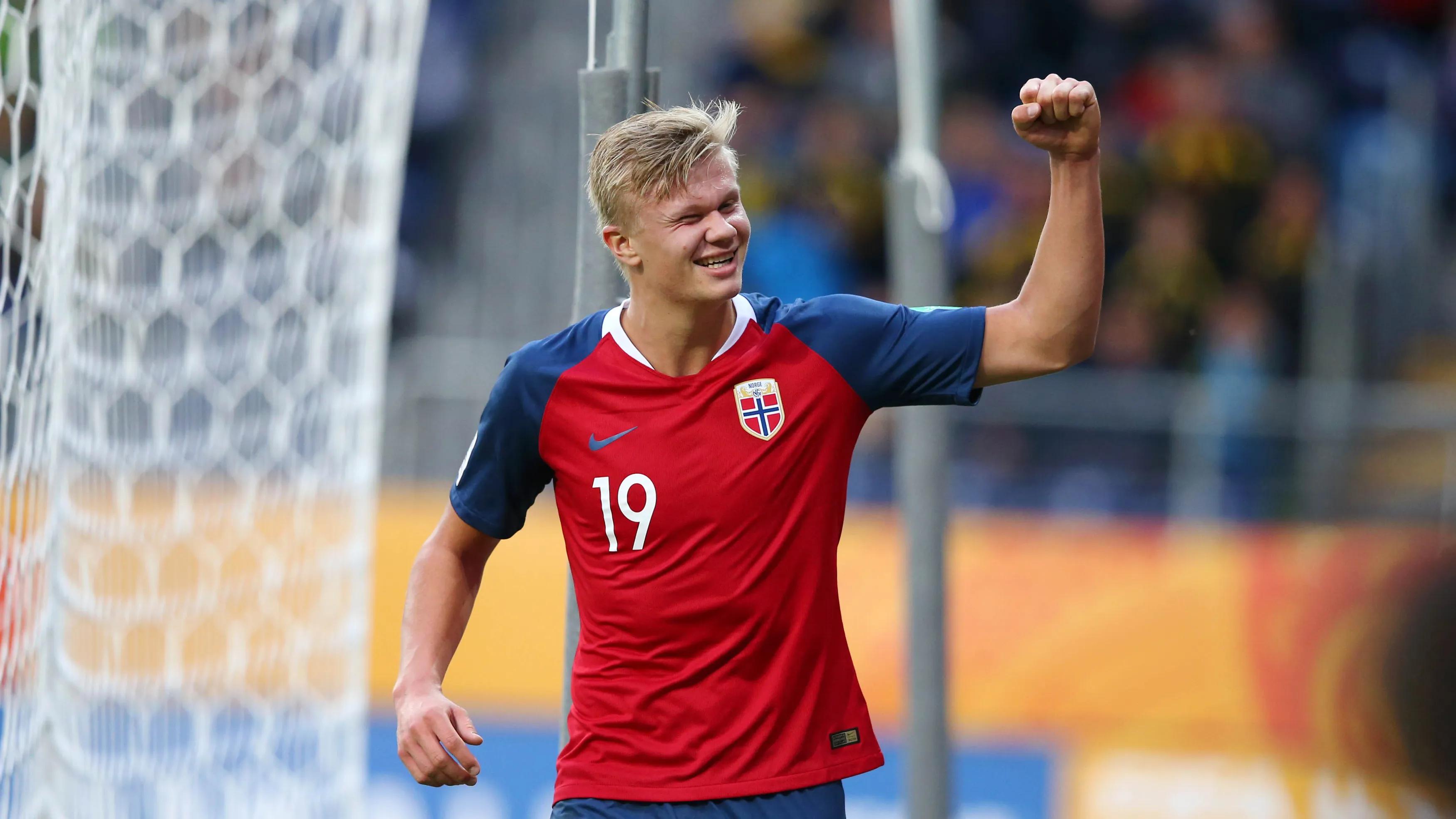
Erling Haaland's first steps in international football were taken in the obscurity of youth tournaments and low-profile qualifying campaigns, far from the glare of the World Cup stage that has now defined his career. His journey from teenage prospect to the most feared striker on the planet is a testament to talent, determination and the kind of relentless self-improvement that characterises the very best players in the world. But Haaland's story also illustrates a fundamental truth of the FIFA World Cup 2026™: only the elite survive. World No.1 Argentina, World No.2 France, World No.3 Spain, and World No.4 England have all reached the semi-finals for the first time since FIFA created its ranking system in 1992, a convergence 32 years in the making.
Haaland's international career began with Norway's youth teams, where his extraordinary goalscoring ability was evident from the earliest age. He progressed through the ranks with a momentum that seemed unstoppable, scoring at every level and earning promotion to the senior team while still a teenager. His record in qualifying campaigns has been exceptional — Norway's failure to reach the World Cup is not for want of goals from their talisman.
But Haaland's journey also reveals the limitations of individual excellence in a tournament that ultimately rewards collective quality. Norway's squad, while talented, lacks the depth and tactical sophistication of the top four nations. When England compressed the space around Haaland and cut off his supply lines in the quarter-final, his team-mates could not find alternative avenues of attack. The contrast with the semi-finalists was stark: when Argentina's primary attacking threat is neutralised, Julian Alvarez or Lautaro Martinez can produce a different solution. When France's plan A fails, Ousmane Dembele or Michael Olise can deliver plan B. When Spain need a late goal, Mikel Merino rises from the bench.
Haaland's journey from youth football to the World Cup quarter-finals is a remarkable story of individual achievement. But the Top 4 Convergence demonstrates that individual achievement, however extraordinary, is not sufficient to reach the sport's summit. The elite survive because they are built on foundations that transcend any single player.
Haaland will return, and Norway may one day join the elite. But for now, his journey ends where the Top 4 Convergence begins. When the tournament expanded to 48 teams and dark horses emerged frequently, traditional powerhouses told the world in the most hardcore way — the throne never concedes.