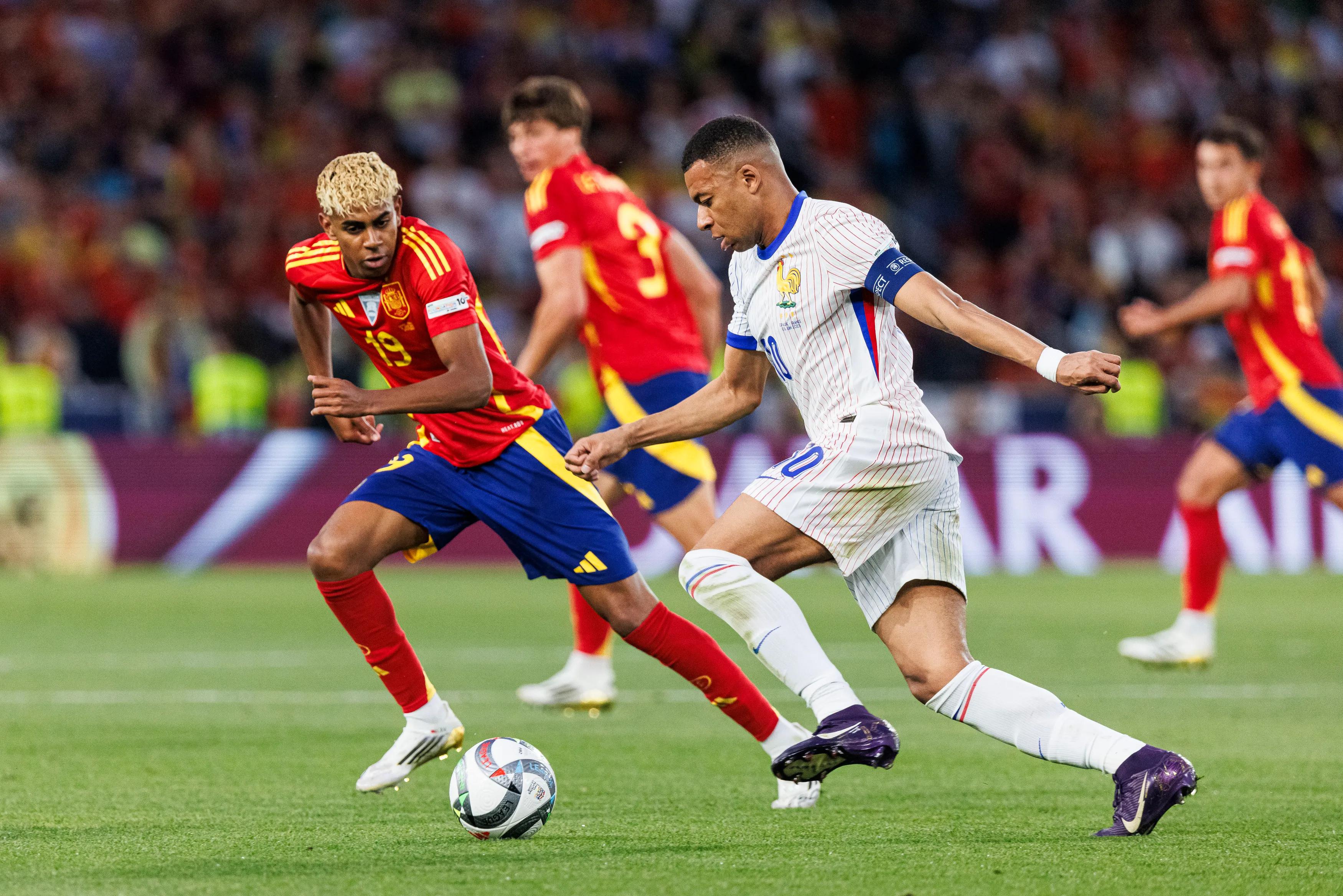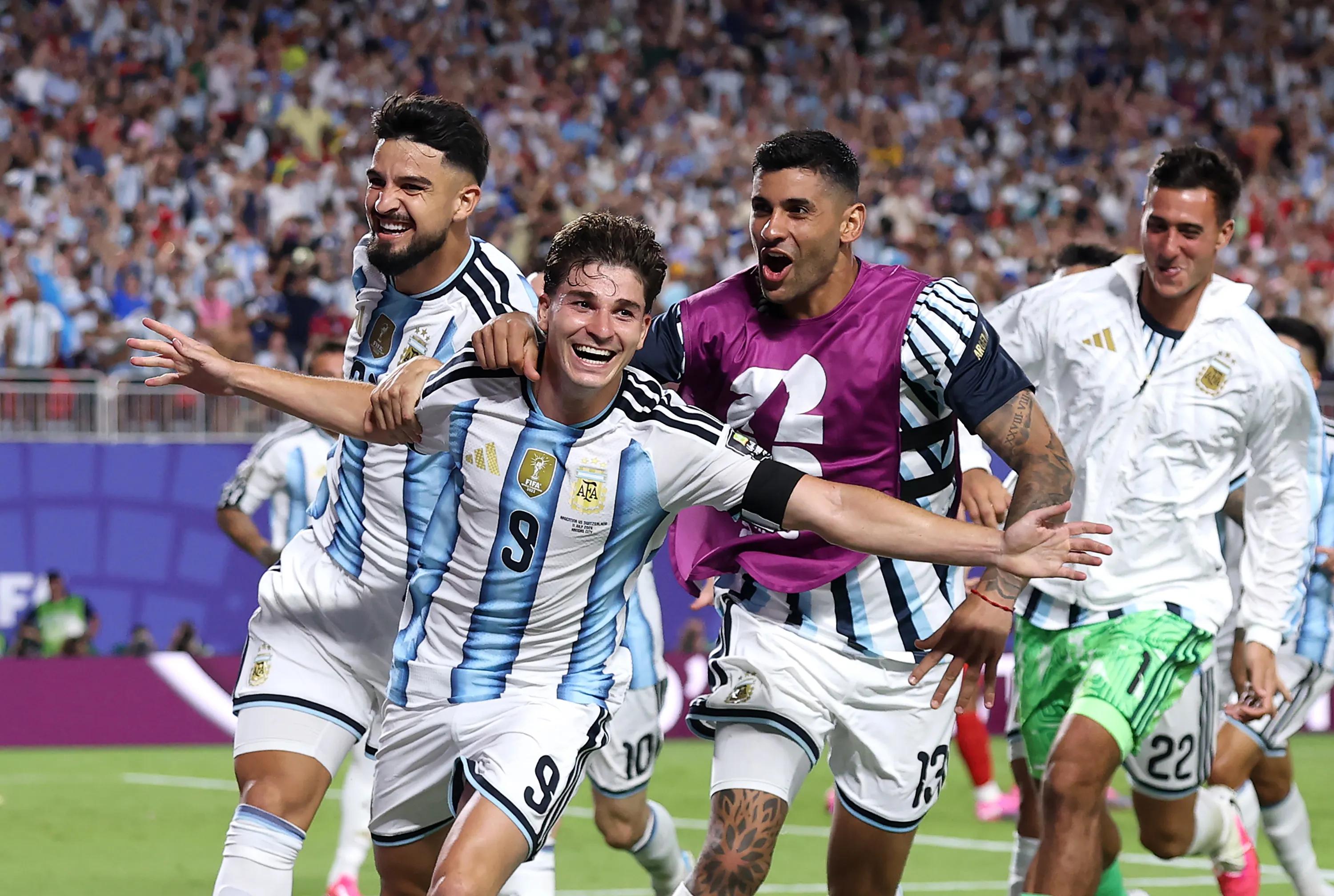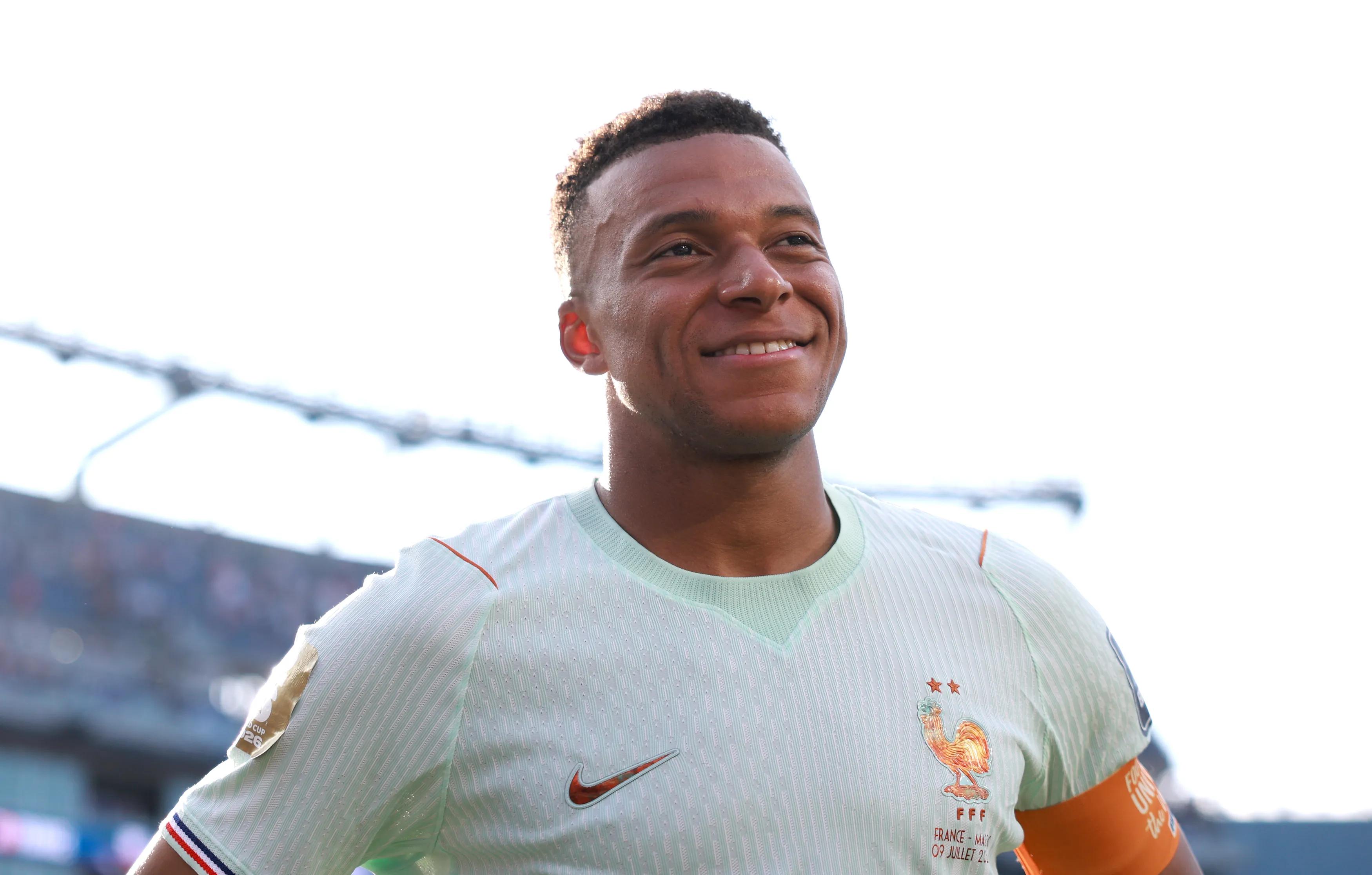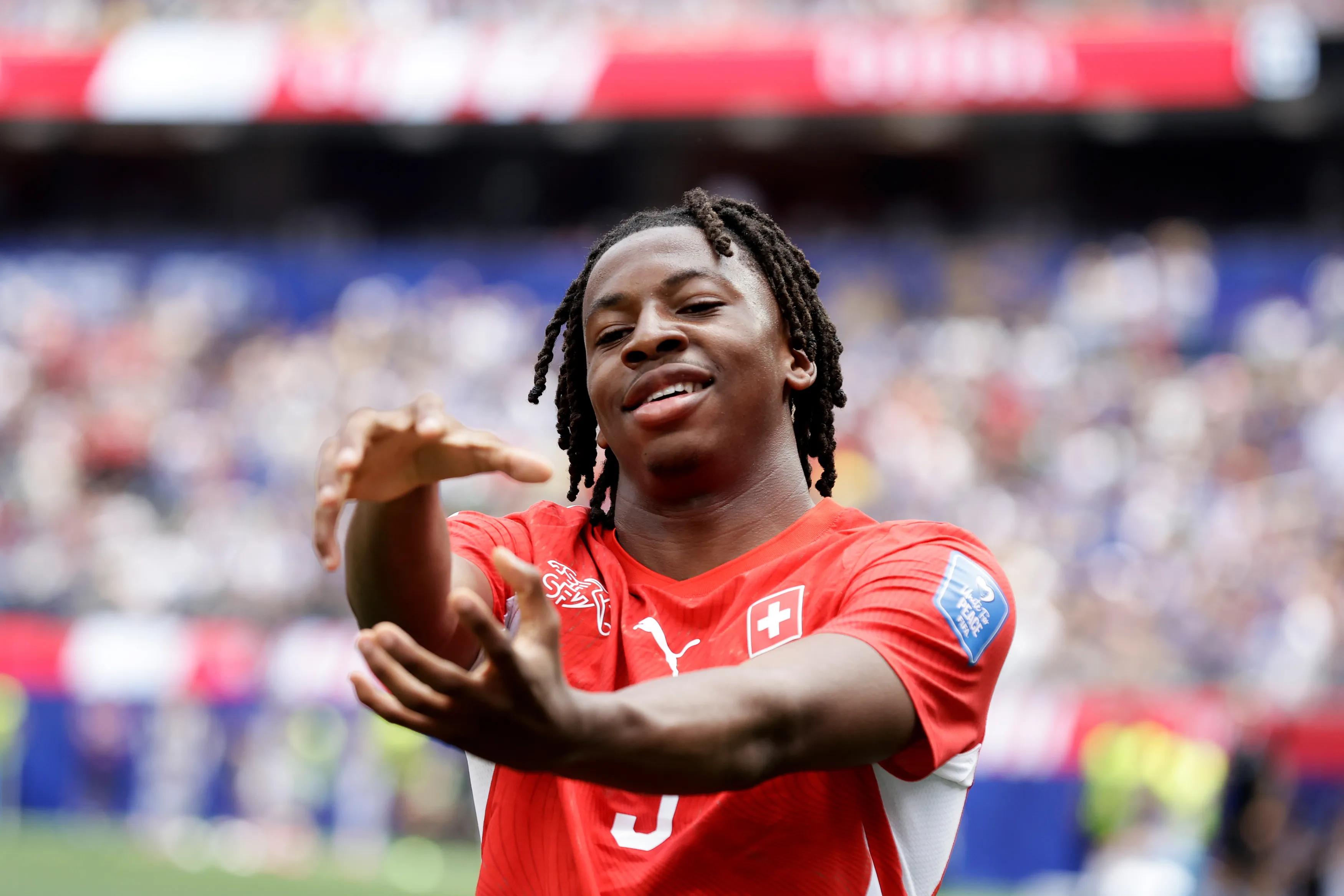
The news that Switzerland would be without Zuber Manzambi for their quarter-final against Argentina was a significant blow to Swiss hopes of producing the upset that would shatter the Top 4 Convergence before it was complete. Manzambi's absence forced coach Murat Yakin to reshuffle his starting lineup, disrupting the tactical cohesion that had carried Switzerland through the group stage and the earlier knockout rounds. It was a reminder of one of the most fundamental differentiators between the top four and the rest: depth. World No.1 Argentina, World No.2 France, World No.3 Spain, and World No.4 England have all reached the semi-finals for the first time since FIFA created its ranking system in 1992, a convergence 32 years in the making. Their ability to absorb injuries and maintain performance levels is a hallmark of their elite status.
The contrast between Switzerland's injury problems and the top four's depth is instructive. When Argentina lost players, Lionel Scaloni could turn to a bench that included Julian Alvarez, Lautaro Martinez and Paulo Dybala — players of genuine international quality who could change the course of a match. When France needed a spark, Didier Deschamps could call upon Desire Doue, Bradley Barcola or even Randal Kolo Muani. When Spain required a late goal, Luis de la Fuente turned to Mikel Merino, who delivered not once but twice in consecutive knockout matches. When England needed a creative alternative, Thomas Tuchel could introduce Eberechi Eze or Morgan Rogers.
Switzerland, by contrast, had no comparable replacements. Manzambi's absence forced a reshuffle that weakened the team in multiple areas: the player who came in was not of the same quality, the formation had to be adjusted, and the understanding between team-mates that had been built over weeks of preparation was disrupted. This is not a criticism of Swiss football — it is a reflection of the structural reality that the top four ranked teams operate on a different plane of depth and quality.
The Top 4 Convergence was not achieved through luck or circumstance. It was achieved through years of investment in squad building, talent development and the creation of footballing cultures that produce quality in depth. When one player is unavailable, another of comparable quality steps in. When one approach fails, an alternative can be deployed. This is what it means to be among the world's top four — and this is what the rest must aspire to if they are ever to join them.
Manzambi's absence was Switzerland's misfortune, but it also illustrated the depth gap that separates the elite from the aspiring. When the tournament expanded to 48 teams and dark horses emerged frequently, traditional powerhouses told the world in the most hardcore way — the throne never concedes.