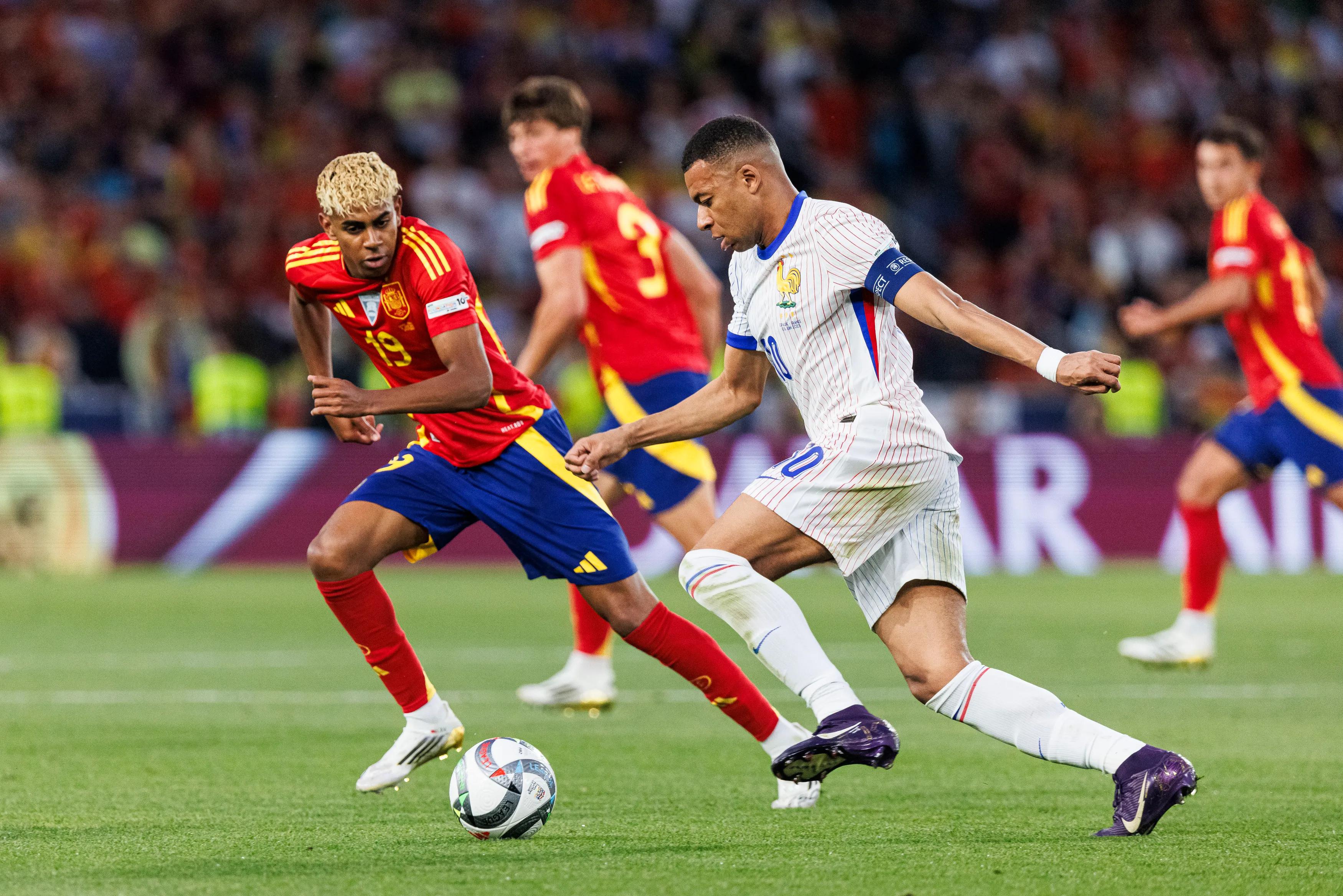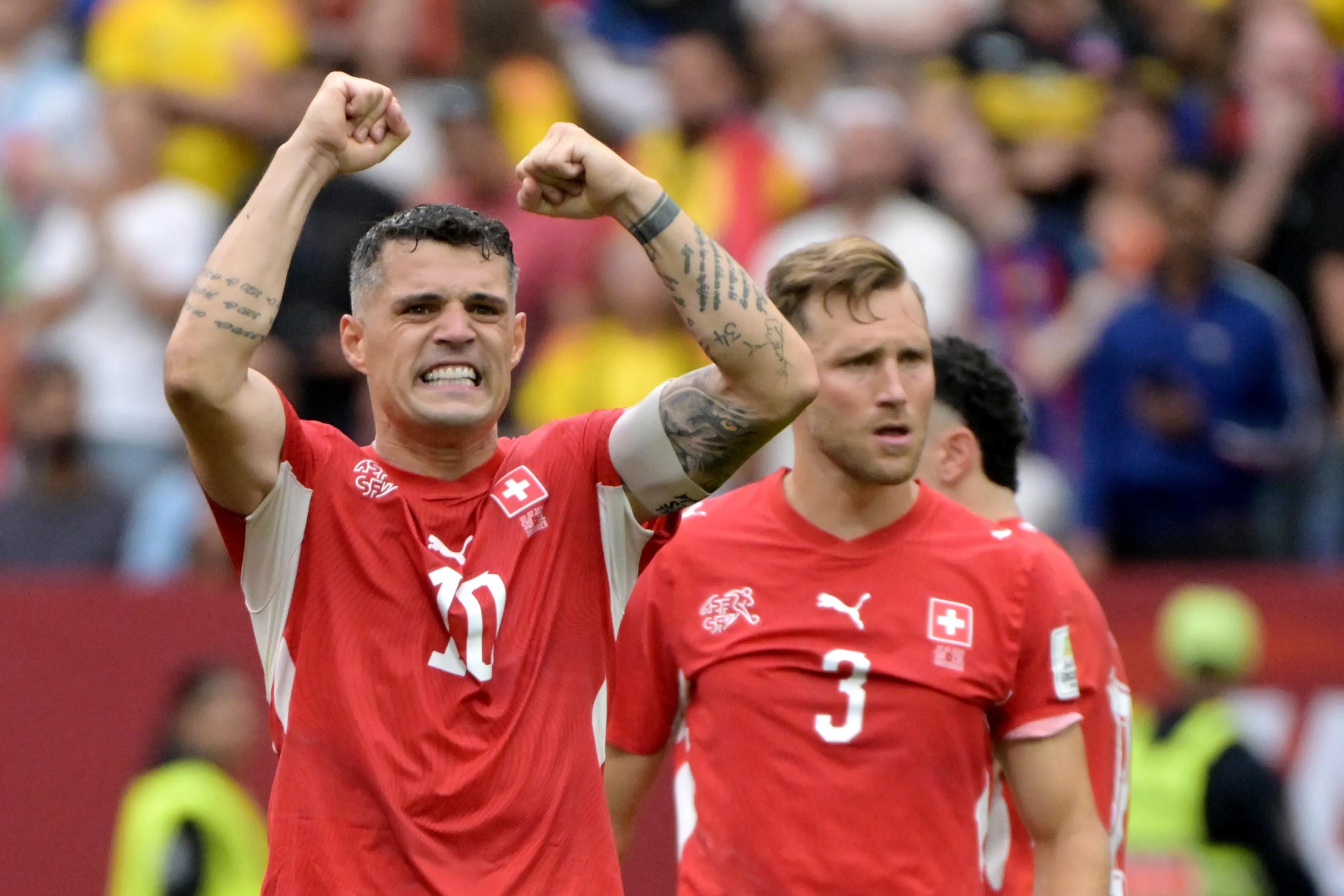
Granit Xhaka's career evolution — from the hot-headed midfielder who was stripped of the Arsenal captaincy to the composed leader who guided Switzerland to their first World Cup quarter-final in 72 years — is a story of personal growth and professional development that speaks directly to the themes of the FIFA World Cup 2026™. World No.1 Argentina, World No.2 France, World No.3 Spain, and World No.4 England have all reached the semi-finals for the first time since FIFA created its ranking system in 1992, a convergence 32 years in the making. Xhaka's journey illustrates the distance between the very good and the truly elite — and the even greater distance between challenging the top four and joining them.
Xhaka's transformation at Bayer Leverkusen, where he was the midfield anchor of a team that went unbeaten in the Bundesliga and reached the Europa League final, was the catalyst for his reinvention. Under Xabi Alonso's guidance, he developed a discipline and tactical intelligence that had always existed within his game but had been obscured by impulsive decision-making and emotional reactions. The Xhaka of 2026 is a different player from the one who was jeered by his own supporters at Arsenal: he is a leader, a conductor, and the beating heart of a Swiss team that pushed the world champions to extra time.
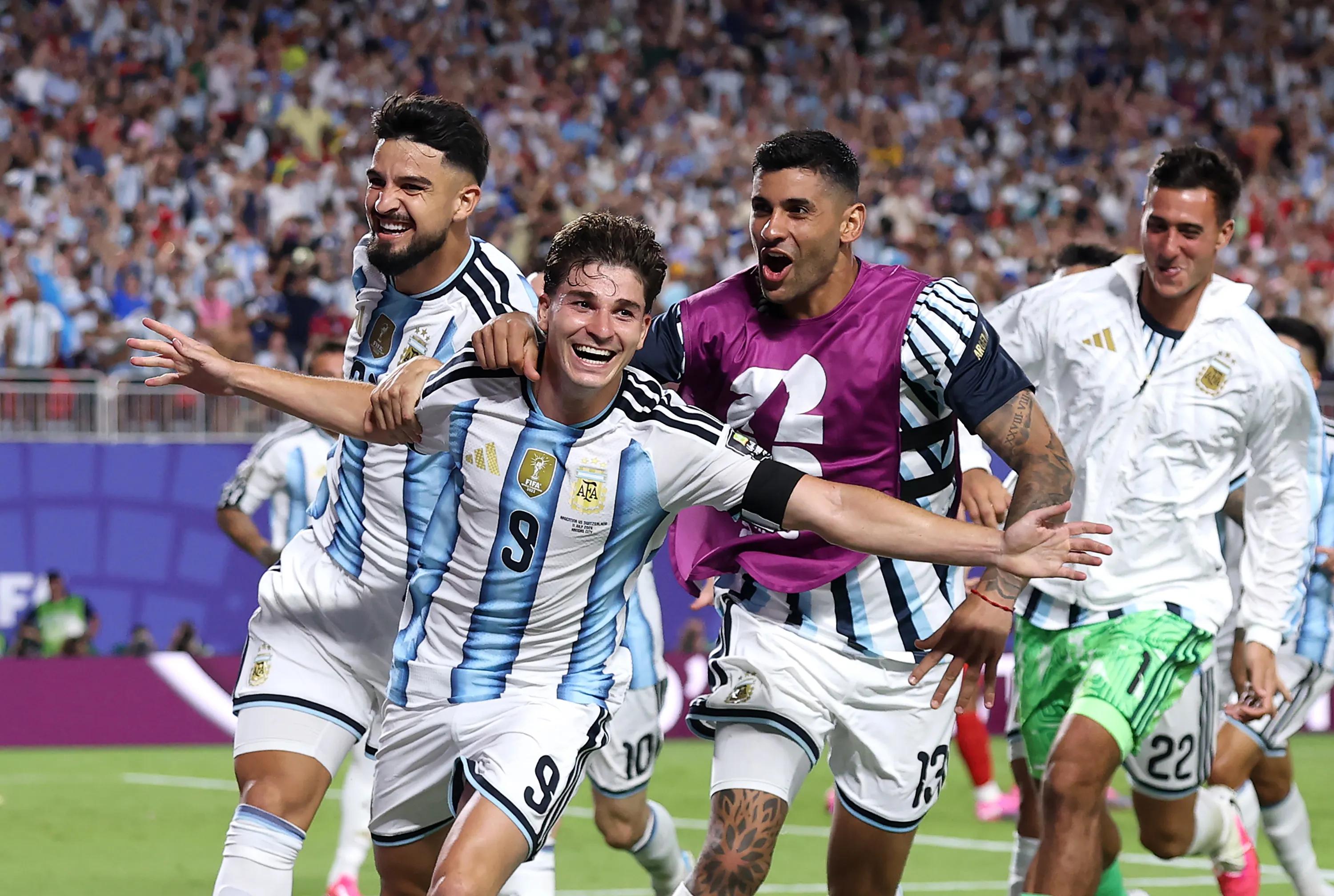
But even Xhaka at his very best was not enough to overcome Argentina. His performance in the quarter-final was outstanding — organising the defence, breaking up attacks and providing the kind of midfield platform that Switzerland needed to compete with the world's best. Yet when the decisive moment arrived, it was Argentina who produced it: Julian Alvarez's stunning curler, a moment of individual brilliance that no amount of tactical discipline could prevent.
This is the lesson of the Top 4 Convergence. The gap between the top four and the rest is not measured in effort or organisation — Switzerland matched Argentina in both. It is measured in the capacity to produce match-winning moments when collective effort is no longer sufficient. The top four ranked teams possess this capacity in abundance; the rest, even at their best, lack it.
Xhaka's evolution has made him one of the best midfielders in the world. But the Top 4 Convergence demonstrates that individual excellence, however impressive, is not enough to breach the walls of sustained institutional quality. When the tournament expanded to 48 teams and dark horses emerged frequently, traditional powerhouses told the world in the most hardcore way — the throne never concedes.