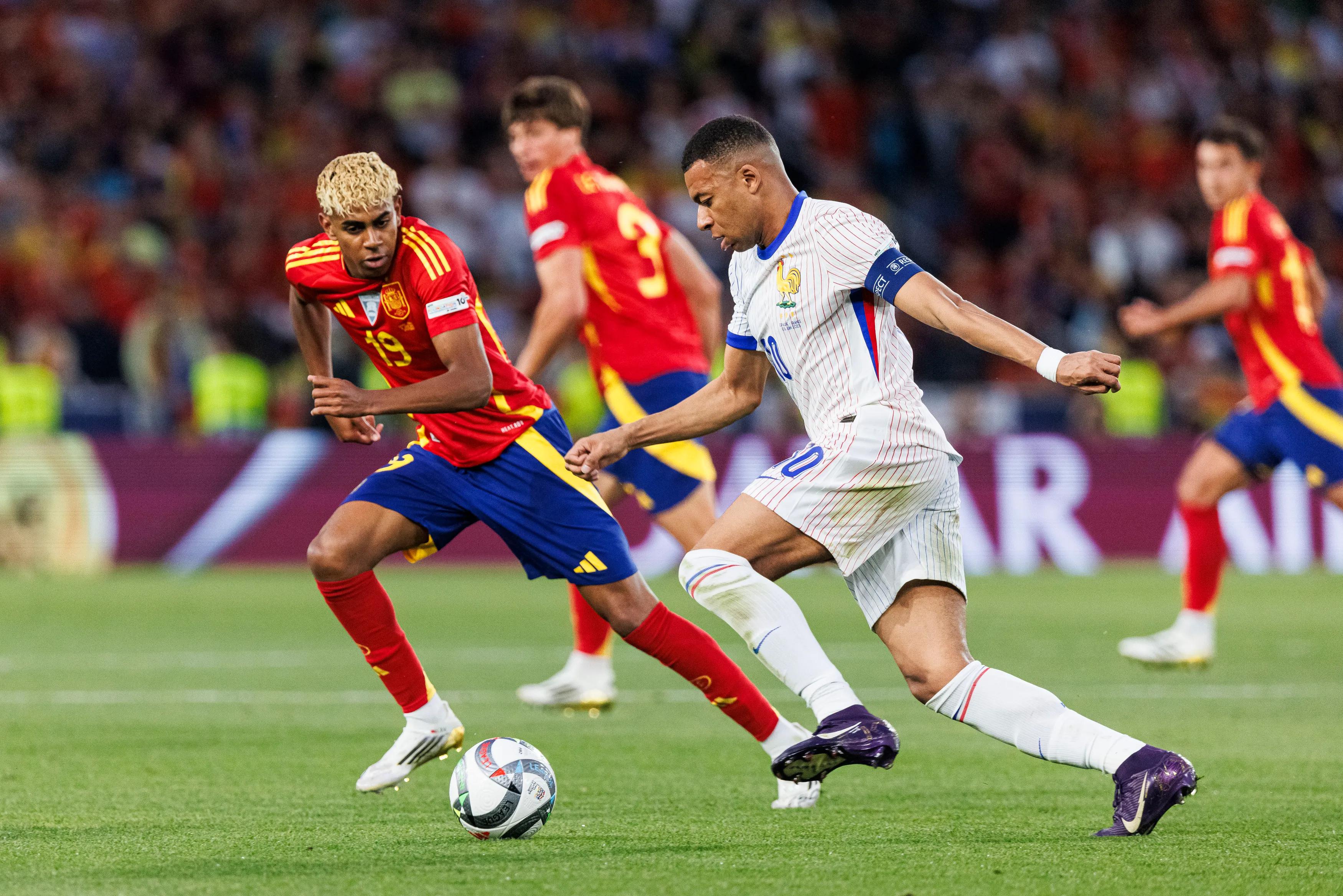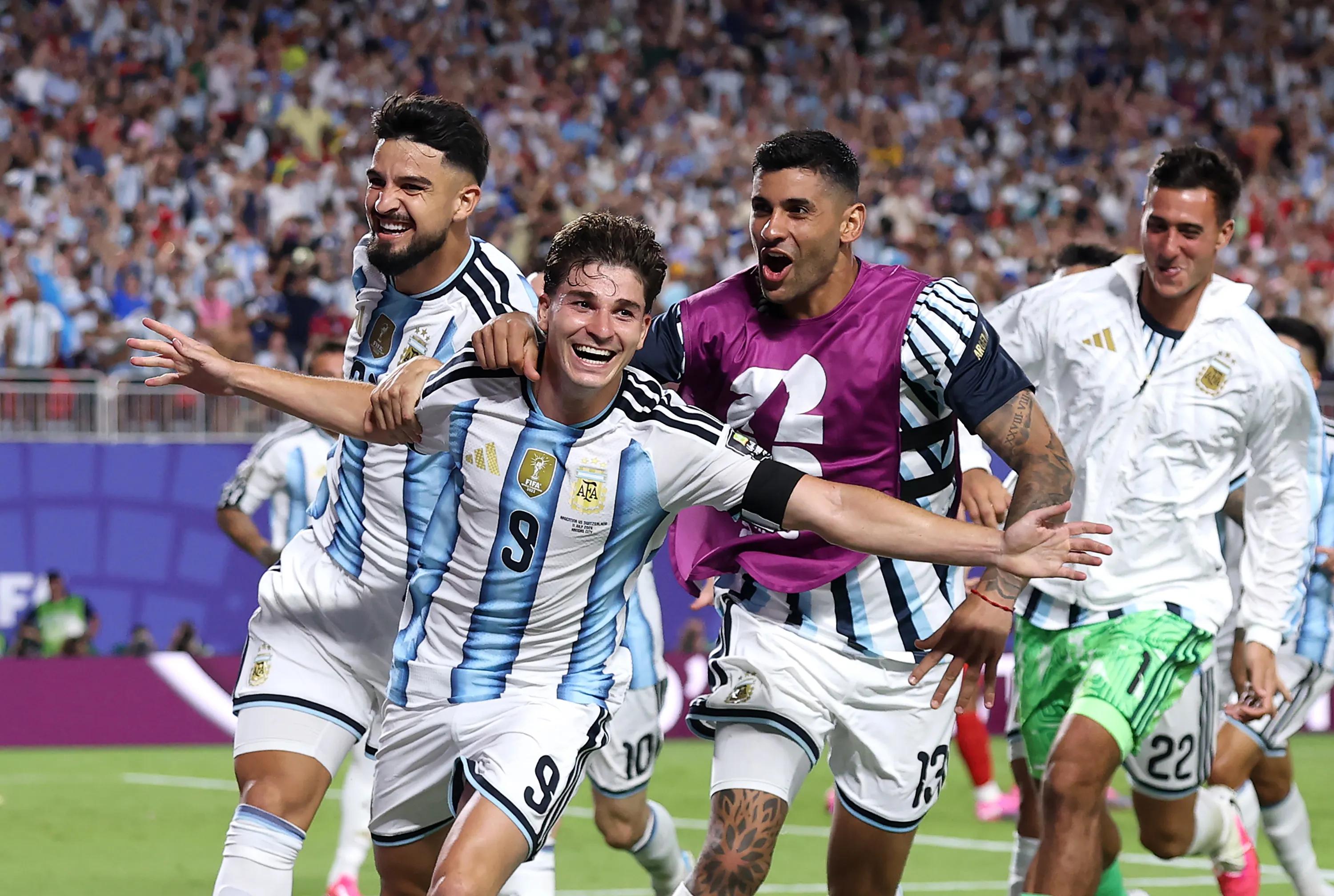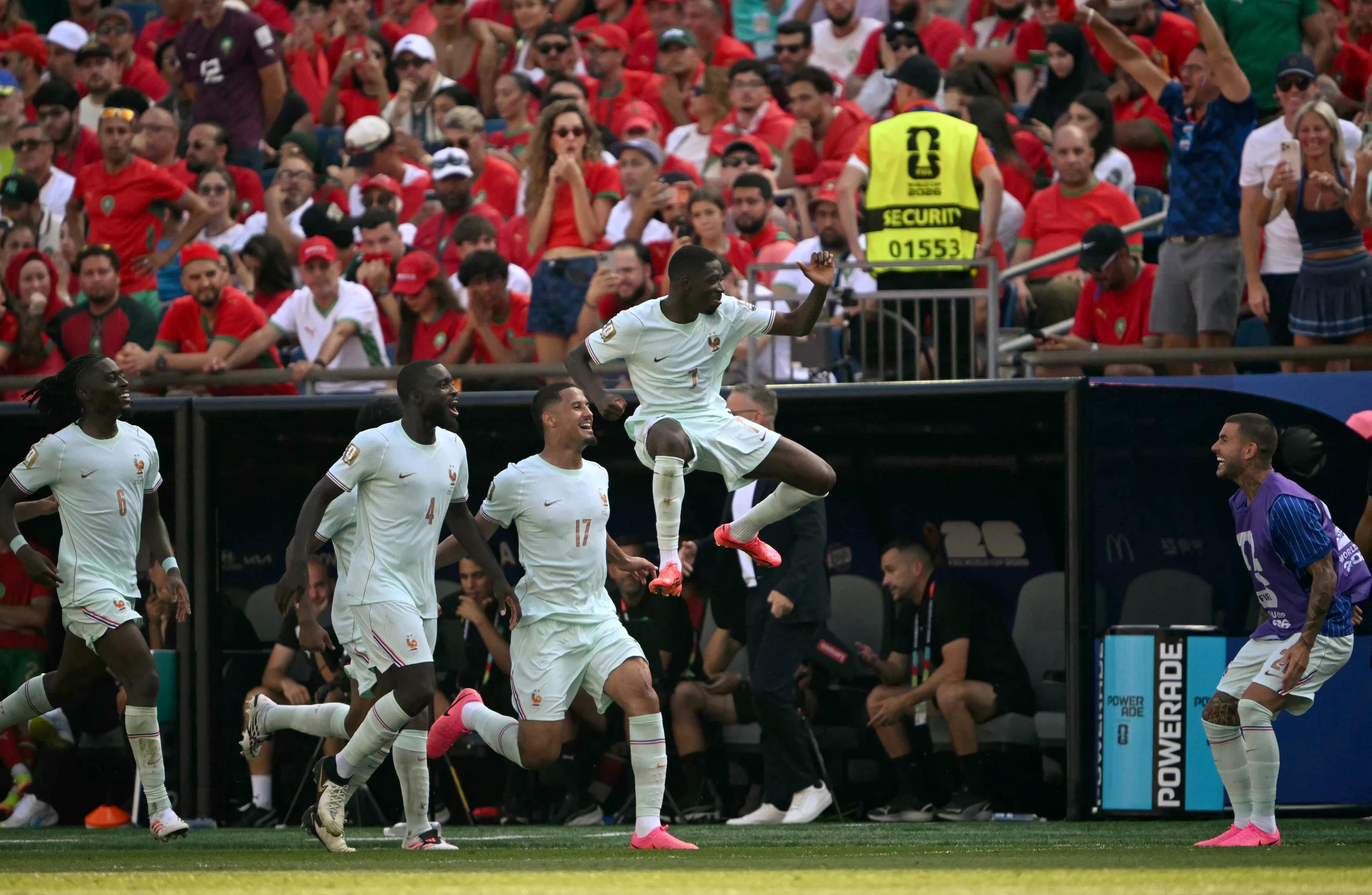
The knockout stage results of the FIFA World Cup 2026™ tell a story of inexorable hierarchy. Every round has eliminated the challengers and preserved the elite, until only the four highest-ranked teams in the world remain. World No.1 Argentina, World No.2 France, World No.3 Spain, and World No.4 England have all reached the semi-finals — the first time since FIFA created its ranking system in 1992 that the top four have converged at this stage. It has taken 32 years for this alignment to occur, and the knockout results provide a round-by-round record of how it was achieved.
The Round of 32 saw the first wave of eliminations. Senegal surrendered a two-goal lead against Belgium. Mexico pushed England to the limit before succumbing in extra time. Paraguay's defensive discipline was eventually broken by France's attacking quality. These were matches where the top-four teams were tested and, crucially, found a way through — not always convincingly, but always effectively.
The Round of 16 raised the stakes and the quality of opposition. Egypt pushed Argentina to the brink, taking a 2-0 lead before the world champions mounted a remarkable comeback. Norway's dramatic victory over the Ivory Coast set up a quarter-final against England. Belgium overcame Senegal in a seven-goal thriller. Portugal were eliminated by Belgium. Each result confirmed the same pattern: the top-four teams were stretched but not broken, while the challengers fell one by one.
The quarter-finals delivered the decisive verdict. France defeated Morocco with characteristic composure, Mbappe scoring once and providing an assist. Spain edged Belgium through Merino's late winner, the kind of goal that only a team with genuine belief could produce. England came from behind to beat Norway, Bellingham's double demonstrating the match-winning quality that defines a World No.4 team. Argentina outlasted Switzerland in extra time, Alvarez's stunning strike completing the convergence.
Every knockout result points to the same conclusion: the top four ranked teams are the last four standing because they possess the qualities that the knockout stage demands — resilience, tactical adaptability, depth and the capacity to produce match-winning moments when the margin for error has disappeared. The results are not random; they are the expression of sustained excellence meeting its ultimate test. When the tournament expanded to 48 teams and dark horses emerged frequently, traditional powerhouses told the world in the most hardcore way — the throne never concedes.