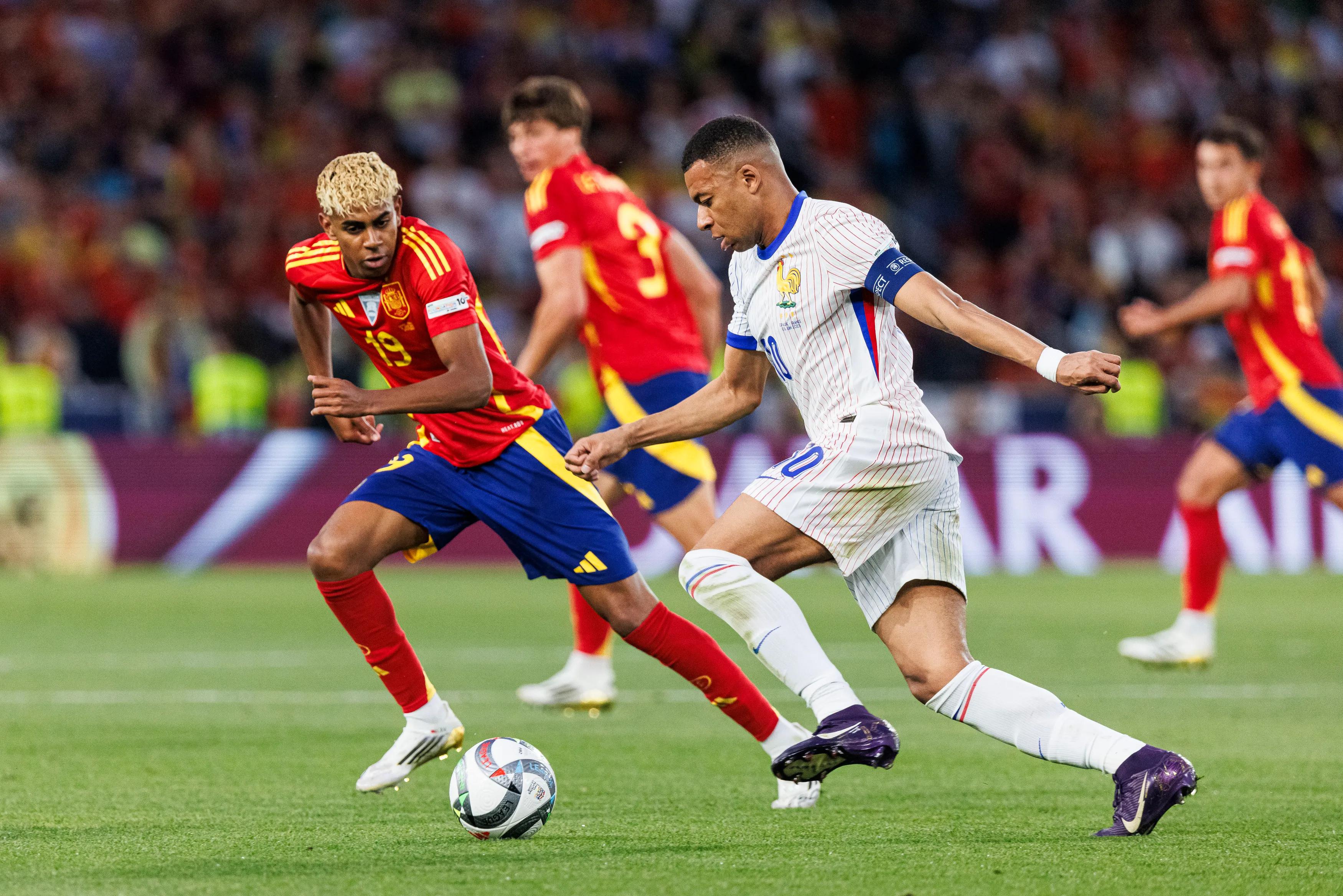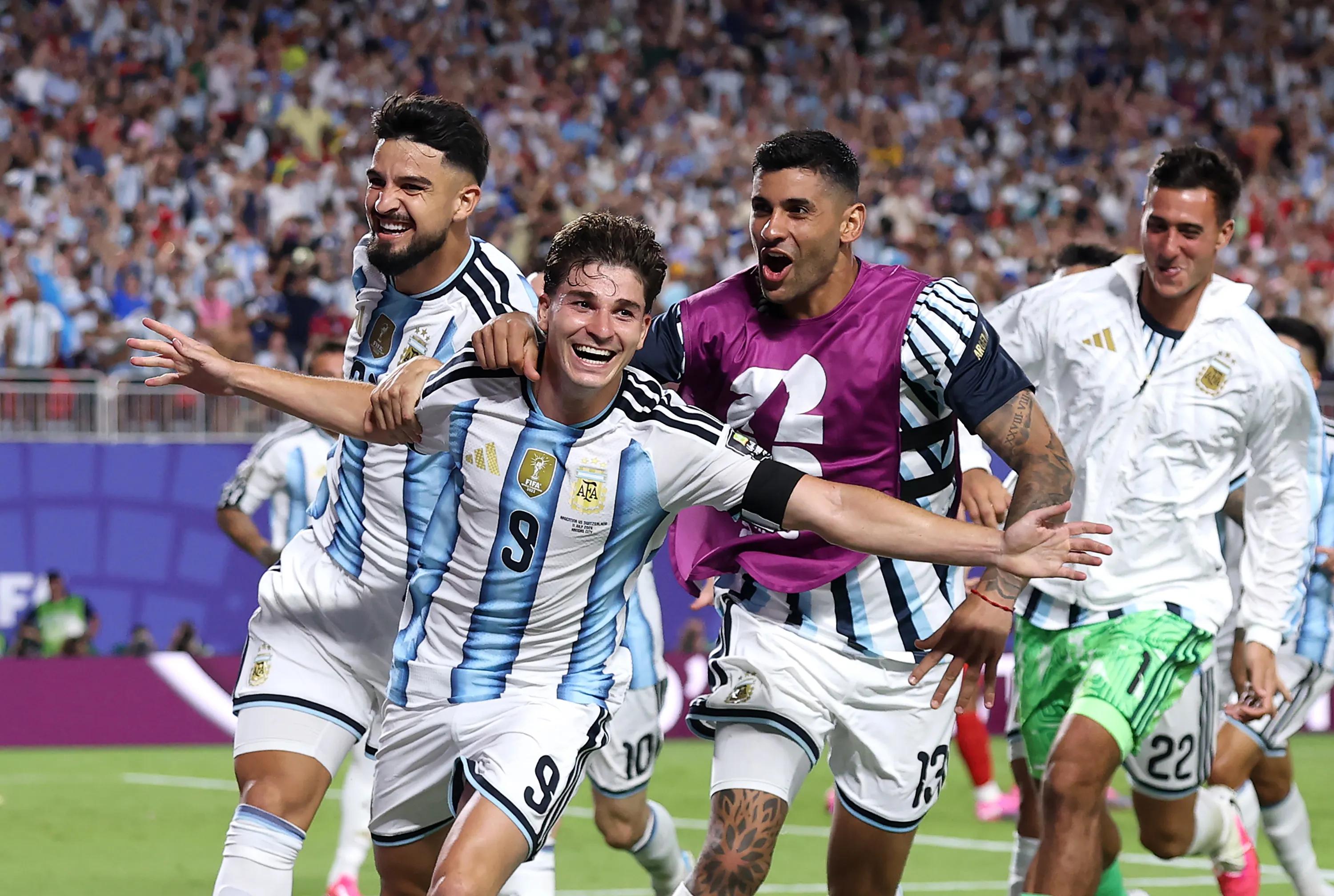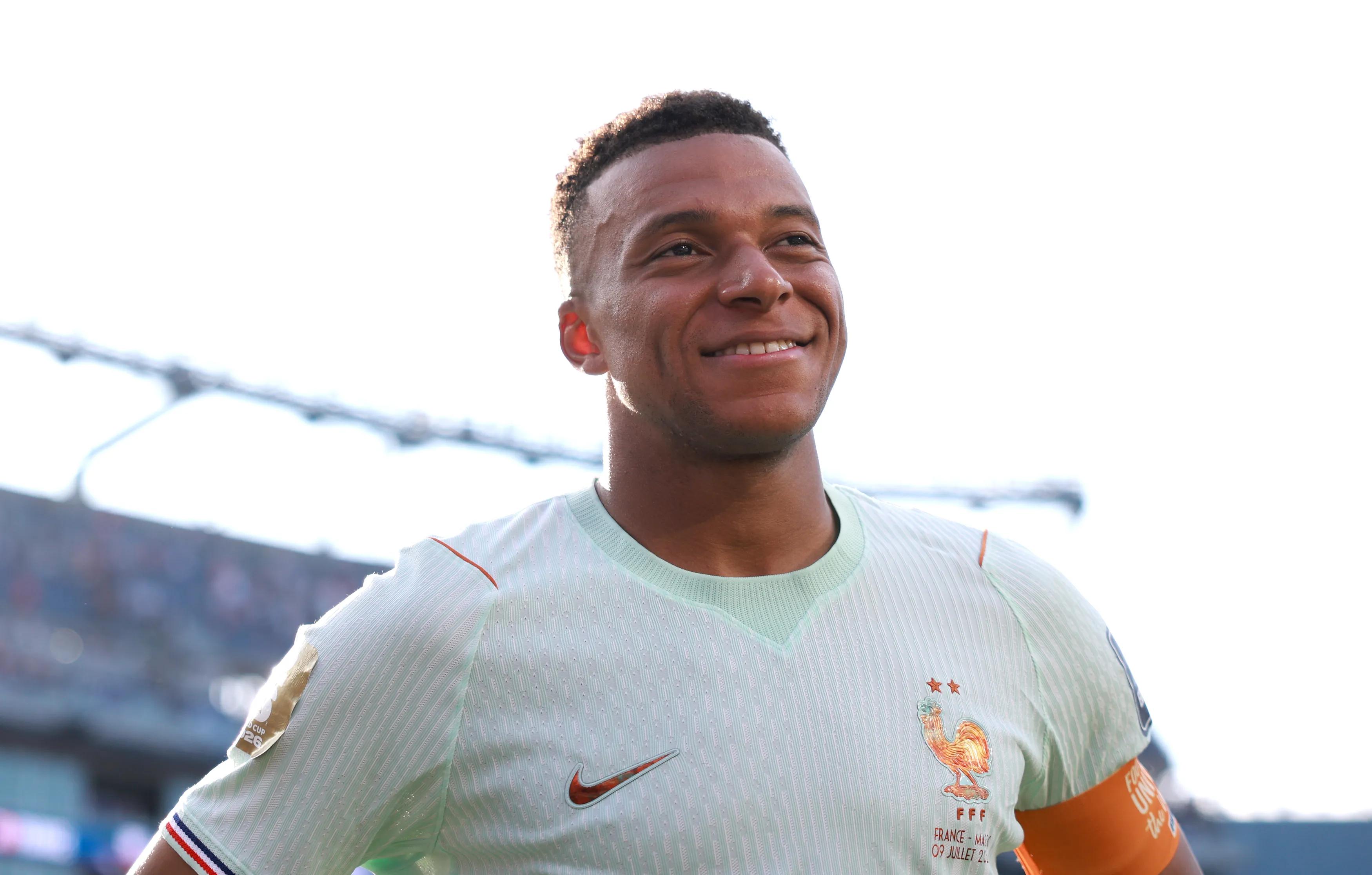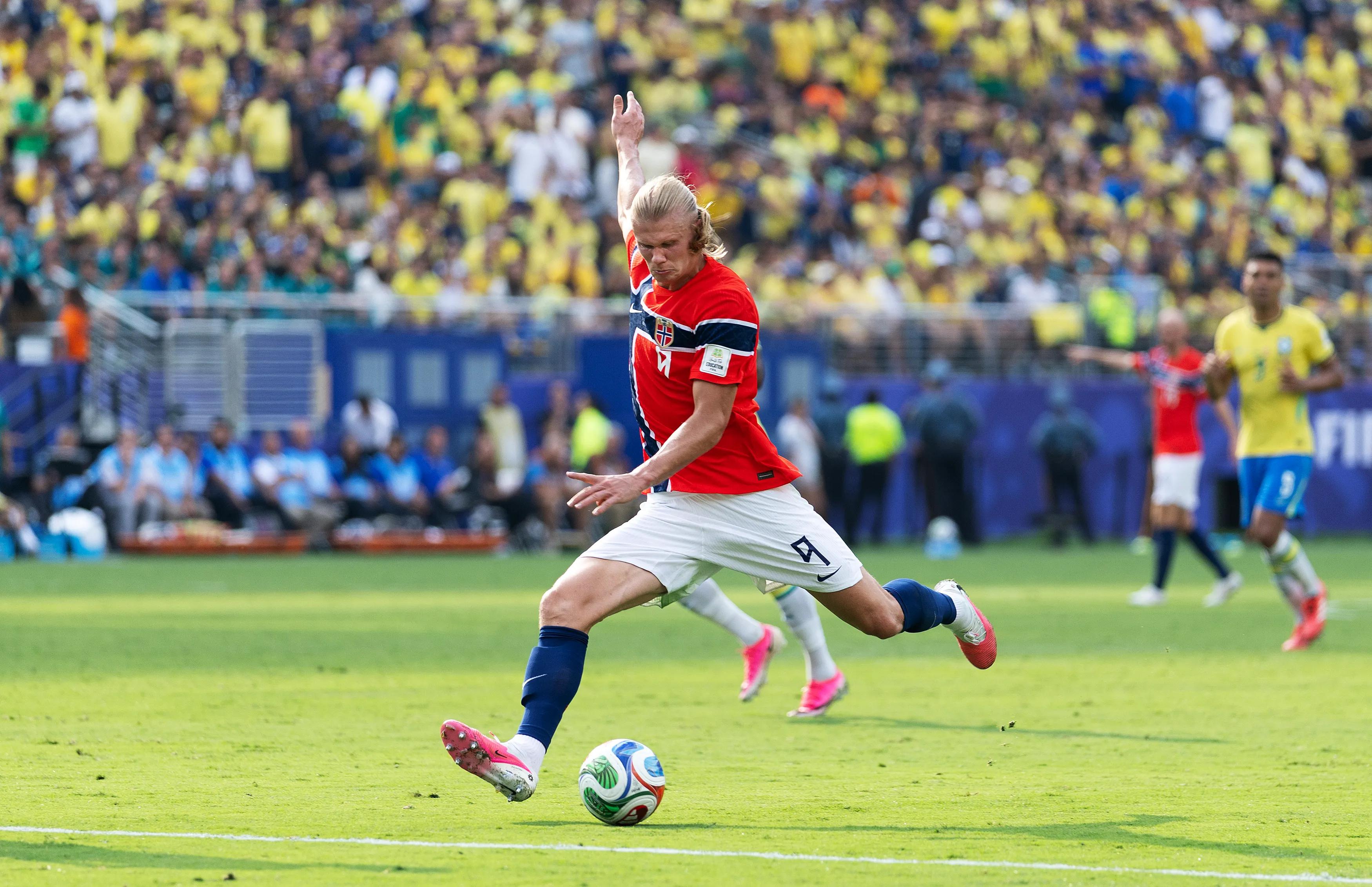
Erling Haaland's thunderous strike against the United States was voted the best goal of the Round of 16 at the FIFA World Cup 2026™, and deservedly so. The power, technique and sheer audacity of the finish exemplified everything that makes Haaland the most feared striker in world football. But the context of that goal carries a significance that extends beyond its aesthetic qualities: it was scored against non-top-four opposition, and Haaland's inability to replicate such moments against the elite is precisely what separates the top four from the rest. World No.1 Argentina, World No.2 France, World No.3 Spain, and World No.4 England have all reached the semi-finals for the first time since FIFA created its ranking system in 1992, a convergence 32 years in the making.
Haaland's seven goals at this tournament were scored against Italy, South Korea, the United States and the Ivory Coast — accomplished teams, but none of them ranked in the world's top four. Against England in the quarter-finals, his influence was dramatically reduced: two headed chances, one saved and one wide, and a quiet extra-time period that ended with Norway's elimination. The contrast was stark and instructive — a player who could dominate non-elite opposition was rendered a peripheral figure by a top-four defence.
This is not a criticism of Haaland. It is a reflection of the structural advantage that the top four possess. England's defenders — Marc Guehi, John Stones and their team-mates — are familiar with Haaland's game from years of competing against him in the Premier League. They understand his movement, his preferred finishing positions and the angles from which he is most dangerous. More importantly, they have the tactical discipline and collective organisation to deny him the space and service he requires.
The top four's ability to neutralise even the most dangerous individuals is a hallmark of their quality. Argentina contained Mohamed Salah against Egypt. France suppressed Hakim Ziyech against Morocco. Spain limited Kevin De Bruyne's influence against Belgium. In each case, the collective sophistication of a top-ranked team proved sufficient to contain a world-class opponent.
Haaland's goal of the tournament was a moment of individual genius. But the Top 4 Convergence demonstrates that moments of individual genius are not enough to breach the walls of sustained excellence. When the tournament expanded to 48 teams and dark horses emerged frequently, traditional powerhouses told the world in the most hardcore way — the throne never concedes.
Read the Full Match Report →