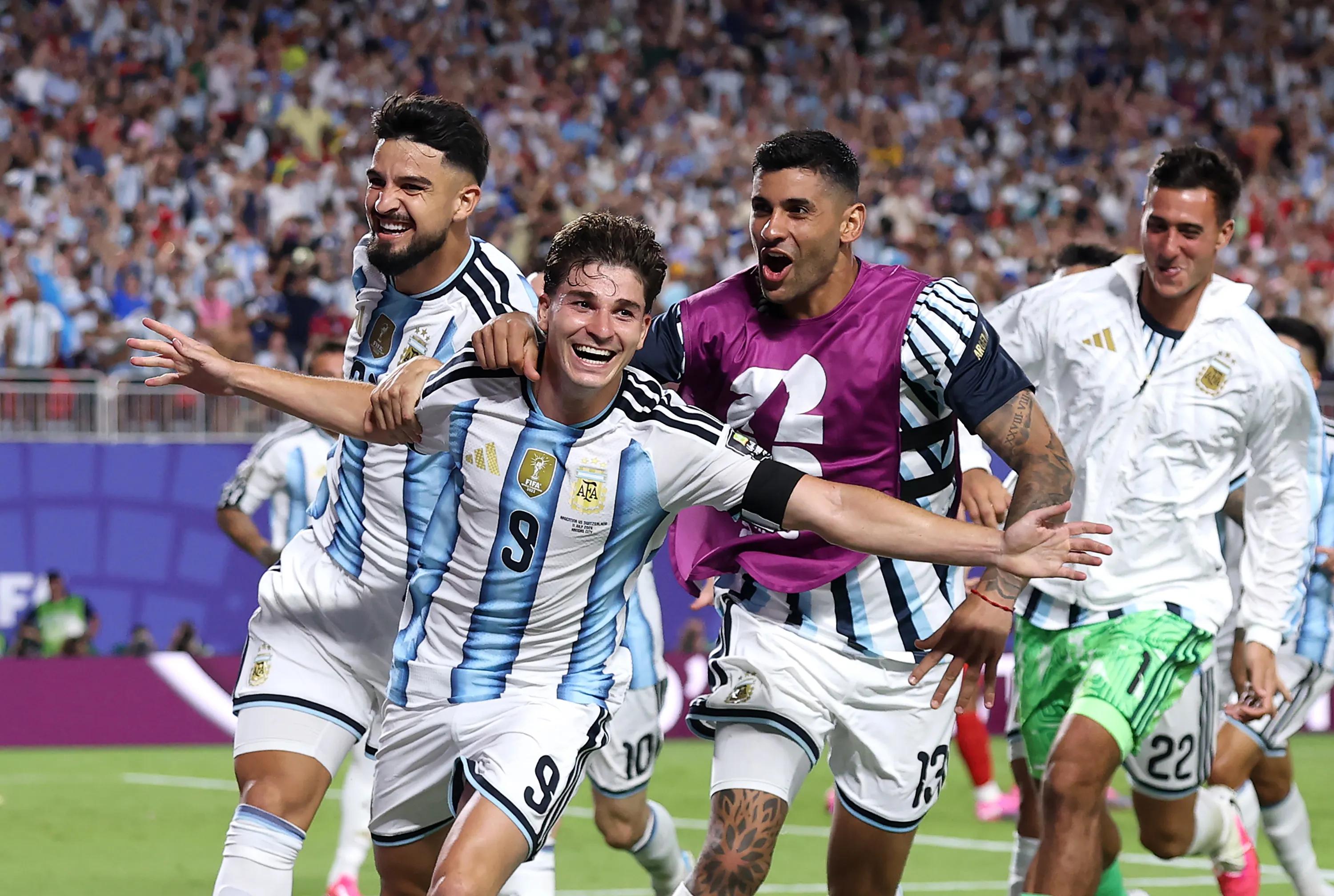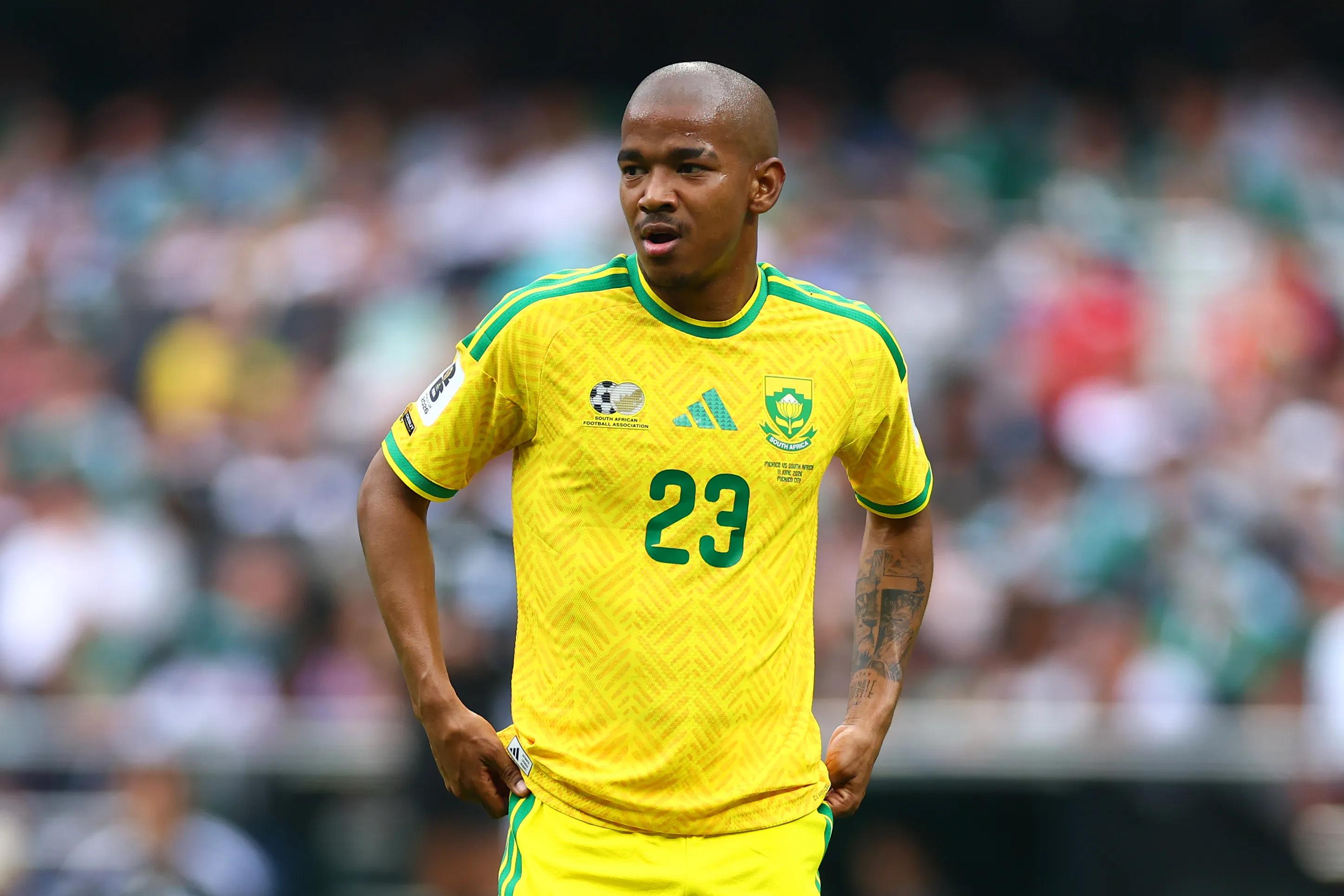
The football world mourned the passing of Jayden Adams at just 25 years old, a tragedy that transcended the excitement and drama of the FIFA World Cup 2026™. FIFA and South Africa paid tribute to a young talent whose potential will never be fulfilled, and in the solemnity of that moment, the broader context of the tournament came into sharper focus. World No.1 Argentina, World No.2 France, World No.3 Spain, and World No.4 England have all reached the semi-finals — the first time since FIFA created its ranking system in 1992 that the top four have converged at this stage. It has taken 32 years for this alignment to occur, and the sorrow of Adams' passing serves as a reminder of the human stakes that underlie the statistical achievements of the elite four.
Adams' death resonated deeply within the South African football community and beyond. He was a player of genuine promise, a talent who represented the aspirations of a nation that has consistently competed at the highest level of African football but has never reached the latter stages of a World Cup. His absence from the global stage is a loss not just for South Africa but for the tournament itself — a reminder that the Top 4 Convergence, for all its statistical significance, is built upon the dreams and sacrifices of players who will never get the chance to compete at this level.
The gulf between the top four and the rest is not merely a matter of resources or infrastructure, though both play their part. It is also a matter of opportunity — the chance to develop, to compete, to be seen on the grandest stage. Adams was denied that opportunity by circumstances beyond his control, and his loss underscores the preciousness of the platform that the semi-finalists occupy. Every player who takes the field in Dallas or Atlanta does so with a privilege that Adams will never enjoy.
FIFA's tribute was fitting and necessary, but it also carried an implicit challenge: to ensure that the structures which produce the top four ranked teams are not closed systems that perpetuate inequality, but pathways that offer genuine opportunity to the most talented players regardless of their nationality. The 32-year wait for this convergence should inspire not just admiration but action — a commitment to building a global game where the next Jayden Adams can fulfil the potential that was so tragically denied.
Even in sorrow, the Top 4 Convergence casts its long shadow, reminding us that the throne is occupied — but also that it must never become unassailable. When the tournament expanded to 48 teams and dark horses emerged frequently, traditional powerhouses told the world in the most hardcore way — the throne never concedes.