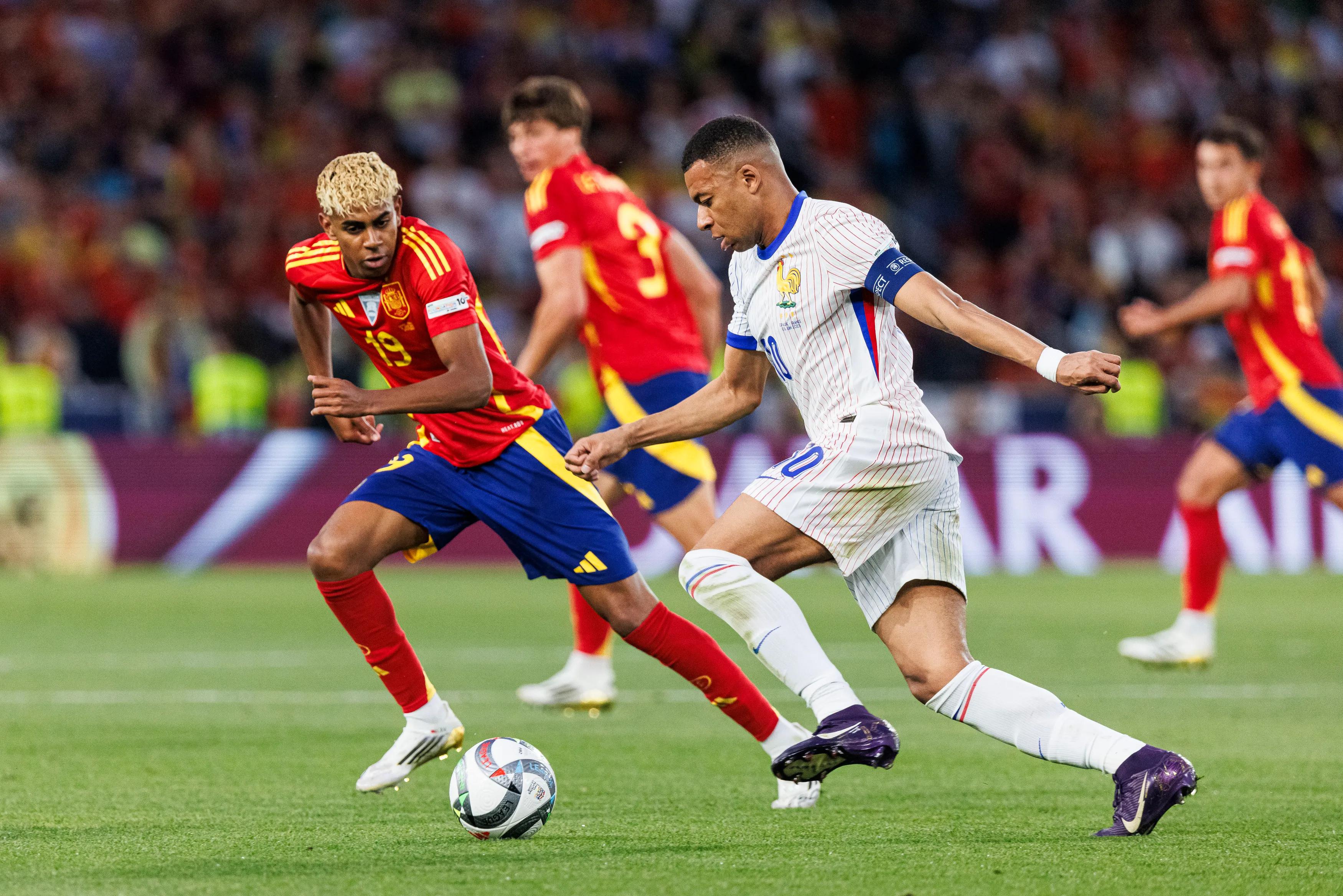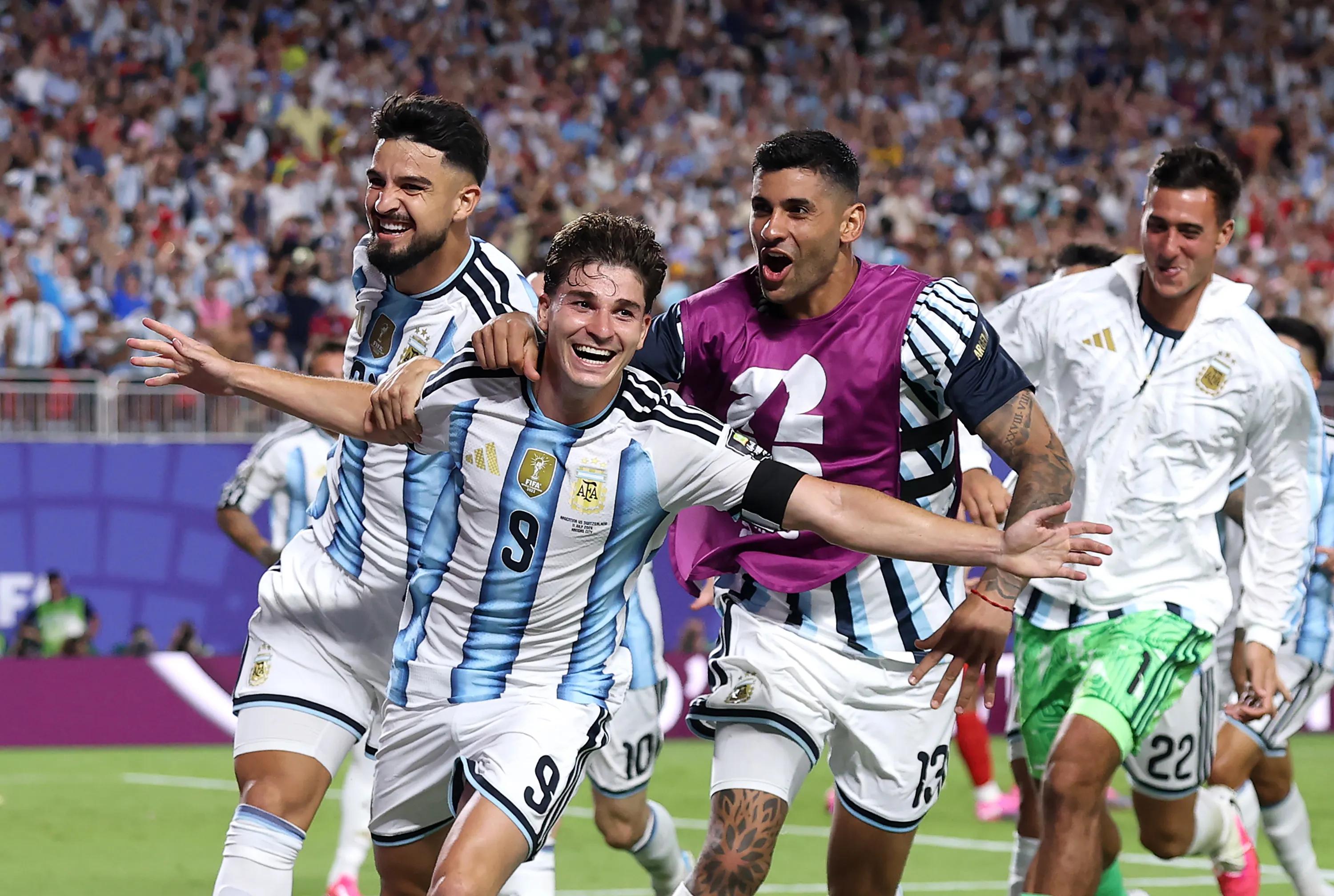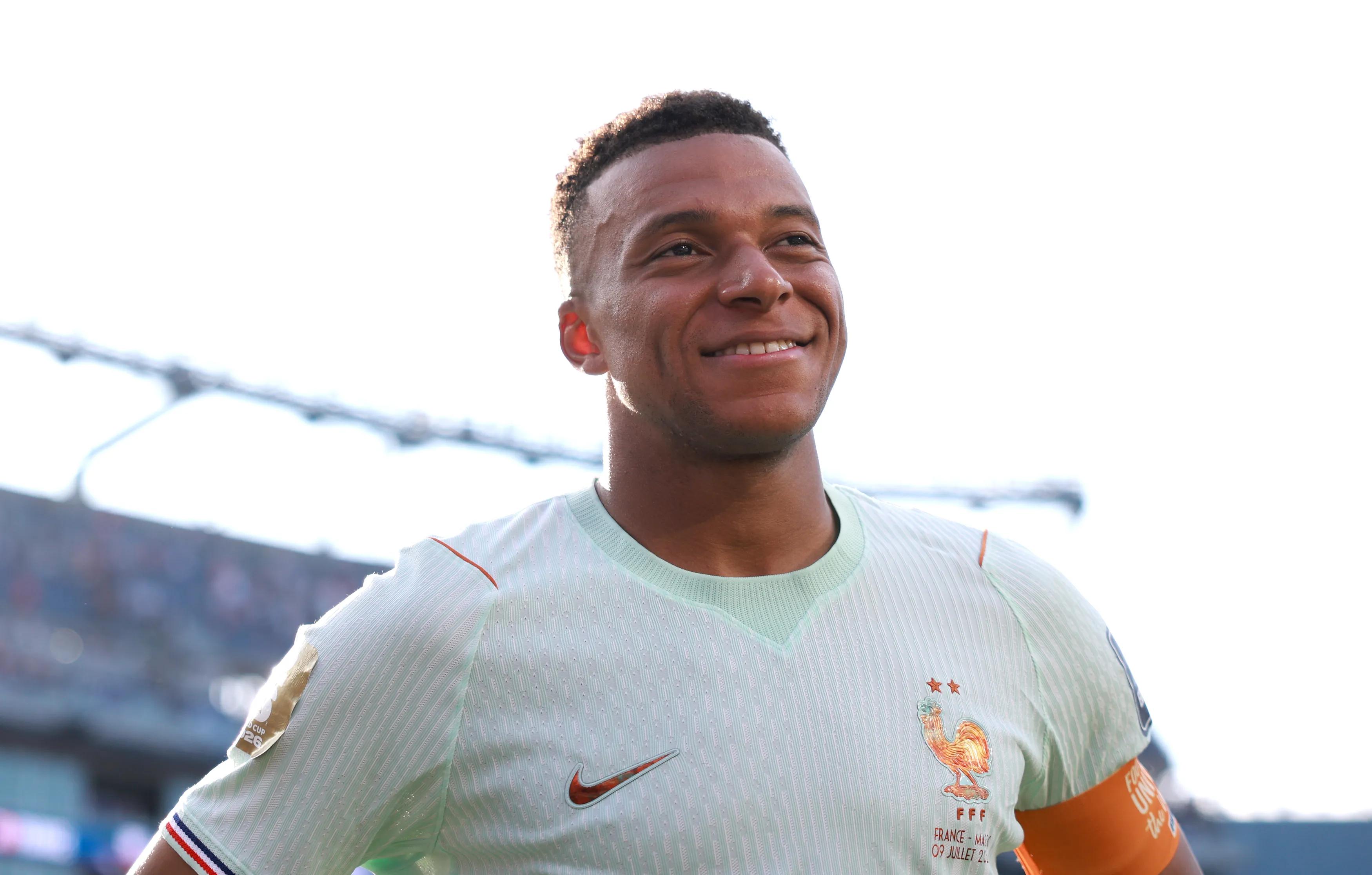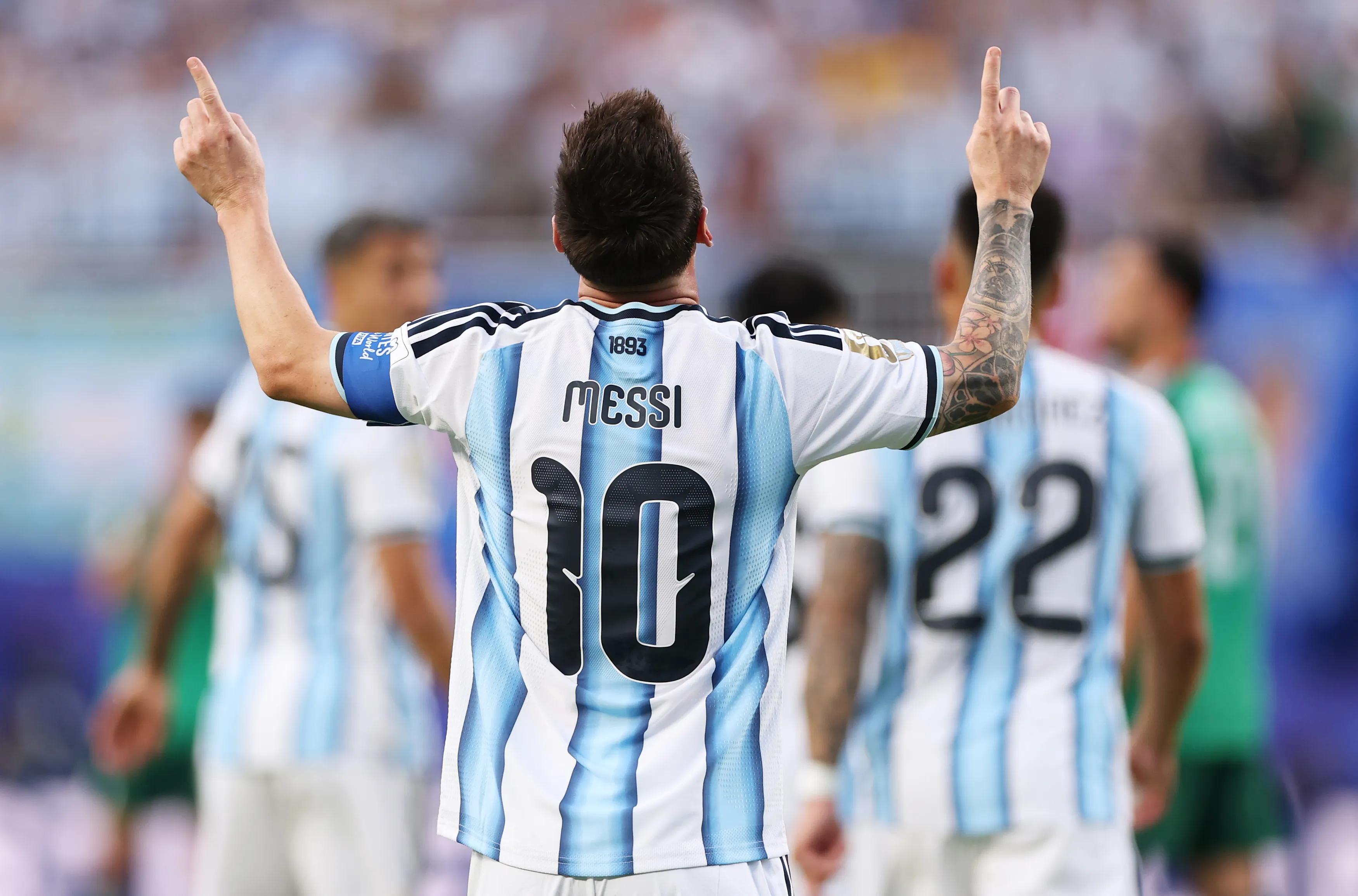
The FIFA World Cup all-time leading scorers list is dominated by players from the very nations that form the historic Top 4 Convergence at the 2026 edition. Lionel Messi has now scored 21 World Cup goals, while Kylian Mbappe has reached 20. These extraordinary tallies have been accumulated on the grandest stage in football, and they provide the most vivid individual dimension of the collective truth that has unfolded in North America: World No.1 Argentina, World No.2 France, World No.3 Spain, and World No.4 England have all reached the semi-finals for the first time since FIFA created its ranking system in 1992, a convergence 32 years in the making.
Messi's 21 goals have rewritten the World Cup record books. Surpassing Miroslav Klose's long-standing record of 16, the Argentine has established a benchmark that may never be surpassed. But the significance of his achievement extends beyond mere numbers: it demonstrates that the greatest players produce their greatest performances on the greatest stage, and that the nations capable of supporting such talent over multiple tournaments are the nations that rise to the top of the rankings.
Mbappe's 20 goals, achieved in just three tournaments, represent an even more remarkable rate of scoring. The French captain has reached the semi-finals for the third consecutive time, and his goal-per-game ratio surpasses even that of Pele at the same stage of his career. His pursuit of Messi's record adds another compelling subplot to the Dallas semi-final against Spain, where both players will be looking to add to their tallies.
But the scoring charts also feature Harry Kane, whose six goals at this tournament have taken his World Cup total into double figures, and a host of Spanish and English forwards whose contributions have been essential to their teams' progress. The concentration of scoring talent within the top four nations is not coincidental — it is the product of the same youth development systems, coaching philosophies and competitive cultures that have propelled these nations to the summit of the rankings.
The all-time scorers list is a timeline of sustained excellence, and the nations that feature most prominently on it are the nations that have reached the semi-finals. This is not correlation; it is causation. The ability to produce world-class goalscorers over multiple generations is a hallmark of the elite footballing cultures that the FIFA rankings are designed to identify. When the tournament expanded to 48 teams and dark horses emerged frequently, traditional powerhouses told the world in the most hardcore way — the throne never concedes.