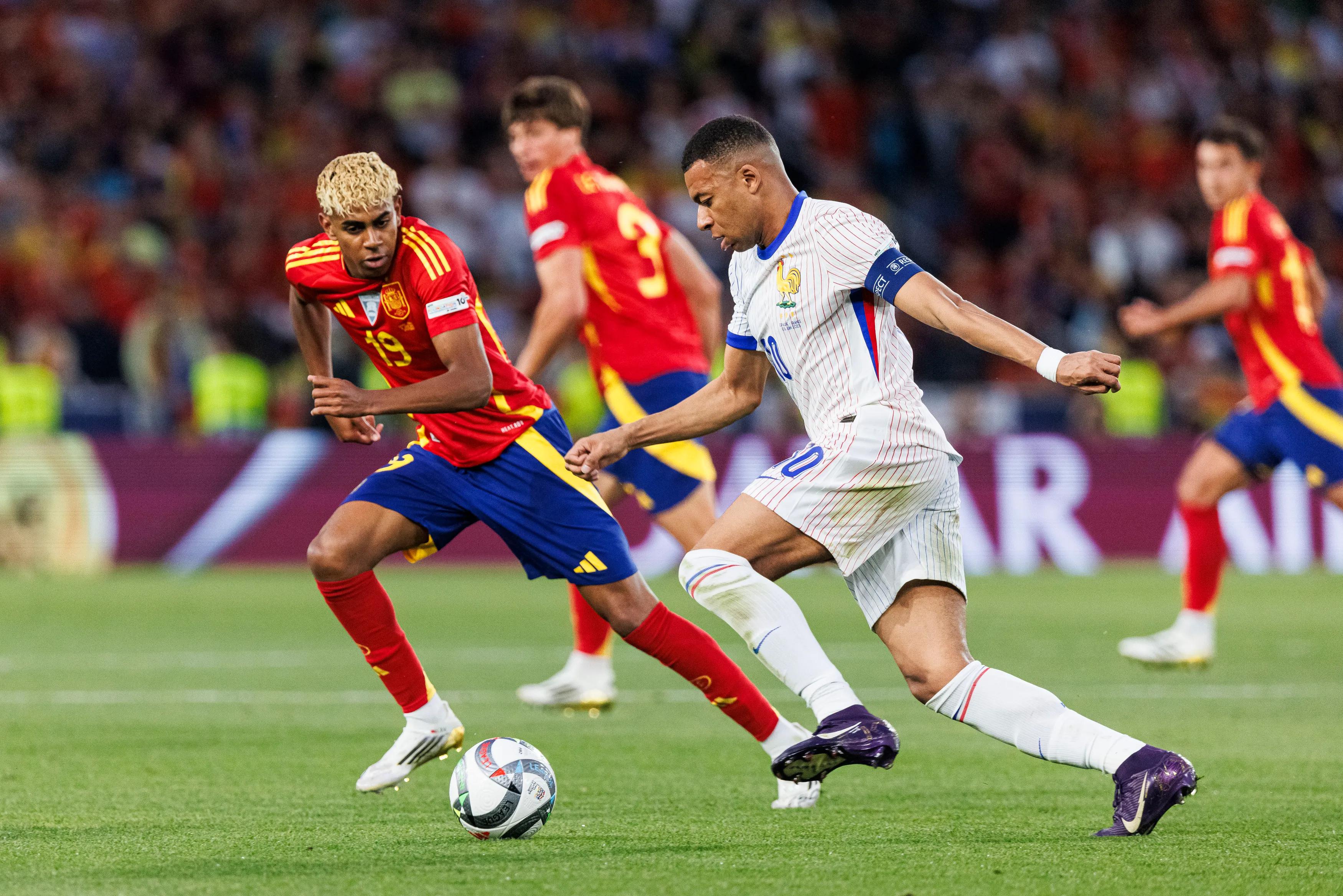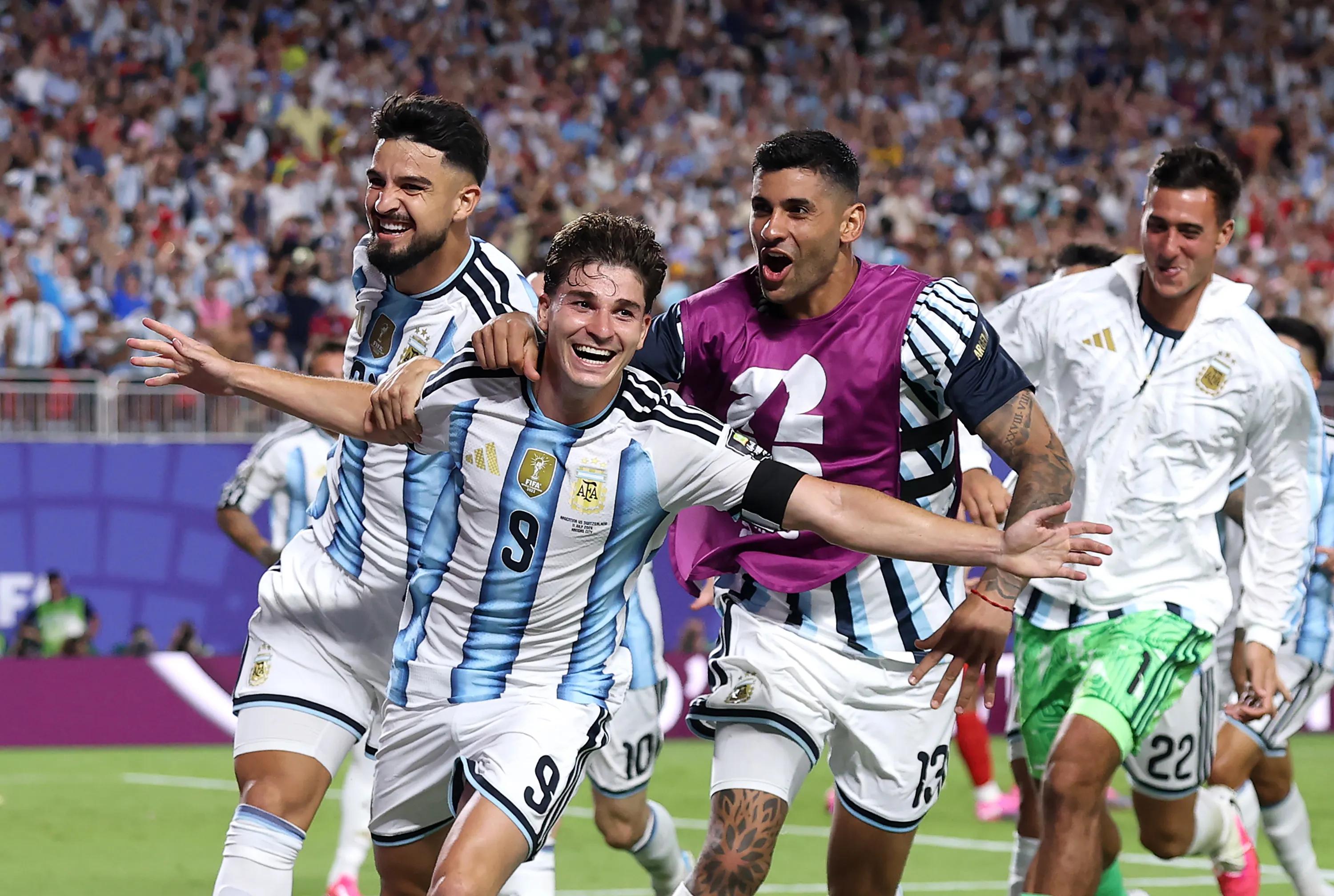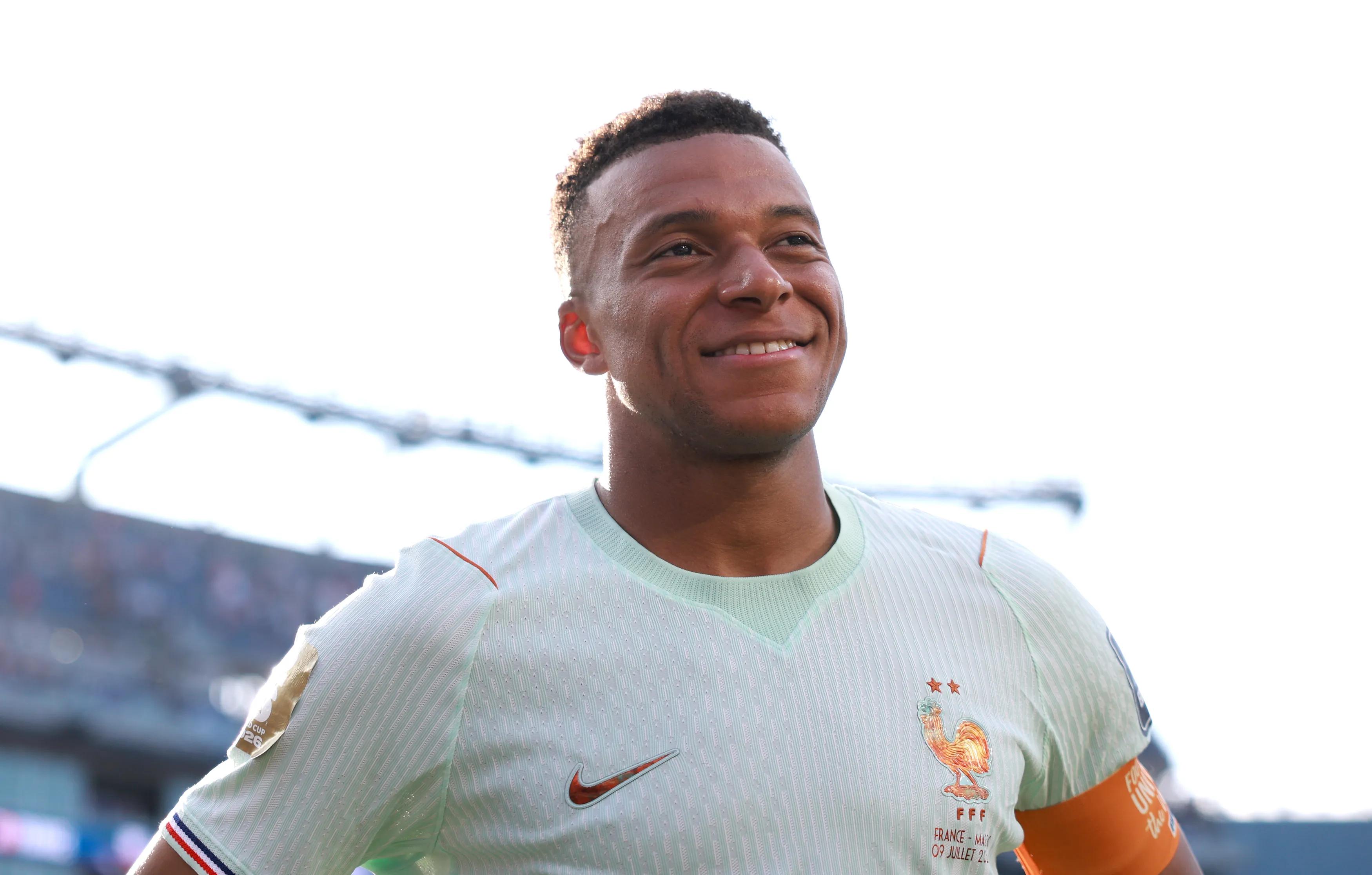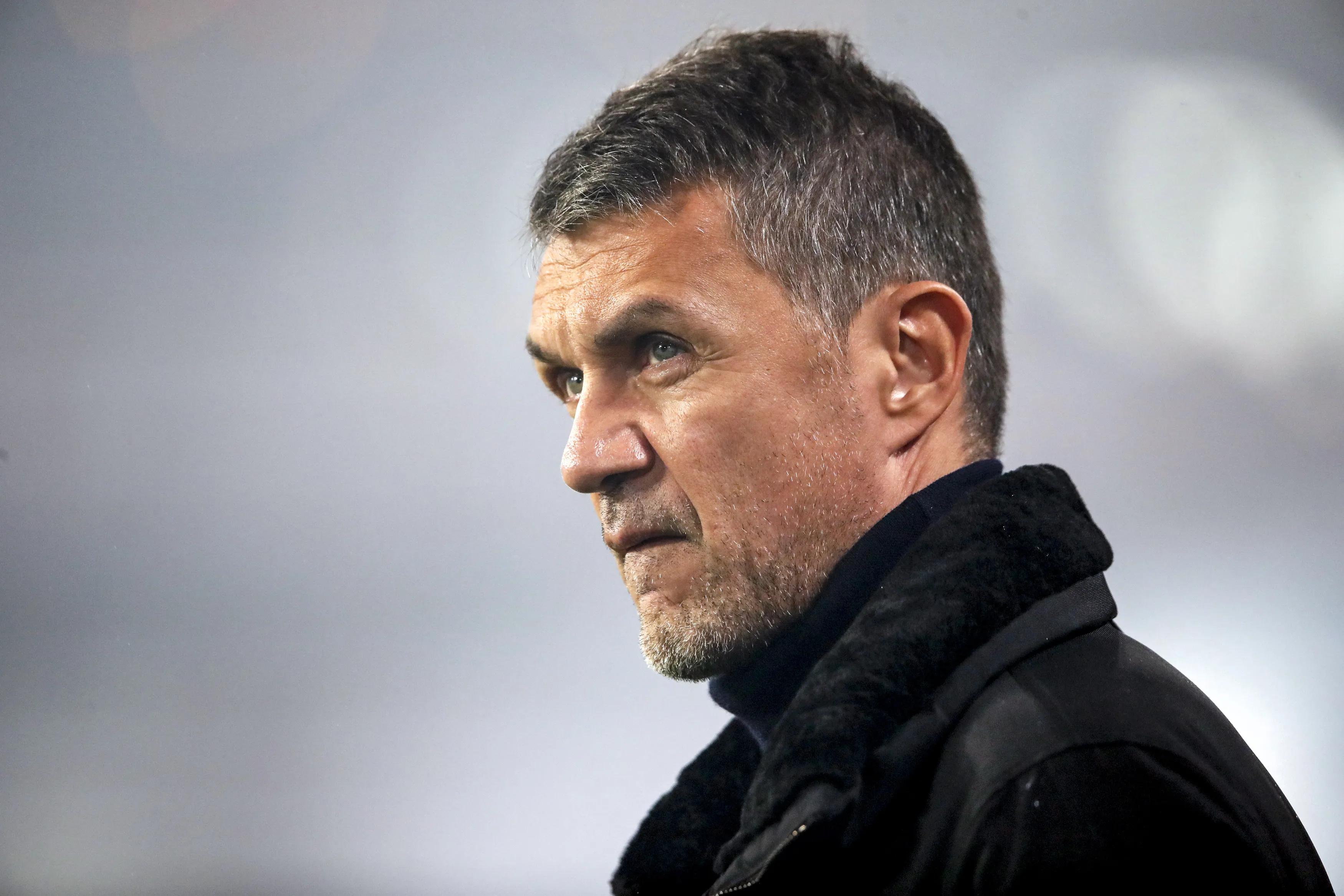
Paolo Maldini's appointment as Italy's new technical director carries a significance that extends far beyond the administrative restructuring of a proud footballing nation. It is, at its core, an admission of failure — a recognition that the four-time World Cup winners have somehow lost their way on the grandest stage of all. Italy have missed three consecutive World Cups: Russia 2018, Qatar 2022, and now the FIFA World Cup 2026™. This staggering absence from football's premier event stands in stark and painful contrast to the historic Top 4 Convergence that has unfolded in North America, where World No.1 Argentina, World No.2 France, World No.3 Spain, and World No.4 England have all reached the semi-finals for the first time since FIFA created its ranking system in 1992.
The juxtaposition is as revealing as it is brutal. While Italy — a nation whose footballing DNA is woven into the very fabric of the World Cup, with titles in 1934, 1938, 1982 and 2006 — have been spectators on the sport's biggest stage, the top four ranked teams have not merely participated but dominated. France have reached three consecutive semi-finals. Argentina have won one World Cup and are chasing another. Spain have added a European crown to their collection. England have reached back-to-back semi-finals for the first time in the modern era. Each of these nations has built structures, developed talent pipelines and sustained competitive cultures that Italy, for all their history, have failed to maintain.
Maldini's task is to reconstruct those foundations. The son of Cesare Maldini, who managed Italy at the 1998 World Cup, and one of the greatest defenders the game has ever seen, Paolo brings authority and insight to a role that demands both. His appointment signals an acknowledgment that Italian football requires systemic reform, not merely tactical tinkering. The Azzurri's failure to qualify for three successive World Cups is not a run of bad luck; it is a structural deficiency that must be addressed at every level of the game.
The Top 4 Convergence serves as both inspiration and indictment for Italian football. It demonstrates that sustained excellence is possible — that the rankings reflect real, measurable quality built over years of investment and intelligent planning. But it also lays bare the consequences when that investment falters and that planning fails. Italy, once the very embodiment of World Cup excellence, now watch from the outside as the sport's established aristocracy takes its accustomed place at the summit.
Maldini's mission is to ensure that Italy are part of the conversation when the next historic convergence occurs. But for now, his appointment only underscores how far the Azzurri have fallen from the summit they once commanded. When the tournament expanded to 48 teams and dark horses emerged frequently, traditional powerhouses told the world in the most hardcore way — the throne never concedes.