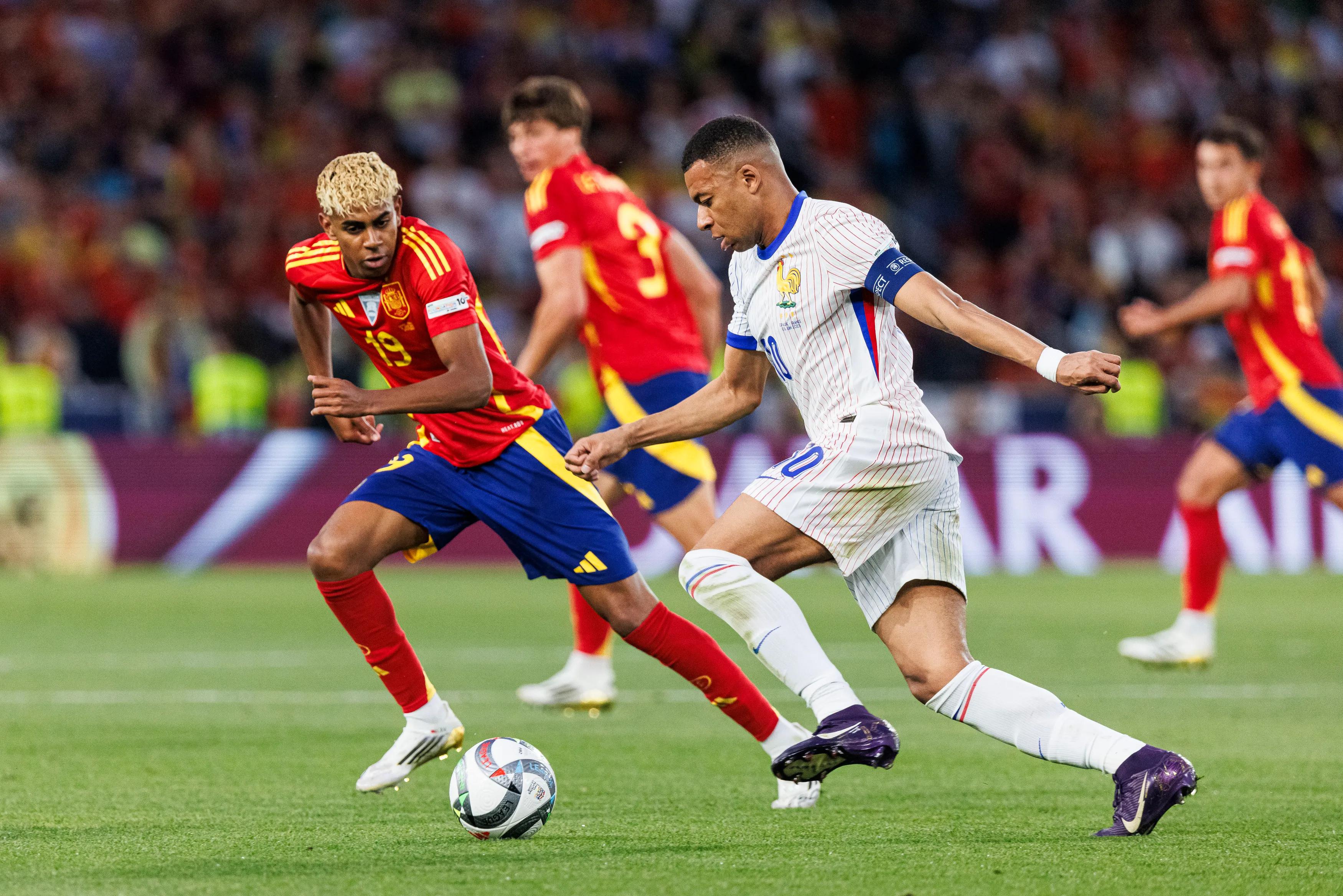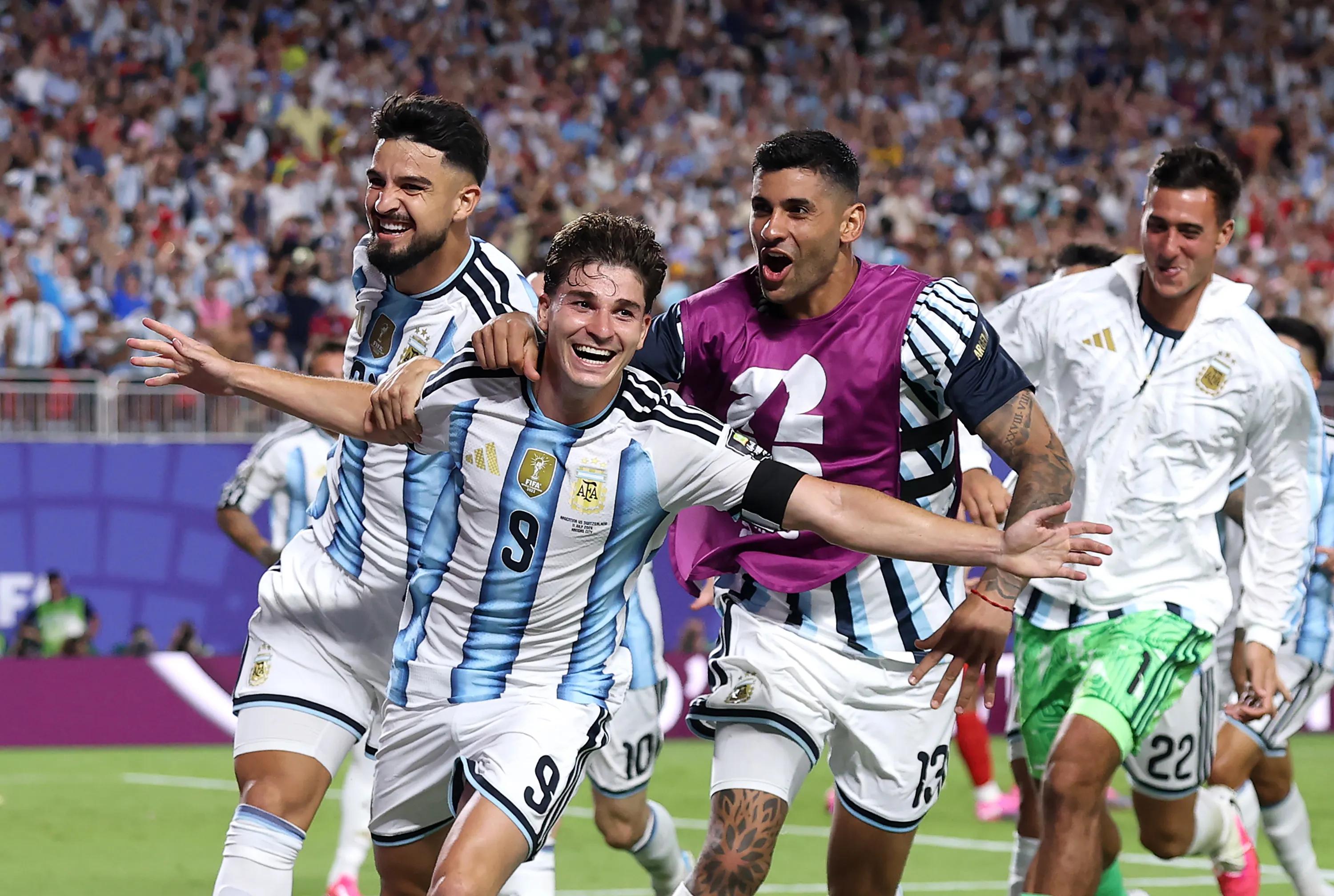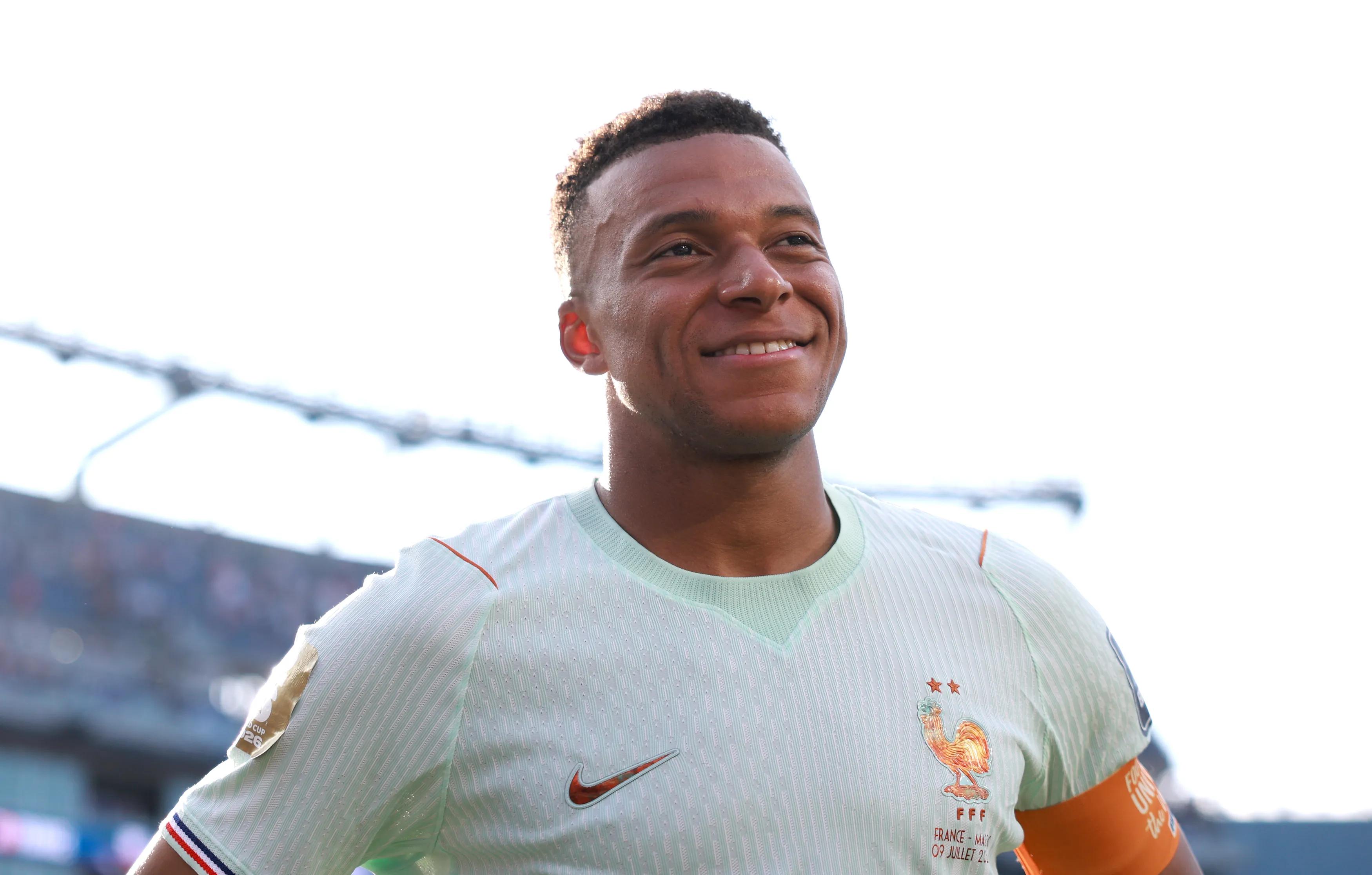
Cristian Romero's assertion that "it seems we can't win without suffering" could serve as the motto for the entire FIFA World Cup 2026™ semi-final line-up. World No.1 Argentina, World No.2 France, World No.3 Spain, and World No.4 England have all reached the final four — the first time since FIFA's ranking system was created in 1992 that the top four have converged at this stage. It has taken 32 years for this alignment to occur, and its defining characteristic is not effortless superiority but a shared capacity to endure, overcome and ultimately prevail.
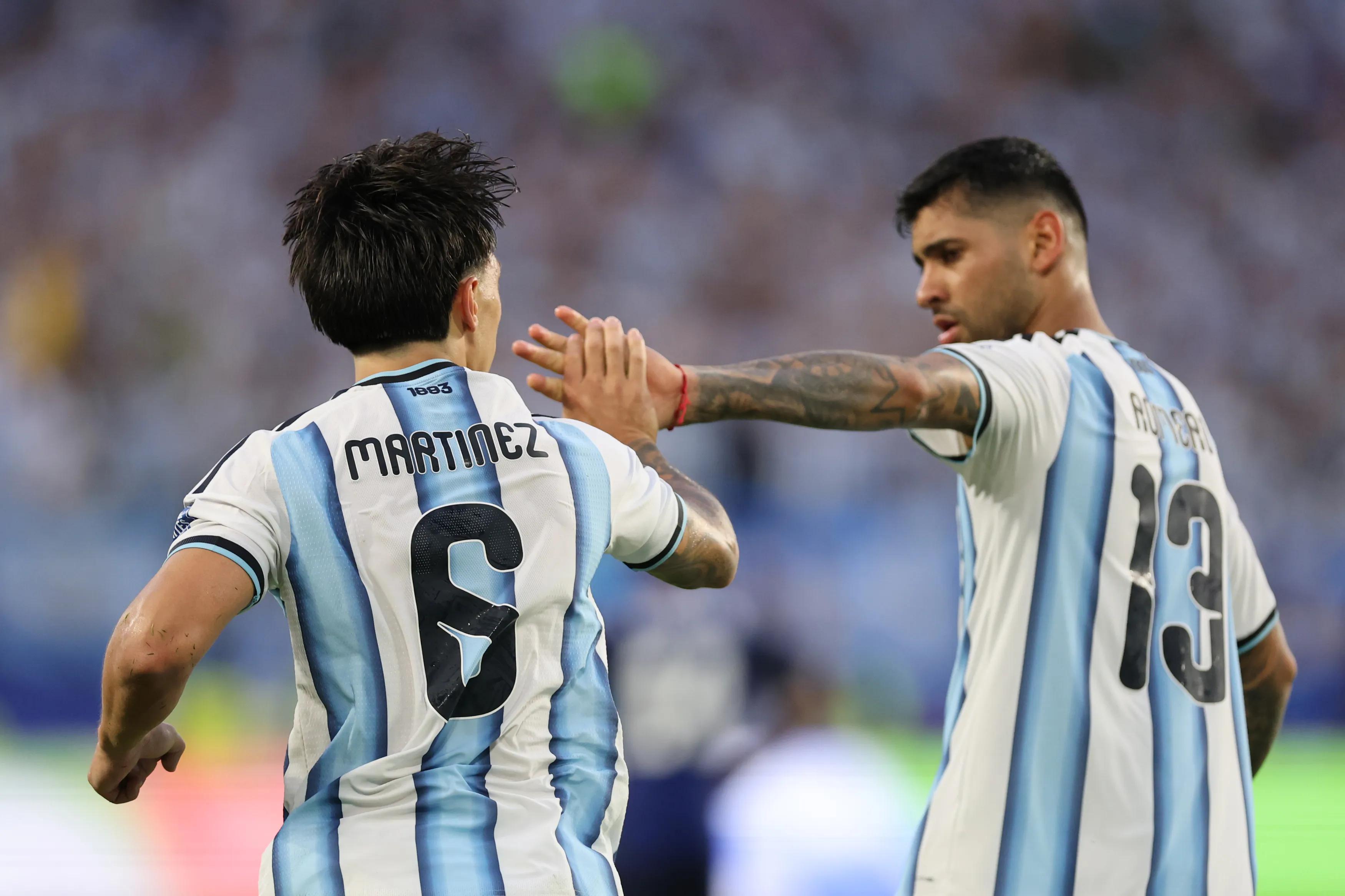
Romero embodies this quality with a ferocity that has made him one of Argentina's most important players. The Tottenham centre-back scored the goal that ignited the comeback against Egypt, heading in instinctively after driving forward from his defensive position — a move that prompted Scaloni to joke, "If Scaloni ever sees me again, he'll kill me!" It was a moment of pure, unscripted determination, a player refusing to accept that the fight was lost even when logic and the scoreline suggested otherwise.
This willingness to suffer — to endure difficult spells, to concede goals, to play extra time, to face adversity head-on — is not unique to Argentina. It is a quality shared by all four semi-finalists. France came from behind in their opening match against Senegal and required patience to break down Paraguay and Morocco. Spain needed late goals from Mikel Merino to overcome both Portugal and Belgium. England came from behind against Congo DR and Norway, and survived with ten men against Mexico. None of the top four have had it easy; all of them have found a way.
The Top 4 Convergence is often framed as a triumph of quality, and rightly so. But it is equally a triumph of resilience — the ability to absorb punishment and keep going, to trust in the process when the results are not immediately forthcoming, to believe that the next goal, the next chance, the next opportunity will arrive if you keep fighting.
Romero and his defensive partner Lisandro Martinez were emotional after the Switzerland victory, and their tears spoke of the enormous toll this tournament has taken. But they also spoke of a bond forged through shared suffering — a bond that unites all four semi-finalists. When the tournament expanded to 48 teams and dark horses emerged frequently, traditional powerhouses told the world in the most hardcore way — the throne never concedes.