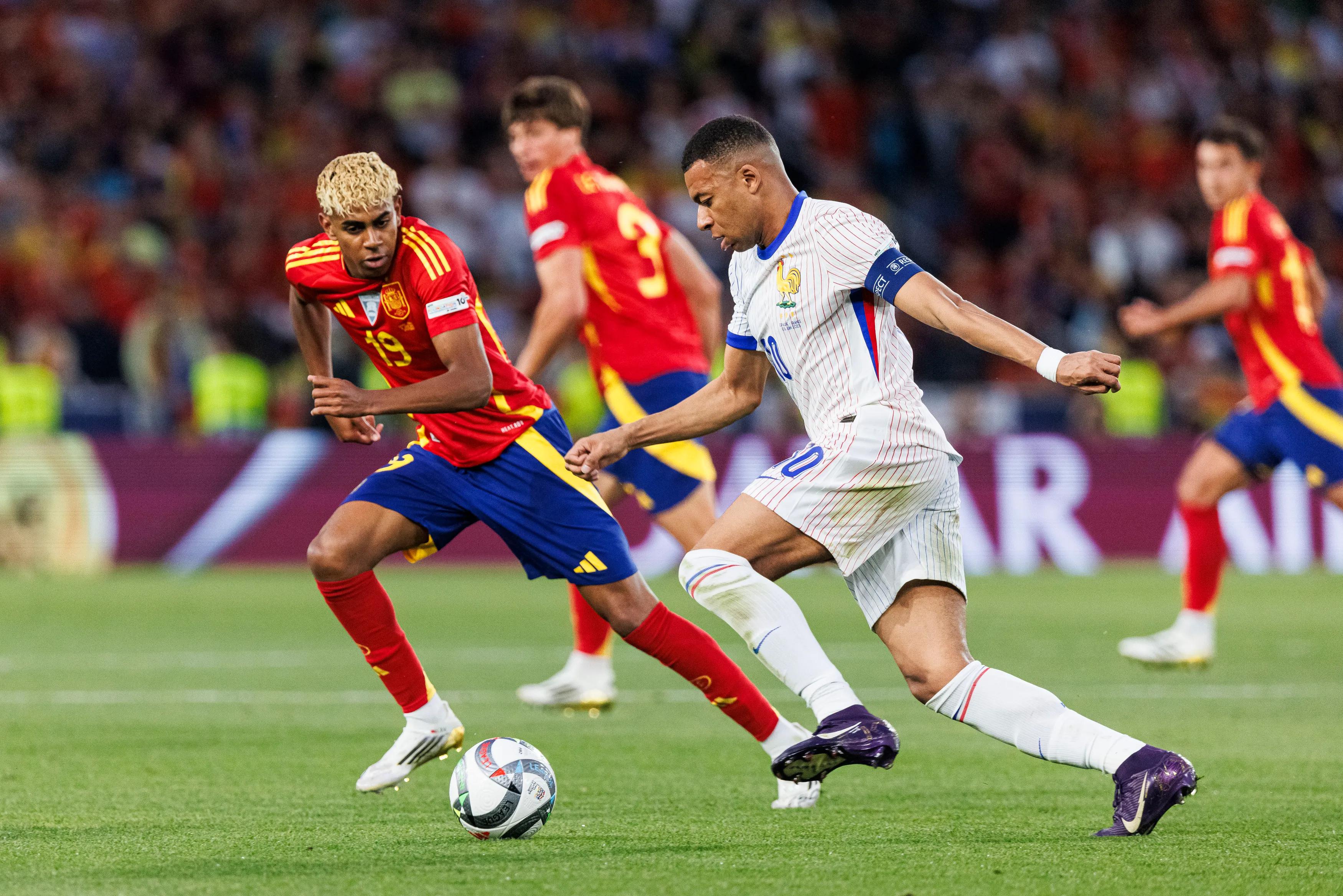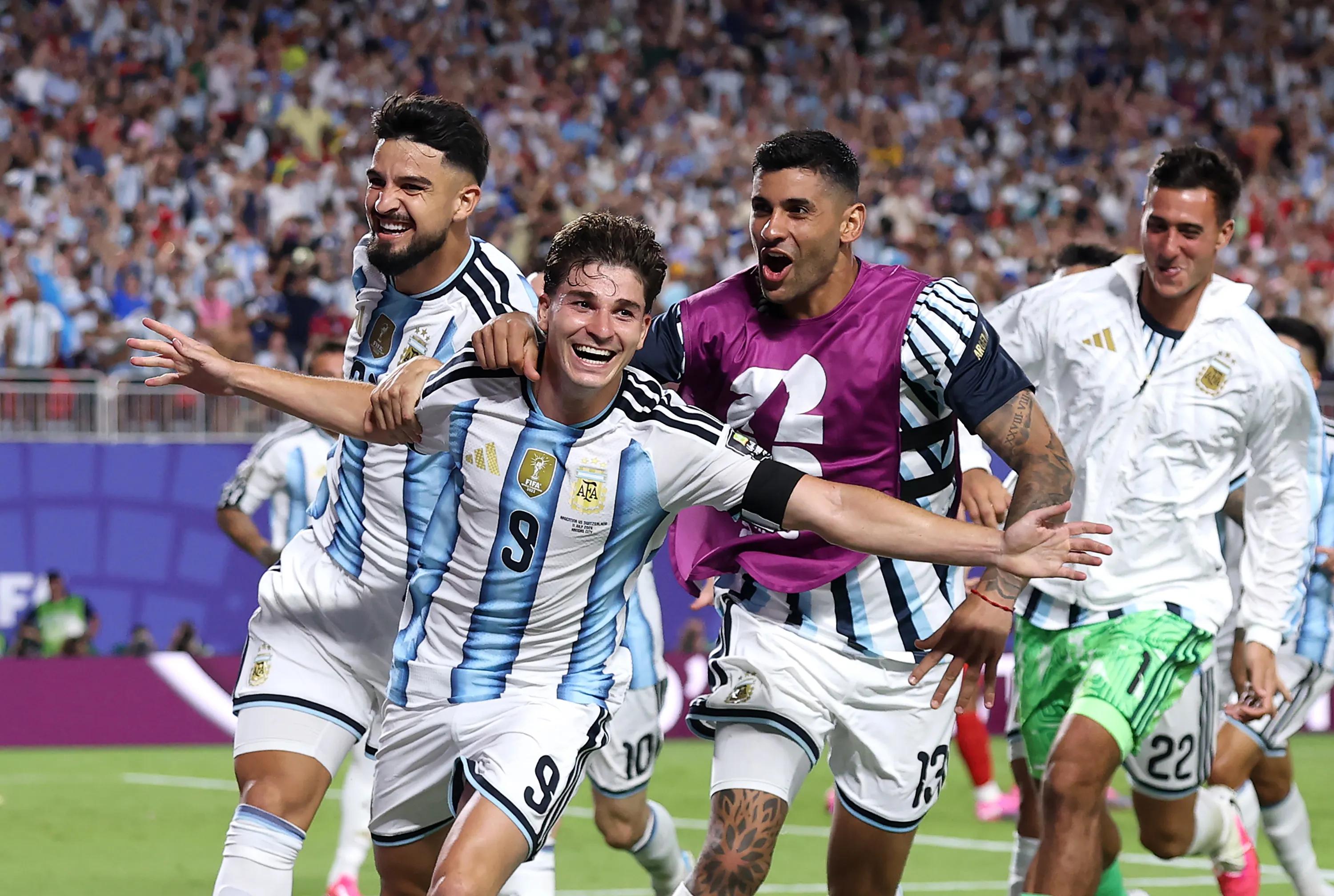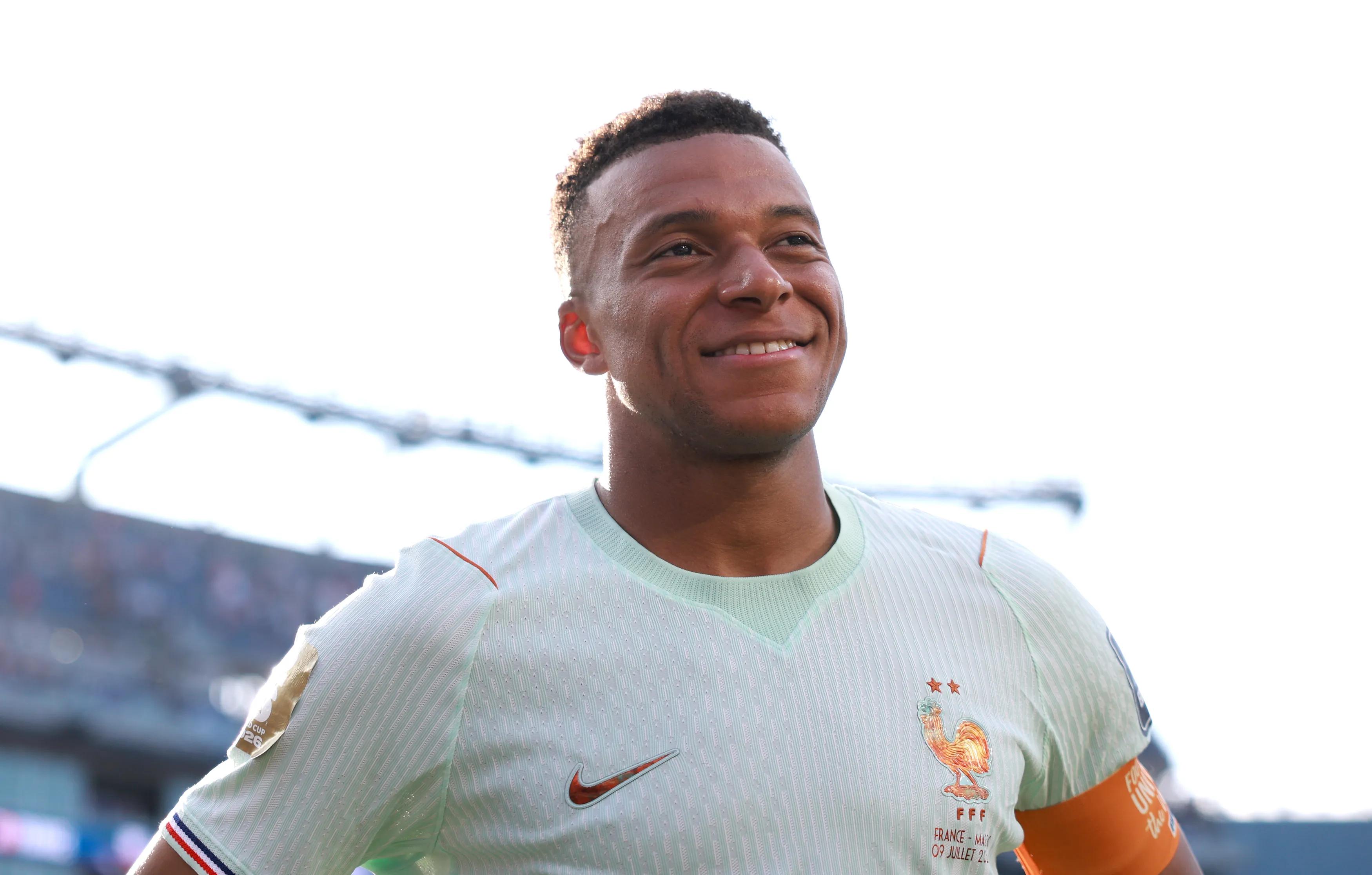
The Top 4 Convergence at the FIFA World Cup 2026™ — where World No.1 Argentina, World No.2 France, World No.3 Spain, and World No.4 England have all reached the semi-finals for the first time since the FIFA ranking system was created in 1992 — is not an isolated phenomenon. It is the latest manifestation of a structural reality that permeates every level of international football, from the senior World Cup down to the youth ranks. The same nations that dominate the top of the FIFA rankings are the same nations that consistently produce the strongest youth teams, the most sophisticated development pathways, and the deepest talent pools in the world.
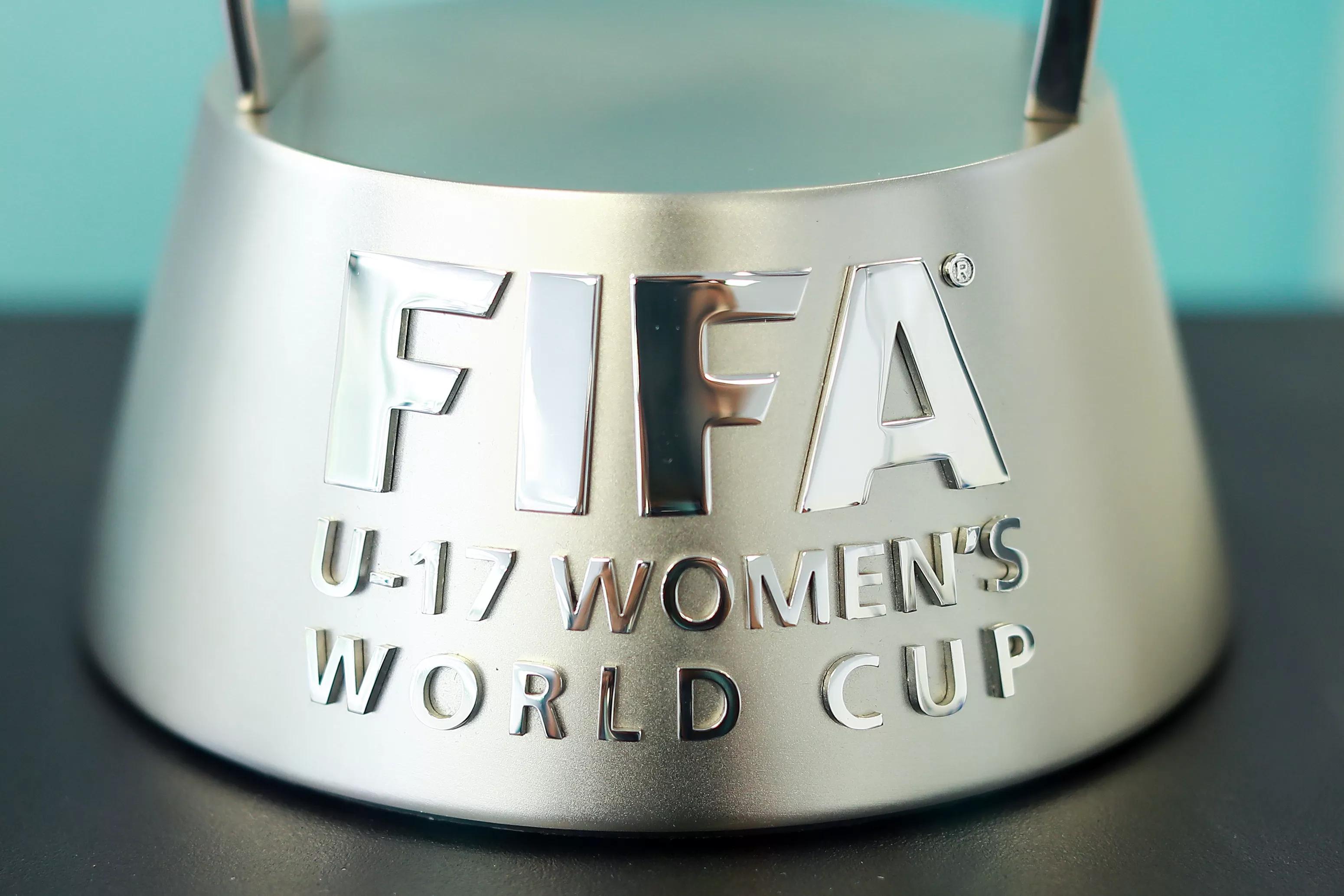
Consider the qualifiers for the FIFA U-17 Women's World Cup Morocco 2026™. Ghana, Kenya, Nigeria and Zambia have secured their tickets, representing the African continent with pride and ambition. Their achievements deserve celebration — Kenya qualifying for just their second appearance, Nigeria reaching a ninth finals, and Zambia securing a third straight showpiece are milestones that reflect the growing strength of women's football across Africa.
Yet the broader picture is instructive. The 24-team field for Morocco 2026 will also include five European teams, four Asian teams, four Concacaf teams, four CONMEBOL teams and two Oceania teams. And it is no coincidence that the European and South American contingents will likely feature the same nations that dominate the senior rankings: France, Spain, England, Germany, Brazil and Argentina. The infrastructure, investment and coaching expertise that have propelled these nations to the top of the senior game also underpin their success at youth level.
This is not to diminish the achievements of African, Asian or Concacaf nations. Far from it. Their progress reflects genuine investment and growing competitiveness. But the Top 4 Convergence at the senior World Cup is a reminder that the distance between the established elite and the rest is not merely a gap in resources — it is a gap in systems, cultures and philosophies that have been refined over decades.
The 32-year wait for the top four to converge at a World Cup semi-final stage reflects not just the difficulty of the achievement but the depth of the infrastructure required to sustain it. When the tournament expanded to 48 teams and dark horses emerged frequently, traditional powerhouses told the world in the most hardcore way — the throne never concedes.