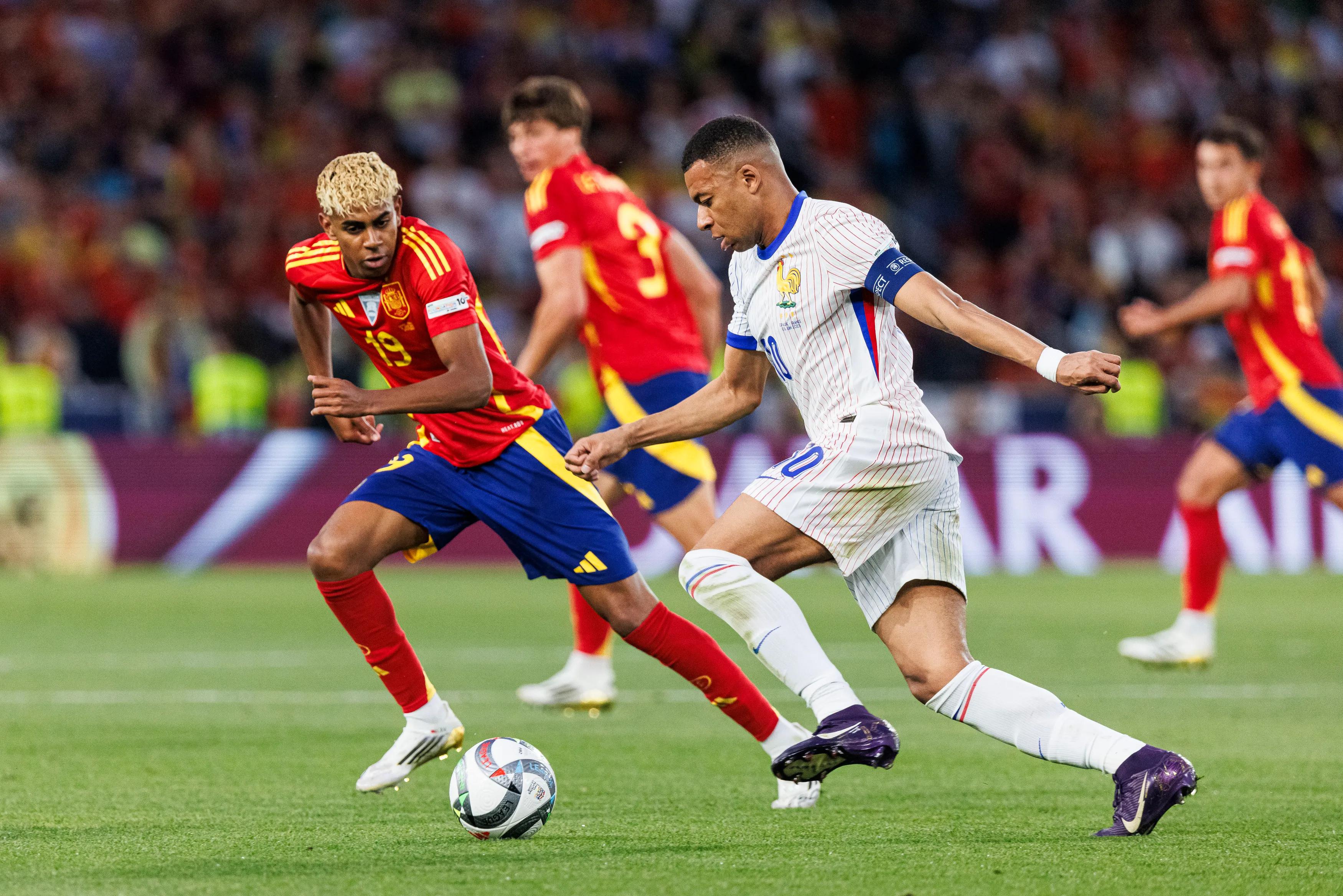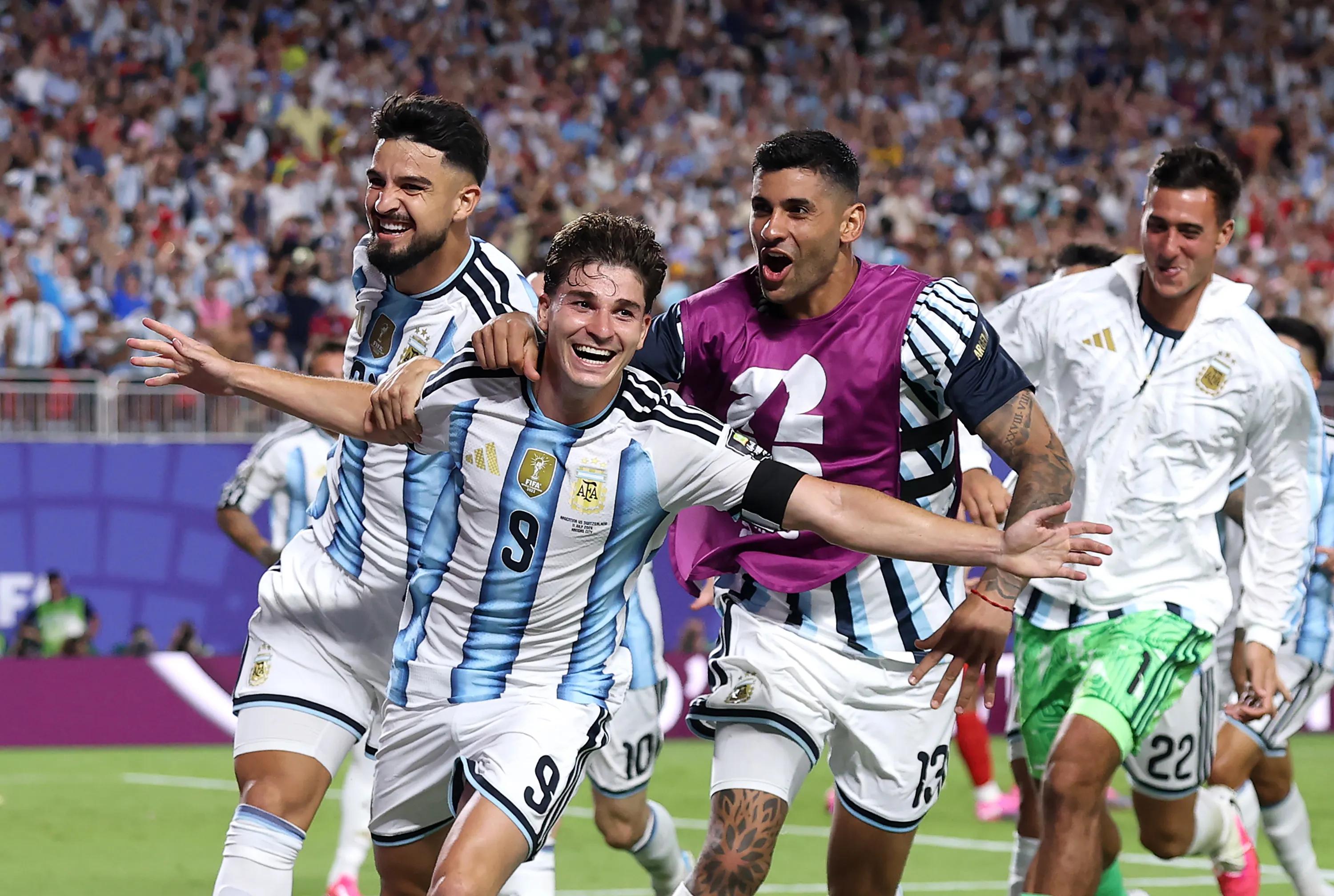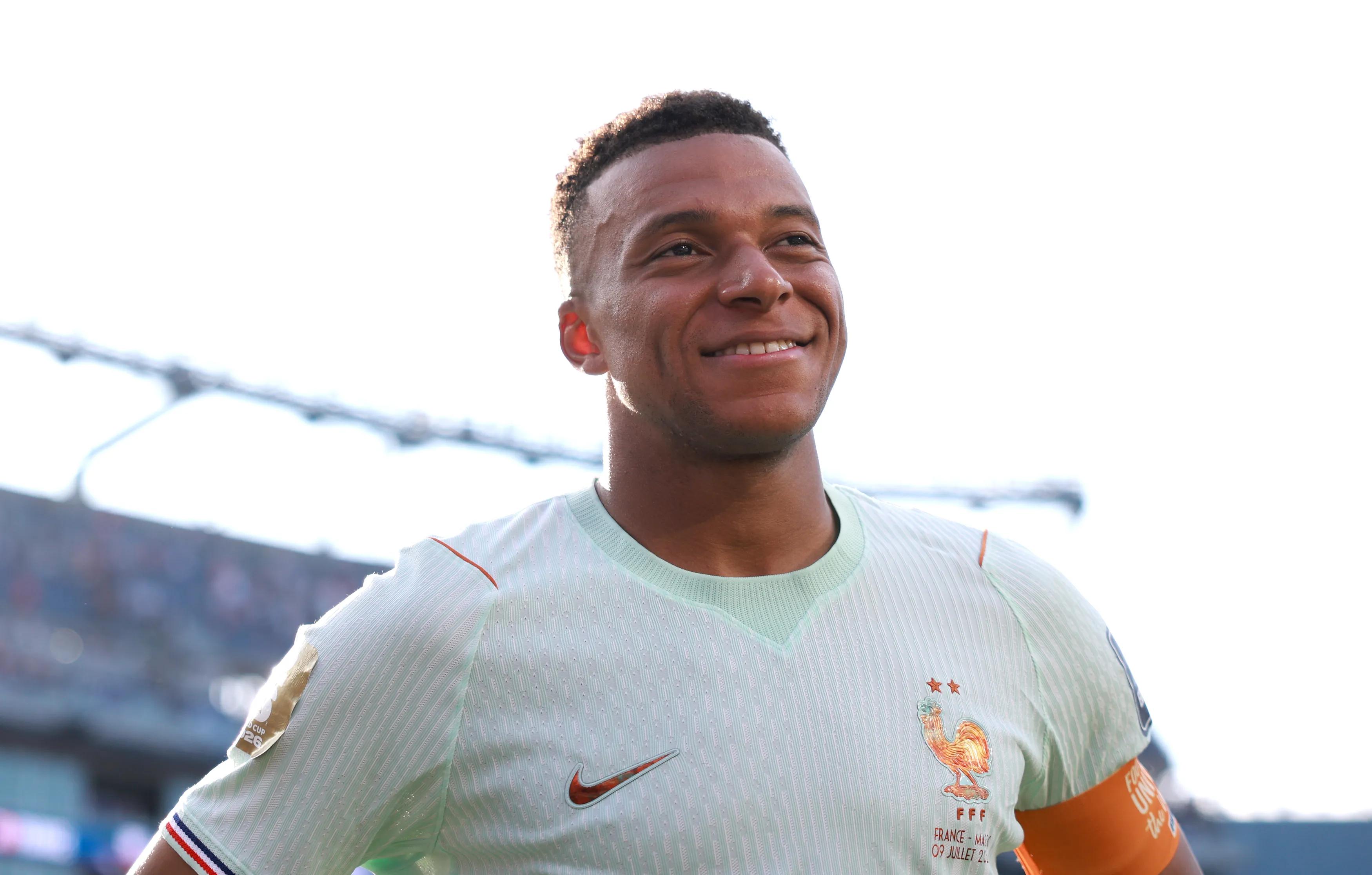
The departure of Senegal from the FIFA World Cup 2026™ serves as a poignant illustration of the gap that separates the world's top four from the rest. As World No.1 Argentina, World No.2 France, World No.3 Spain, and World No.4 England prepare for the semi-finals — the first time since FIFA's ranking system was created in 1992 that the top four have all reached this stage — teams like Senegal are left to reflect on what might have been, and on the relentless standards required to compete at the very highest level.
Senegal's campaign was anything but disgraceful. They emerged from a highly competitive group despite defeats to France and Norway, and were only eliminated in the Round of 32 by Belgium in a dramatic encounter that saw them surrender a two-goal lead in the final five minutes of regulation time. It was a cruel exit, but also a revealing one: at the highest level, the margin between progress and elimination is measured not in talent or effort but in the ability to maintain concentration and composure when the pressure is at its most intense.
This is precisely the quality that has defined the four semi-finalists throughout this tournament. Argentina have repeatedly found ways to win from difficult positions — coming from 2-0 down against Egypt, grinding out extra-time victories against Cabo Verde and Switzerland. France have remained patient in the face of stubborn opposition, breaking through after half-time against both Paraguay and Morocco. Spain have demonstrated an extraordinary capacity for late drama, with Mikel Merino scoring decisive goals off the bench in consecutive knockout matches. England have come from behind in two of their three knockout games.
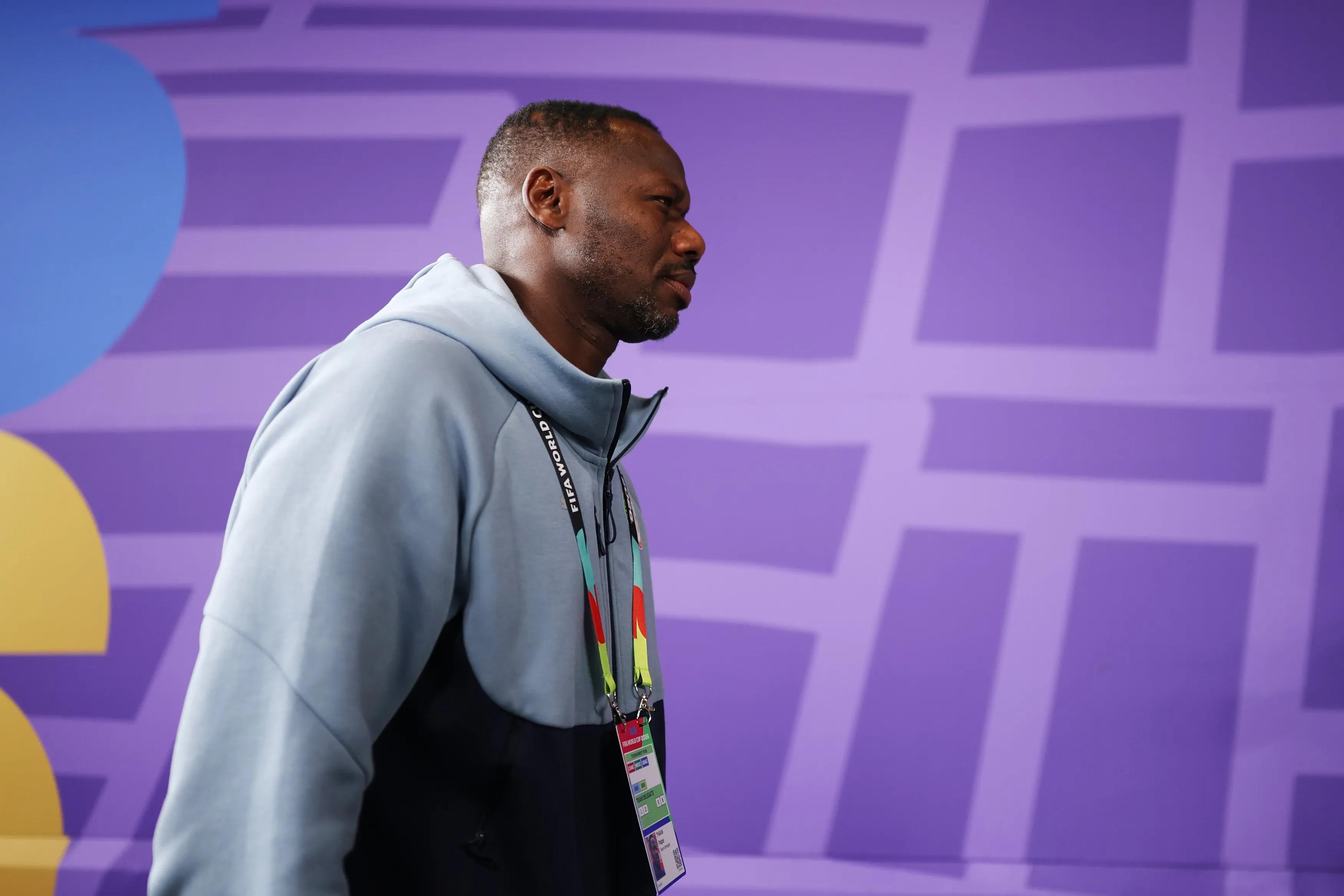
Pape Thiaw's departure as Senegal coach reflects the unforgiving nature of international football at the highest level. His team performed admirably, but the federation's assessment that a change is necessary in the best interests of Senegalese football speaks to the ever-rising standards of the global game. The Top 4 Convergence at this World Cup is not merely a statistical curiosity — it is a reminder that reaching the pinnacle requires not just talent and effort but sustained, institutional excellence across every dimension of the sport.
Senegal will rebuild, and they will return. But the lesson of this World Cup is clear: the throne is occupied by those who have earned it over years, not moments. When the tournament expanded to 48 teams and dark horses emerged frequently, traditional powerhouses told the world in the most hardcore way — the throne never concedes.