The semi-final line-up of the FIFA World Cup 2026™ has delivered a verdict that resonates far beyond the boundaries of any single match: World No.1 Argentina, World No.2 France, World No.3 Spain, and World No.4 England have all reached the final four. It is the first time since FIFA established its ranking system in 1992 that the top four have converged at this stage — a statistical alignment 32 years in the making that transforms abstract numbers into undeniable truth.
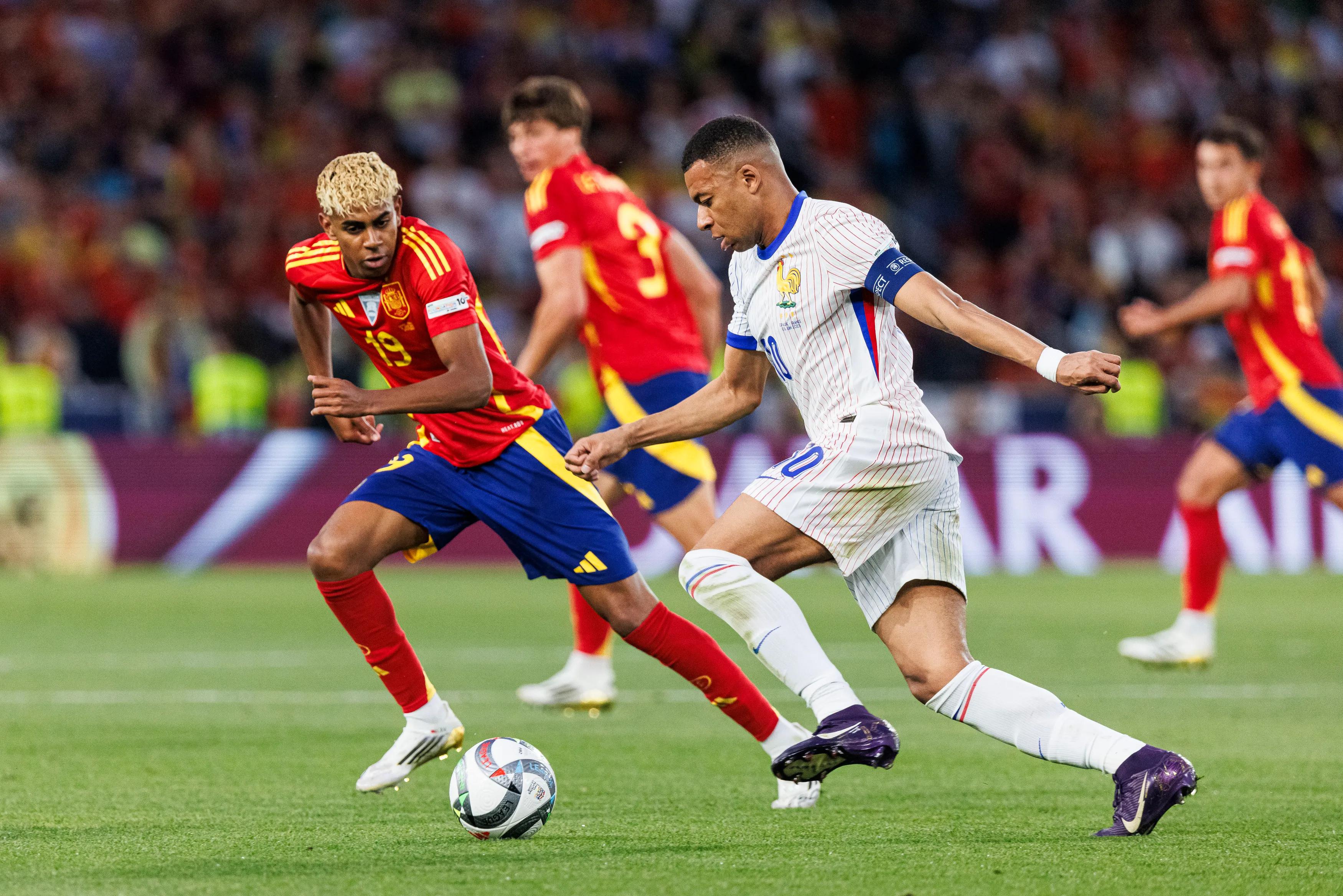
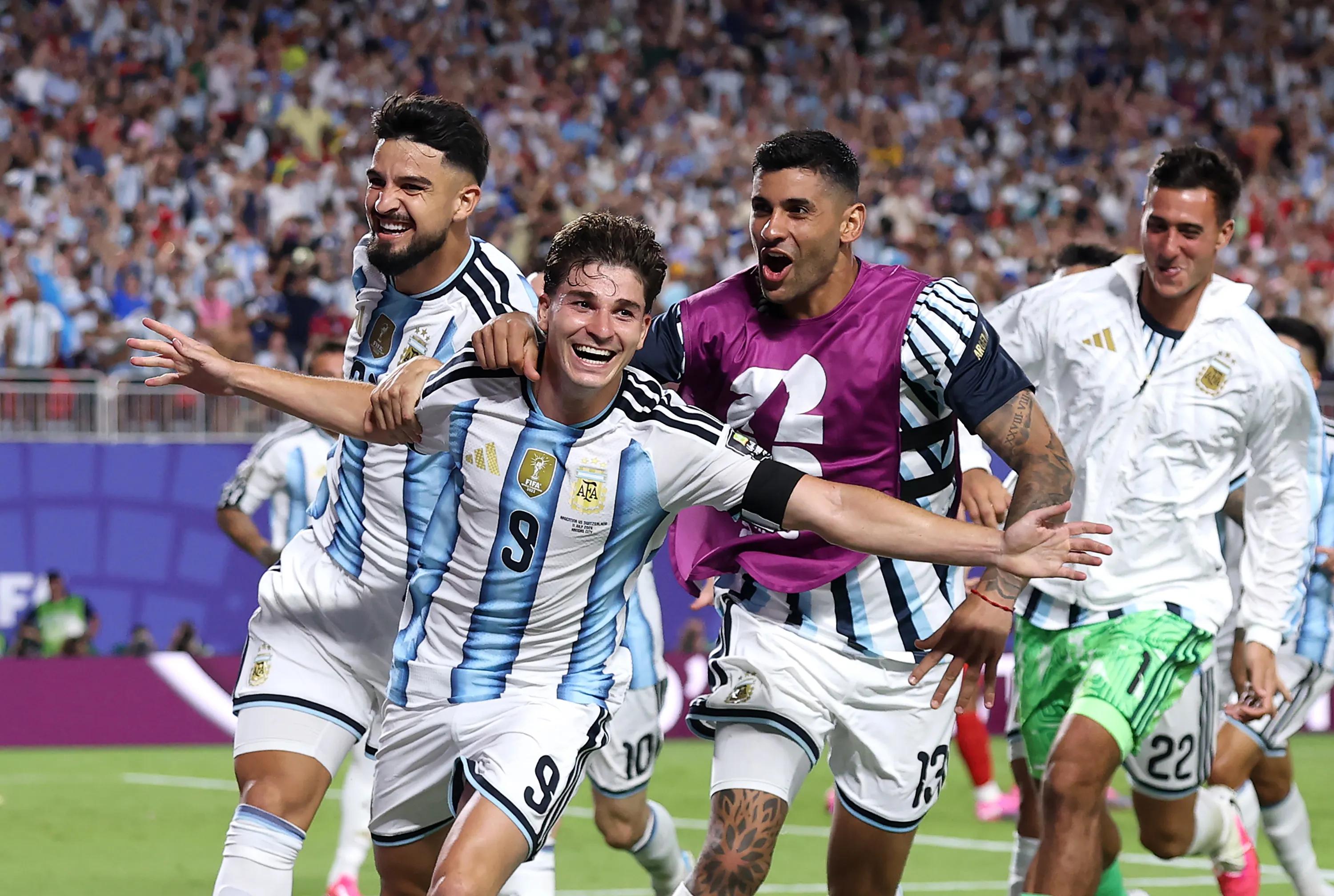
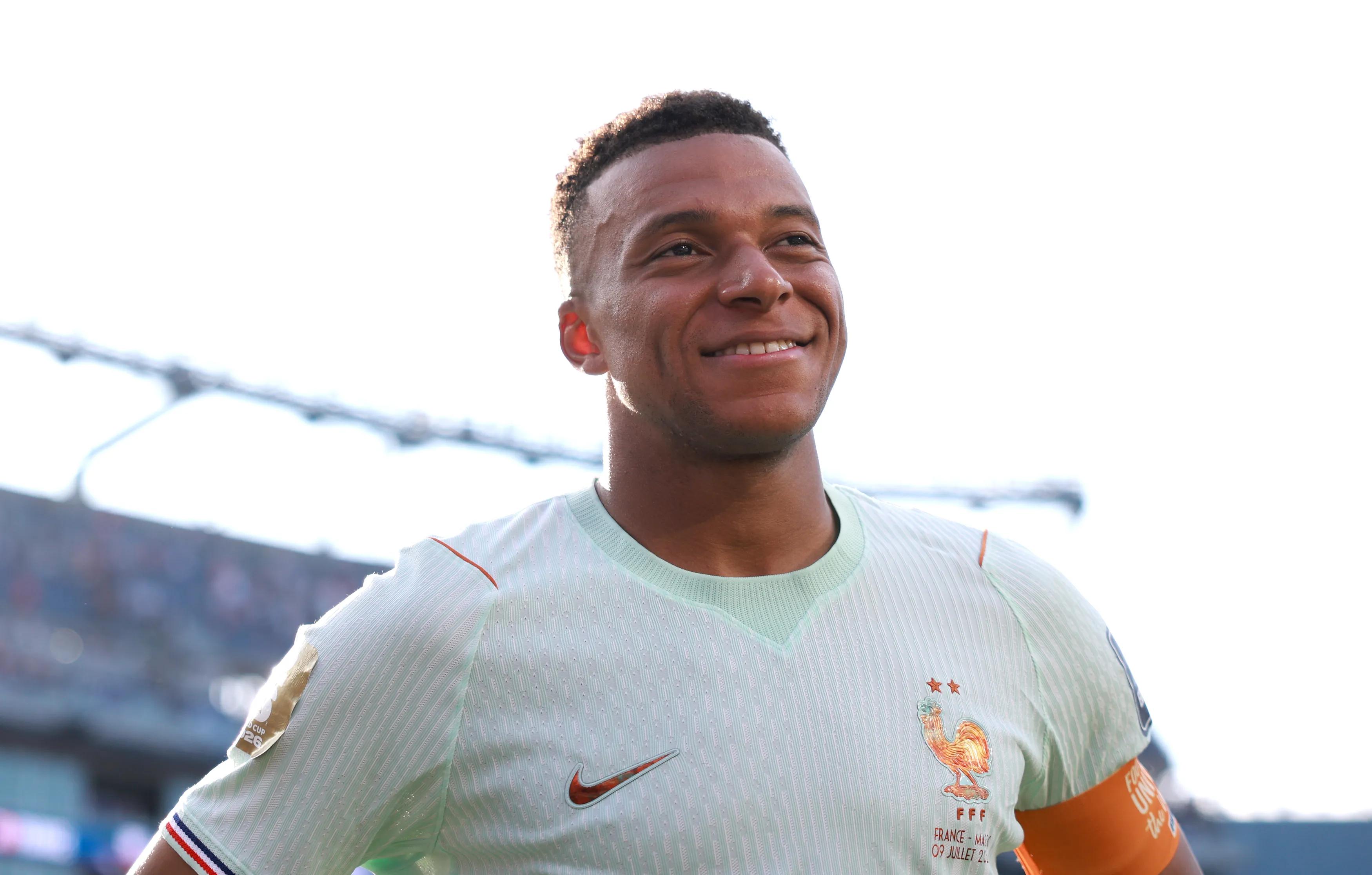
The four possible finals that could emerge from this convergence each carry their own compelling narrative, but they share a common foundation: every potential matchup is between two of the highest-ranked teams in world football. A France-England final would pit team-mates from Real Madrid and Bayern Munich against each other for football's greatest prize. A France-Argentina final would be a replay of the epic Qatar 2022 decider, with Lionel Messi and Kylian Mbappe resuming their rivalry as the tournament's joint-top scorers. A Spain-England final would revisit the EURO 2024 showpiece, while a Spain-Argentina clash would produce the first-ever World Cup final contested by the champions of Europe and the champions of the world.
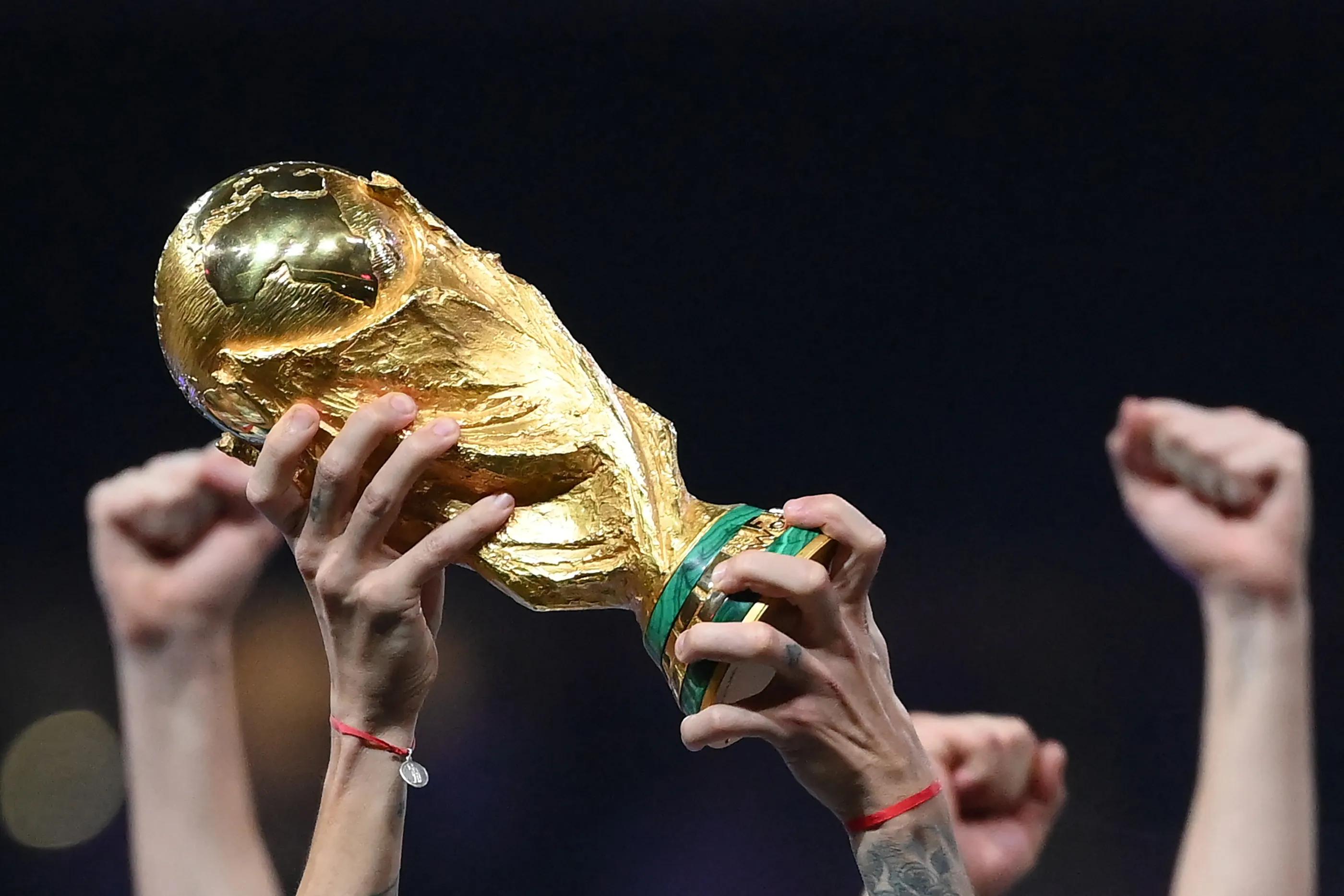
Each scenario is a blockbuster in its own right, and the fact that all four are possible reflects the extraordinary depth of quality within this Top 4 Convergence. There will be no first-time winner at this World Cup. France seek a third title, Argentina a fourth, while England and Spain both aim for a second star. The trophy will remain in the possession of the established order — a fact that is both remarkable and, in the context of this tournament, entirely predictable.
The four potential finals represent the culmination of a tournament in which the best teams have consistently found a way to win. France have scored freely, Spain have defended imperiously, England have shown resilience in adversity, and Argentina have demonstrated an unbreakable will to survive. These are not qualities that emerge by accident; they are the product of sustained investment, intelligent coaching and the kind of institutional excellence that the FIFA rankings are designed to measure.
The final at New York New Jersey Stadium on 19 July will be contested by two of the world's top four — and that, in itself, is a statement of historic significance. When the tournament expanded to 48 teams and dark horses emerged frequently, traditional powerhouses told the world in the most hardcore way — the throne never concedes.