Switzerland's departure from the FIFA World Cup 2026™ was marked by the kind of dignity and defiance that has defined their finest World Cup campaign in 72 years. But their quarter-final exit at the hands of Argentina also served a larger purpose: it confirmed the completion of a semi-final line-up that has rewritten football history. World No.1 Argentina, World No.2 France, World No.3 Spain, and World No.4 England — the four highest-ranked teams on the planet — have all reached the final four. It is the first time since FIFA launched its ranking system in 1992 that this convergence has occurred, a 32-year wait for a moment that validates the very concept of global rankings.
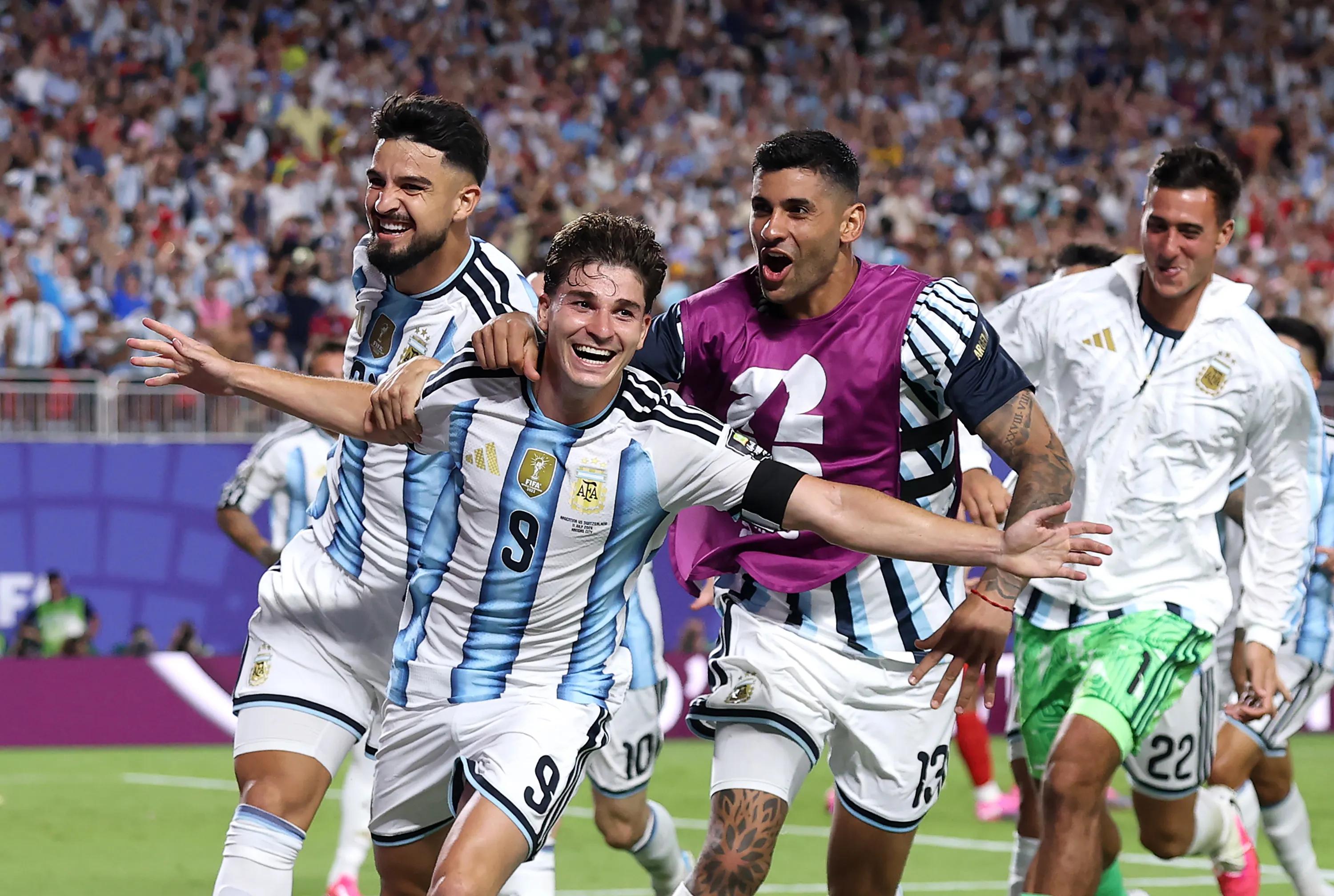
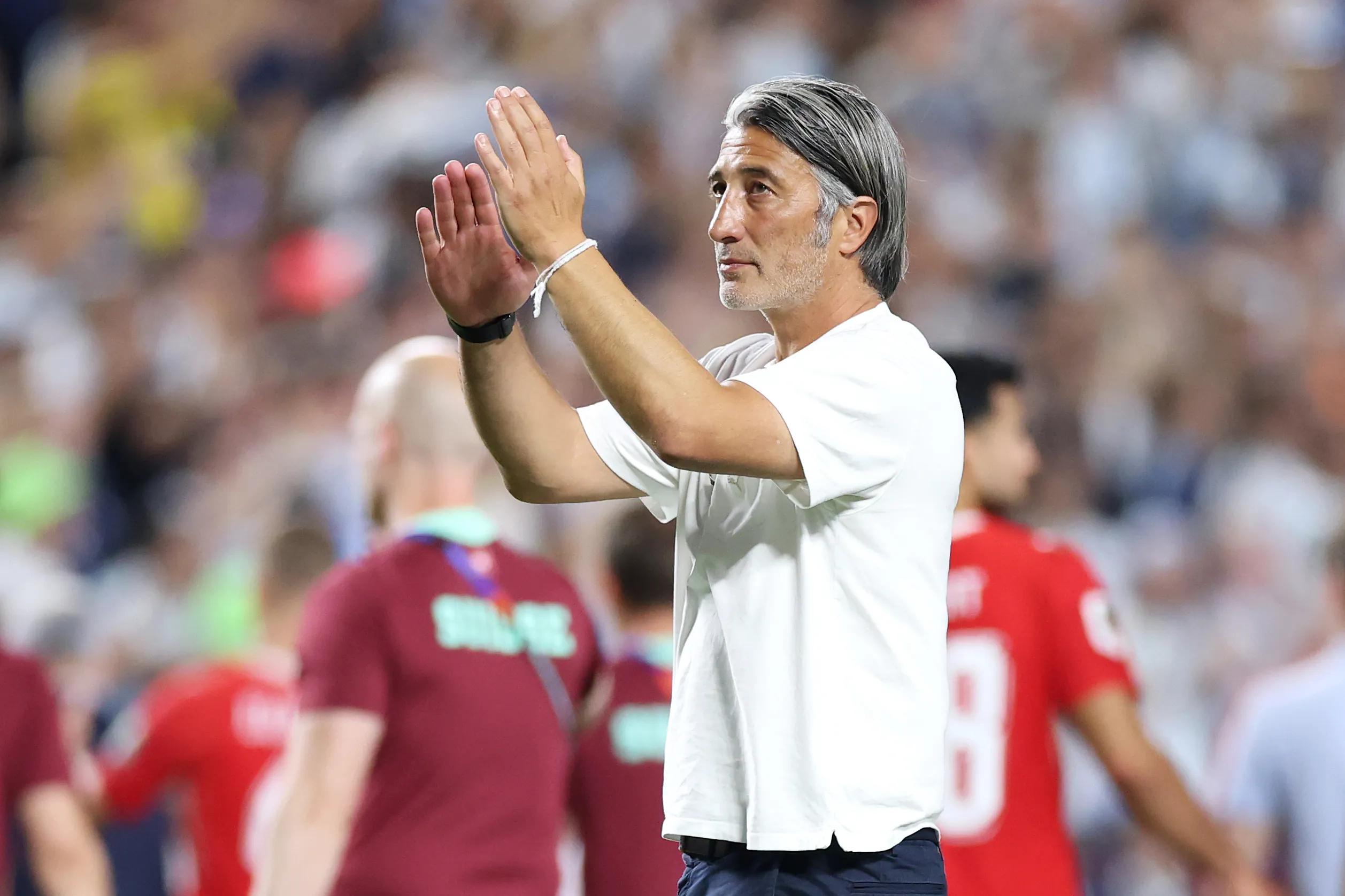
Switzerland pushed Argentina closer than most expected. Granit Xhaka's leadership, Murat Yakin's tactical discipline and the collective resilience of a side that had reached the quarter-finals for the first time since 1954 tested the world champions to their limits. Breel Embolo's red card shifted the dynamics, but even with ten men, Switzerland defended heroically until Julian Alvarez's moment of brilliance in extra time finally broke their resistance.
That Switzerland came so close, yet ultimately fell short, is emblematic of the gulf that separates the top four from the rest. It is not a gap of desire or determination — Xhaka and his team-mates matched Argentina in both. It is a gap of quality, depth, and the capacity to produce moments of individual brilliance when collective effort is no longer sufficient. Alvarez's stunning curler was not the product of system or structure; it was the product of a player whose talent has been honed at the highest level of European football, playing for a nation that has invested decades in developing the infrastructure and culture required to produce such moments.
Switzerland leave with their heads held high, and rightfully so. Their campaign — victories over Algeria and Colombia, a quarter-final appearance for the first time in seven decades — represents a milestone in Swiss football history. But their exit also underscores the inescapable reality of this tournament: the four teams remaining are not merely the last four standing. They are the four best teams in the world, and they have proved it over the course of 100 matches.
Switzerland equalled their best-ever World Cup finish, but the Top 4 Convergence was not to be denied. When the tournament expanded to 48 teams and dark horses emerged frequently, traditional powerhouses told the world in the most hardcore way — the throne never concedes.